In today’s fast-paced business environment, managing employee attendance accurately is more important than ever. Traditional attendance systems like manual registers, punch cards, or spreadsheets are not only time-consuming but also prone to errors and manipulation. This is where a biometric attendance management system comes into play.
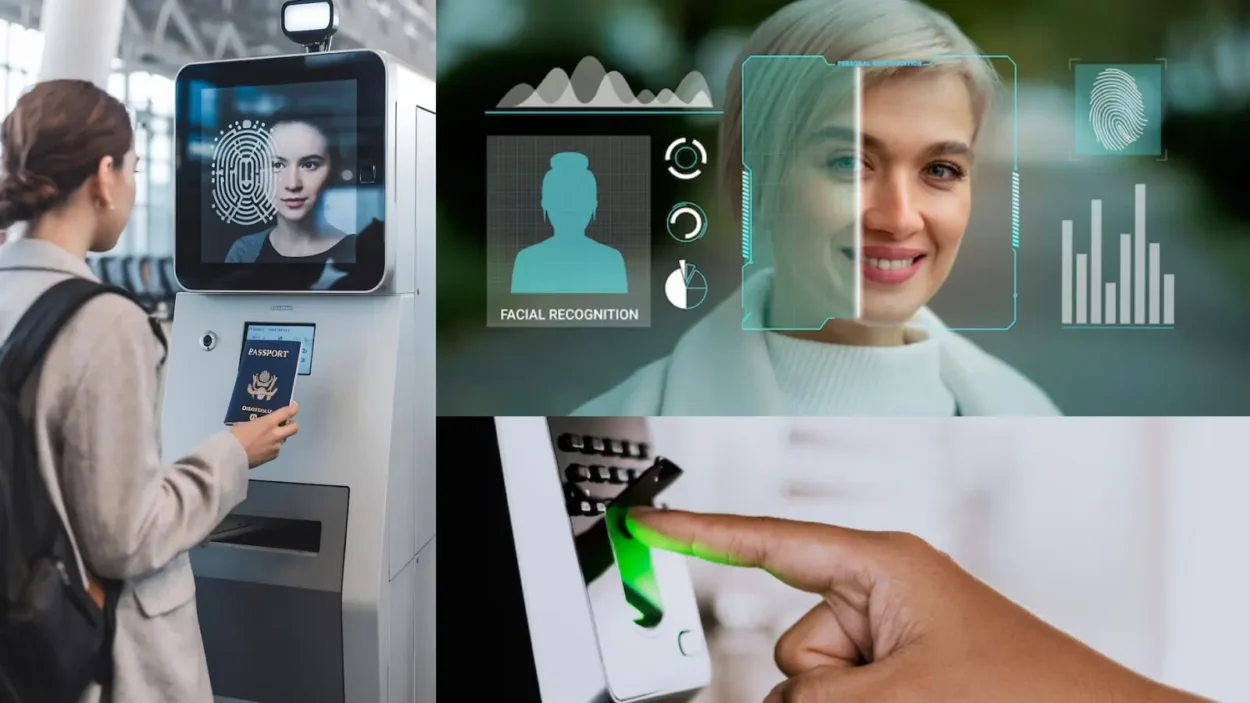
By leveraging unique biological traits such as fingerprints, facial recognition, or iris scans, biometric systems offer a reliable and secure way to track employee attendance. This article explores everything you need to know about biometric attendance systems, including how they work, their benefits, and why businesses are rapidly adopting them.
What is a Biometric Attendance Management System?
A biometric attendance management system is a technology-driven solution that records employee attendance using unique physical characteristics. Unlike traditional methods, biometric systems eliminate the possibility of buddy punching (when one employee clocks in for another) and ensure accurate time tracking.
These systems are commonly integrated with HR software, enabling seamless payroll processing, compliance tracking, and workforce management.
Types of Biometric Attendance Systems
Biometric technology has evolved significantly, offering multiple options based on business needs:
1. Fingerprint Recognition
This is the most widely used biometric method. Employees place their finger on a scanner, and the system matches it with stored data.
Best for: Small to medium-sized businesses due to affordability and ease of use.
2. Facial Recognition
This system uses AI-powered cameras to identify employees based on facial features.
Best for: Contactless environments and organizations focusing on hygiene and convenience.
3. Iris Recognition
Iris scanning uses unique patterns in the eye for identification.
Best for: High-security organizations where precision is critical.
4. Voice Recognition
This system identifies employees based on voice patterns.
Best for: Remote or telephonic attendance scenarios.
How Does a Biometric Attendance System Work?
A biometric system operates in three simple steps:
Step 1: Enrollment
Employees register their biometric data (fingerprint, face, or iris) into the system.
Step 2: Data Storage
The system converts biometric data into encrypted digital templates and stores it securely.
Step 3: Authentication
When employees mark attendance, the system matches their live input with stored data and records the entry.
This process ensures high accuracy and eliminates manual intervention.
Key Features of Biometric Attendance Systems
Modern biometric attendance solutions come packed with powerful features:
- Real-time attendance tracking
- Cloud-based data storage
- Integration with payroll and HR systems
- Automated reporting and analytics
- Mobile accessibility
- Leave and shift management
- Geo-tagging and geo-fencing
These features help organizations streamline operations and improve productivity.
Benefits of Biometric Attendance Management Systems
1. Eliminates Time Fraud
Biometric systems ensure that only the actual employee can mark attendance, completely removing buddy punching and time theft.
2. Improves Accuracy
Manual errors are minimized, resulting in precise attendance records that directly impact payroll accuracy.
3. Saves Time and Effort
Automation reduces the workload on HR teams, allowing them to focus on strategic tasks instead of administrative work.
4. Enhances Security
Biometric data is unique and difficult to replicate, making it a highly secure authentication method.
5. Ensures Compliance
Organizations can maintain accurate records for labor law compliance, audits, and reporting.
6. Seamless Payroll Integration
Attendance data can be directly synced with payroll systems, ensuring timely and error-free salary processing.
7. Supports Remote Workforce
With mobile and cloud integration, employees can mark attendance from remote locations using facial recognition or GPS tracking.
Challenges of Traditional Attendance Systems
Before adopting biometric systems, many organizations struggle with outdated methods such as:
- Manual registers prone to manipulation
- RFID cards that can be shared or lost
- Spreadsheet tracking with high chances of human error
- Lack of real-time visibility
These challenges lead to payroll discrepancies, reduced productivity, and compliance risks.
Why Businesses Are Switching to Biometric Systems
The shift toward digital transformation has accelerated the adoption of biometric attendance systems. Here’s why:
- Growing remote and hybrid work culture
- Need for real-time workforce insights
- Demand for automation in HR processes
- Increased focus on data security and accuracy
Companies are now prioritizing systems that provide transparency, efficiency, and scalability.
Use Cases Across Industries
Biometric attendance systems are versatile and can be used across various industries:
1. Manufacturing
Track shift workers and ensure accurate overtime calculations.
2. Healthcare
Maintain strict attendance logs for compliance and patient safety.
3. IT and Corporate Offices
Manage hybrid work models with remote attendance tracking.
4. Retail
Monitor staff attendance across multiple store locations.
5. Construction
Track on-site labor attendance using mobile biometric systems.
How to Choose the Right Biometric Attendance System
Selecting the right system depends on your business requirements. Consider the following factors:
1. Scalability
Ensure the system can grow with your organization.
2. Integration Capabilities
Choose a solution that integrates seamlessly with your HRMS and payroll software.
3. User Experience
The system should be easy to use for both employees and HR teams.
4. Data Security
Look for systems with strong encryption and compliance with data protection regulations.
5. Cost-effectiveness
Evaluate the total cost, including hardware, software, and maintenance.
Future Trends in Biometric Attendance Systems
Biometric technology continues to evolve, with several trends shaping its future:
- AI-powered facial recognition for higher accuracy
- Touchless systems for improved hygiene
- Cloud-based solutions for remote access
- Integration with advanced HR analytics
- Use of blockchain for secure data storage
These innovations will further enhance efficiency and security in workforce management.
Conclusion
A biometric attendance management system is no longer a luxury but a necessity for modern businesses. It not only improves accuracy and security but also streamlines HR operations and enhances overall productivity.
As organizations continue to embrace digital transformation, adopting a biometric system can give them a competitive edge. Whether you run a small business or a large enterprise, investing in the right attendance solution will help you manage your workforce more effectively and drive long-term growth.

Sign up