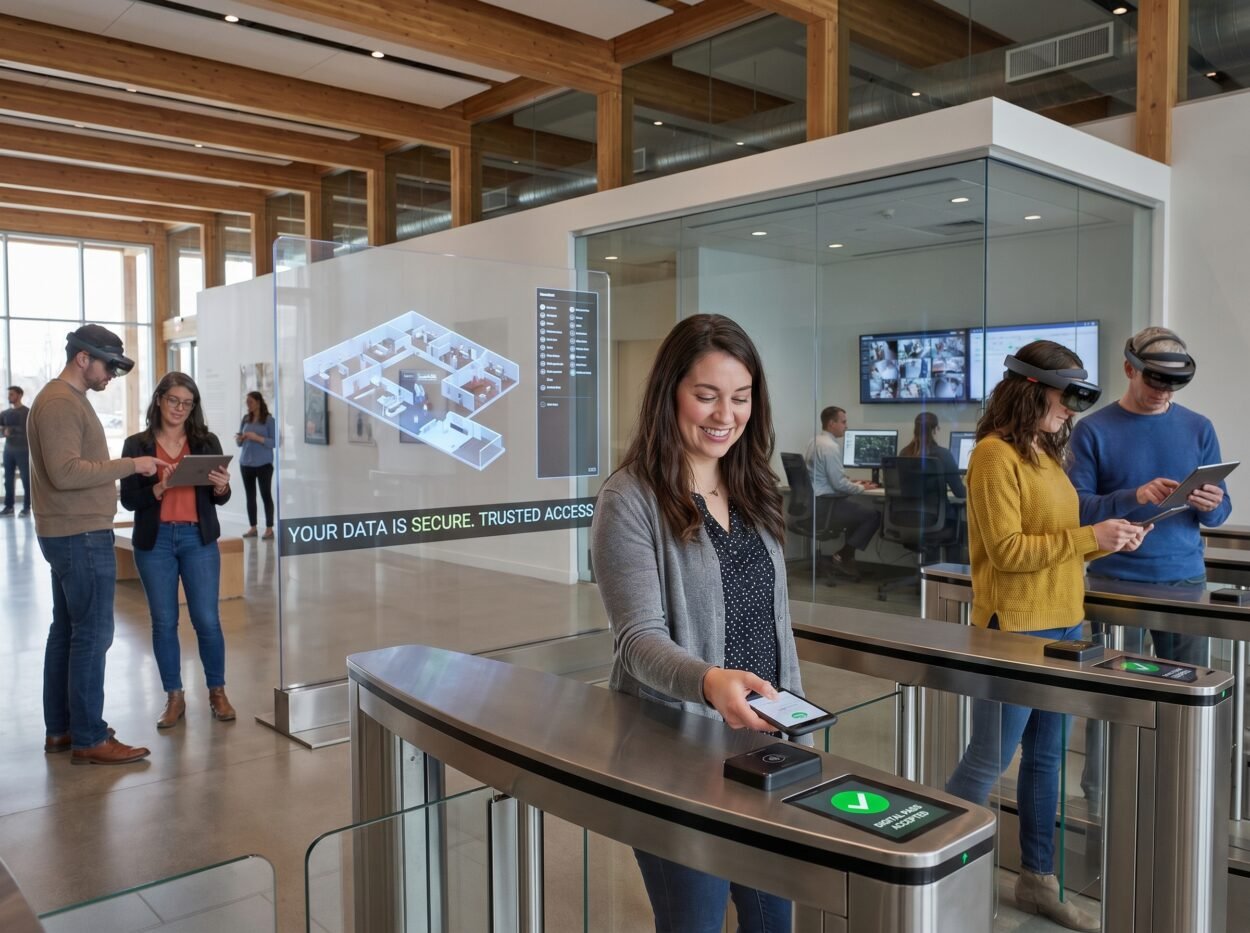
Walk into a well-managed museum today, and everything feels effortless.
You book your ticket online, scan it at the entrance, and step in without delays. No confusion, no long queues, no manual verification. It just works.
What you don’t see is what makes all of this possible: digital trust.
Digital trust is the assurance that systems handling ticketing, payments, and visitor data will work reliably and securely every time. It’s invisible when everything runs smoothly but the moment something fails, it becomes painfully obvious.
The Silent Problem Most Museums Face
Many museums are still operating with fragmented systems. Ticketing might be handled separately from entry validation. Reporting might rely on manual processes. Payments may not sync properly with visitor data.
The result?
- Long queues during peak hours
- Ticket validation errors
- Data mismatches in reports
- Frustrated visitors and overworked staff
These aren’t just minor inconveniences. They directly impact visitor experience and revenue.
Why Digital Trust Matters More Than Ever
Today’s visitors expect the same level of convenience they get from airlines, cinemas, or metro systems. Fast entry, seamless payments, and zero confusion are no longer luxuries, they’re expectations.
Digital trust ensures that every part of the museum journey feels consistent and dependable.
For institutions, it also means:
- Better operational control
- Accurate, real-time reporting
- Reduced dependency on manual processes
- Stronger data security
In short, it transforms how museums function from reactive to efficient.
How Modern Museums Are Fixing This
Forward-thinking museums are moving toward integrated management systems that bring everything under one platform.
Instead of juggling multiple tools, they are adopting solutions that connect:
- Online ticketing
- Entry validation
- POS systems
- Analytics and reporting
This shift creates a single source of truth, reducing errors and improving reliability.
When systems are connected and consistent, trust is no longer a challenge, it becomes a natural outcome.
The Real Impact: What Visitors Actually Experience
Visitors may never think about backend systems, but they immediately notice when things go wrong.
Digital trust improves their experience in simple but powerful ways:
- Faster entry with minimal waiting
- Clear and error-free ticket validation
- Smooth payment processes
- A more organized and professional environment
When everything feels easy, visitors leave with a better impression and are more likely to return.
The Bigger Picture
Across India and globally, museums are undergoing a quiet transformation. As digitization becomes a priority, digital trust is emerging as a core requirement not an optional upgrade.
Institutions that invest in reliable, scalable systems today are setting themselves up for long-term success.
Because in the end, it’s not just about technology, it’s about creating experiences people can trust.
Final Thought
The next time you walk into a museum and everything works perfectly, remember that seamless experience is powered by something you can’t see, but absolutely depend on: digital trust.
If you’re exploring ways to improve museum operations or build reliable digital systems, feel free to connect with us.


Sign up