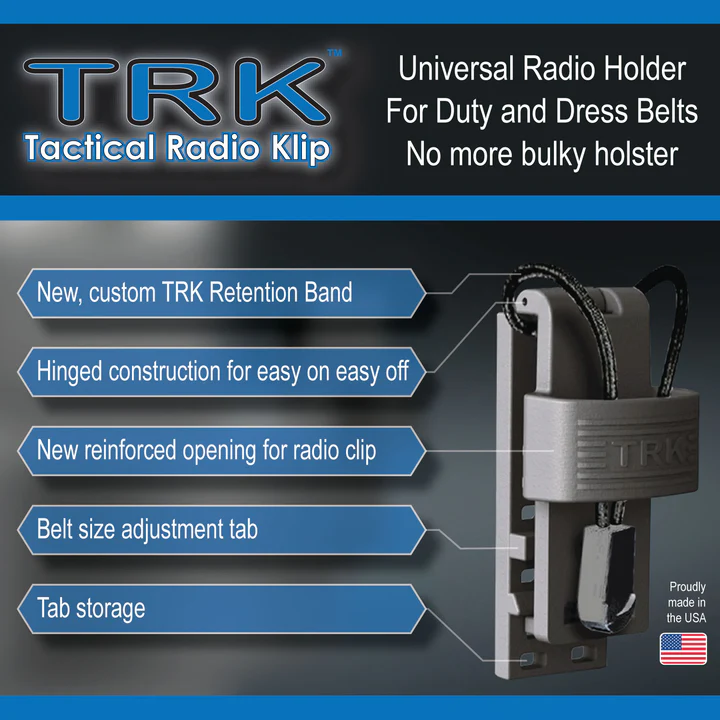
In law enforcement and emergency services, where things can get intense quickly, the radio is often called an officer’s lifeline. It’s the main way to call for backup, coordinate medical help, and stay aware of what’s happening in the area you’re patrolling. While a lot of effort goes into making these radios secure and giving them a good range, the actual hardware that holds them to an officer’s body is just as important.
When you’re chasing someone over a fence or wrestling on the ground, the radio’s attachment point is really put to the test. If a radio falls off during a critical situation, it’s more than just losing equipment—it’s a safety risk. It’s essential for anyone working in the field today to understand how gear is held in place and how mounting hardware has evolved.
How Radio Retention Systems Have Changed
For years, the standard way to carry a portable radio was with a heavy leather holster or a simple plastic clip. These worked okay for walking around, but they often couldn’t keep up with the fast movements needed in modern policing. Load-bearing vests (LBVs) and tactical gear that can be added have changed how we think about ‘duty carry.’
Now, retention systems need to be both secure and easy to use. The hardware has to be strong enough to handle high-impact movements but also easy enough for an officer to remove the radio to change batteries or use it by hand without struggling. Modern engineering has developed composite materials and stronger spring tensions that are much better than the basic clips that come with radios.
Why Secure Radio Placement Matters
Securing a radio properly does more than just keep you from losing expensive equipment. It affects how well the officer performs, both physically and tactically.
- Weight Distribution: A radio that bounces around or hangs down can throw off the weight on your duty belt or vest. Over a 12-hour shift, this can lead to lower back pain and fatigue.
- Consistent Muscle Memory: An officer needs to know exactly where the radio controls are. Good mounting hardware keeps the radio in place, so you can adjust the volume or hit the emergency button without looking.
- Cable Management: For officers using remote speaker microphones (RSMs), a secure radio base is key to keeping the cable neat. If the radio moves around, the cable can get tight, making it hard to move your head or causing it to get caught on something.
Common Problems and Equipment Failures
Many officers use the ‘factory default’ clips that come with their radio. But these are often made for general use, not for the tough conditions of patrol. Officers often run into these specific problems:
1. The ‘Pop-Off’ Effect
Standard plastic clips use a small piece of material to ‘hook’ onto a duty belt. When you twist your body quickly or sit in a patrol car, the pressure on the radio can make the clip bend and pop off the belt.
2. Spring Fatigue
The metal springs in cheaper clips can lose their strength over time. After using it daily for a few months, the clip’s grip can weaken. This causes the radio to slide on the belt or stick out, making the officer’s profile larger and increasing the likelihood that the gear will snag on seatbelts or door frames.
3. Material Brittleness
In areas with big temperature swings, standard plastic mounting parts can get brittle. In cold winters, a hard knock against a car door or curb could shatter the mount, leaving the officer without a way to carry their radio.
Best Practices for Setting Up Tactical Gear
To get the best performance from your communications gear, consider how the radio fits with the rest of your equipment. Experts say that the more moving parts a retention system has, the more likely it is to break.
When picking a tactical radio clip holder, go for a slim design that keeps the radio close to the body. This lessens the ‘lever effect’ that pulls the belt down, thereby preventing it from sagging. Also, look for hardware with strong pivot points or extra locking features for added security in physical altercations.
Expert Tips for Field Use:
The ‘Shake Test’: Regularly test your gear by jumping or pretending to sprint. If the radio moves more than an inch, your retention system needs adjusting.
- Mounting Height: For belt carry, put the radio so the antenna doesn’t poke the officer’s ribs when sitting, but is high enough to reach the push-to-talk button easily.
- Visual Inspection: Look for stress marks on plastic parts. This ‘blushing’ shows the plastic is close to breaking and should be replaced.
Conclusion
A radio is only useful if it stays with the officer. Tactical retention is one of the least emphasized aspects of officer safety, yet its importance cannot be underestimated when performing on the street. The key to doing so lies in avoiding generic, ill-designed clips and opting for mounting systems designed specifically for the job at hand. Investing in durable, high-quality hardware frees the officer’s mind, allowing them to focus on their surroundings rather than their gear. In tactical communications, stability leads to clarity.
Modern mounting hardware aims to create a ‘fail-safe’ connection. Brands like TacticalKlips have focused on these issues, creating hardware that addresses the realities of patrol work, where equipment is pushed to its limits.


Sign up