


5 Questions to Ask Your Eye Surgeon Before Cataract Surgery
Cataract surgery is one of the most commonly performed eye procedures and can help improve blurry or cloudy vision caused by cataracts. Before going ahead with the surgery, it is important to...

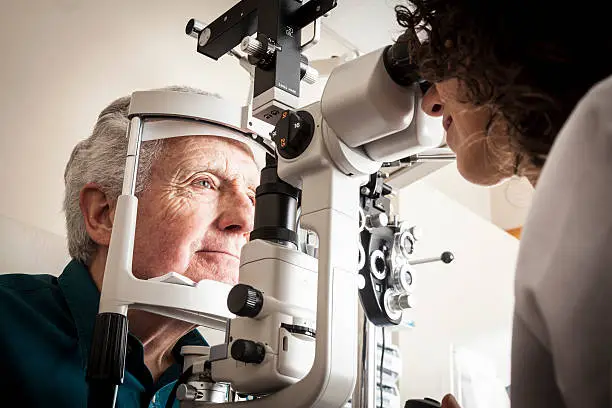
Cataract surgery is one of the most commonly performed eye procedures and can help improve blurry or cloudy vision caused by cataracts. Before going ahead with the surgery, it is important to understand the procedure, recovery process, and expected results. Asking the right questions during your consultation can help you feel more informed and confident.
Table Of Content
Here are five important questions you can ask your eye surgeon before cataract surgery.
1. Am I a Good Candidate for Cataract Surgery?
Not every patient needs surgery right away. In the early stages, cataracts may only mildly affect vision, and simple measures like updated glasses or brighter lighting may be enough for a while. Ask your surgeon to explain how advanced your cataract is and whether surgery is truly necessary at this point in time.
Your overall eye health also matters. Conditions like glaucoma, macular degeneration, or diabetic retinopathy can influence both the timing and the outcome of the surgery. Understanding where you stand helps you make a confident, well-informed decision rather than rushing into the operating room unnecessarily.
2. Is Cataract Surgery Necessary Right Now?
Not all cataracts need immediate surgery. In the early stages, symptoms may be managed with glasses, brighter lighting, or regular eye checkups. Ask your doctor whether your cataract has progressed enough to require surgery or if it can still be monitored for some time.
Your surgeon may recommend surgery if cataracts are affecting daily activities such as reading, driving, watching television, or working on digital screens. Understanding the urgency of the procedure can help you decide the right time for treatment.
3. Which Type of Lens Implant is Best for you?
During cataract surgery, your natural clouded lens is replaced with an artificial intraocular lens (IOL). This is not a one-size-fits-all choice. There are several types of lenses available, and each suits a different lifestyle and visual need.
- Monofocal lenses
- Multifocal lenses
- Toric lenses
The right lens choice can significantly improve your quality of life after surgery.
4. What Happens During the Surgery?
Many patients feel nervous because they are unsure about the procedure itself. Asking your surgeon to explain the surgery step-by-step can reduce anxiety and help you prepare mentally.
Understanding what to expect before, during, and immediately after surgery can make the experience more comfortable.
5. What Are the Risks and Possible Complications?
Although cataract surgery is considered safe and successful in most cases, every surgical procedure carries some risks. It is important to discuss possible complications openly with your eye surgeon.
Some patients may experience temporary irritation, redness, glare, or blurry vision during recovery. Rare complications may include infection, swelling, or increased eye pressure.
Final Thoughts
Cataract surgery can significantly improve vision and quality of life, but having the right information beforehand is important. Asking questions during your consultation allows you to better understand the procedure, lens options, recovery process, and expected outcomes.







No Comment! Be the first one.