


The Lasting Impact of Charitable Donations on Families Facing Medical Challenges
Families with hospitalized children often face more than medical concerns. Long travel distances, temporary housing needs, missed workdays, and emotional stress can quickly create additional...

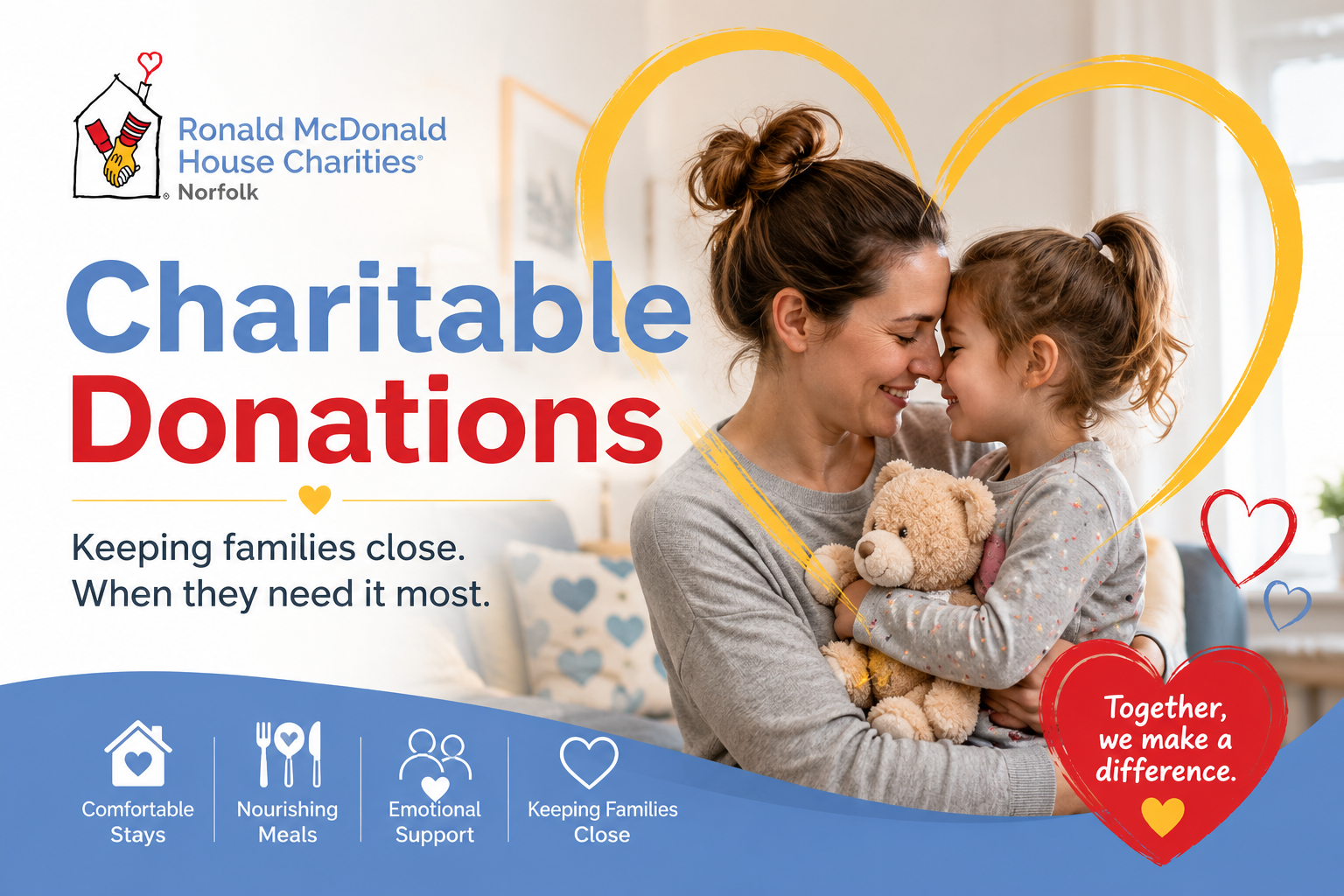
Families with hospitalized children often face more than medical concerns. Long travel distances, temporary housing needs, missed workdays, and emotional stress can quickly create additional challenges during an already difficult time. Across communities, charitable donations continue to play an important role in helping nonprofit organizations provide meaningful support to families navigating pediatric healthcare journeys.
Table Of Content
- Why Charitable Donations Matter Beyond Financial Support
- How Charitable Donations Support Families Directly
- The Growing Need for Community Support
- Housing Near Treatment Centers
- Meal and Nutrition Support
- Emotional and Social Support
- Why Local Nonprofits Depend on Community Giving
- How Small Contributions Create Meaningful Impact
- The Importance of Transparency and Trust
- Supporting Families Through Compassionate Giving
Organizations like RMHC Norfolk work to reduce some of these burdens by offering family-centered services that help parents remain close to their children during treatment. Through community support and charitable giving, nonprofits can provide comfort, stability, and essential resources when families need them most.
Why Charitable Donations Matter Beyond Financial Support
Charitable donations do more than fund programs. They help create safe and supportive environments for families dealing with uncertainty and emotional strain.
When a child requires ongoing medical treatment, parents often travel far from home to access specialized care. Temporary housing, meals, transportation costs, and time away from work can become overwhelming. Community-funded nonprofit programs help address these practical concerns so families can focus on supporting their child.
According to the National Center for Biotechnology Information, family-centered support systems can improve emotional well-being and reduce stress during pediatric healthcare experiences. Nonprofit organizations help fill these gaps by offering resources that healthcare systems alone may not always provide.
How Charitable Donations Support Families Directly
Many people associate charitable donations only with fundraising campaigns. In reality, these contributions often support daily operational services that directly impact families.
Common areas supported by charitable donations include:
- Temporary accommodations near hospitals
- Family meal programs
- Emotional support services
- Community volunteer initiatives
- Comfortable spaces for rest and recovery
- Family resource programs
- Child-friendly activities during treatment periods
These services help families maintain a sense of normalcy during difficult medical situations.
For example, organizations supporting pediatric healthcare families often provide communal kitchens, private sleeping areas, laundry facilities, and emotional support spaces. While these resources may seem simple, they can significantly reduce stress for caregivers managing long hospital stays.
The Growing Need for Community Support
Healthcare-related financial pressure continues to affect families nationwide. Research from the American Academy of Pediatrics highlights how prolonged medical treatment can create emotional and financial strain for caregivers, particularly when travel and temporary relocation are involved.
As healthcare costs and travel expenses increase, nonprofit organizations increasingly rely on charitable donations to maintain and expand family support programs.
Community involvement helps ensure organizations can continue providing:
Housing Near Treatment Centers
Families traveling for specialized pediatric care often need affordable temporary accommodations close to hospitals. Supportive housing programs reduce travel stress and allow parents to remain involved in their child’s treatment journey.
Meal and Nutrition Support
Access to meals may become difficult during long hospital visits. Community-funded meal services help reduce both costs and stress for caregivers focused on their child’s recovery.
Emotional and Social Support
Parents and siblings also experience emotional challenges during extended healthcare situations. Many nonprofit organizations create welcoming spaces where families can connect, rest, and receive encouragement.
Why Local Nonprofits Depend on Community Giving
Local charitable organizations frequently serve families within their own communities. Unlike large national campaigns, regional nonprofits often rely heavily on local donors, volunteers, and business partnerships to continue daily operations.
Supporting community-based organizations allows donations to directly benefit nearby families facing medical hardships.
At RMHC Norfolk, charitable donations help provide services that keep families together during pediatric medical treatment. Community support contributes to temporary housing, family-focused resources, and comforting spaces designed to reduce stress during hospital stays.
Local charitable giving also strengthens broader community connections by encouraging volunteerism, awareness, and collective support for families in need.
How Small Contributions Create Meaningful Impact
One common misconception about charitable donations is that only large gifts create meaningful change. In reality, recurring small donations often provide consistent operational support that helps nonprofits plan long-term services effectively.
Examples of everyday impact may include:
- Providing meals for visiting families
- Supporting overnight accommodations
- Funding utility and maintenance costs
- Supplying household essentials
- Supporting family activity programs
Monthly community giving programs often help nonprofits maintain reliable services throughout the year.
In addition to financial donations, volunteer support and in-kind contributions also play important roles in nonprofit sustainability.
The Importance of Transparency and Trust
Today’s donors often want to understand how their contributions are being used. Nonprofit organizations that communicate their mission clearly and share measurable outcomes tend to build stronger community trust.
Transparency may include:
- Annual impact reports
- Program updates
- Volunteer opportunities
- Community partnerships
- Family success stories
- Clear operational goals
Trust helps strengthen long-term donor relationships while encouraging continued community involvement.
Supporting Families Through Compassionate Giving
Charitable donations continue to support organizations that provide comfort, stability, and practical assistance to families facing pediatric medical challenges. Whether through housing support, meals, or emotional care programs, community giving helps reduce some of the stress families experience during difficult healthcare journeys.
Nonprofits like RMHC Norfolk demonstrate how local charitable support can positively impact families when they need it most. By supporting organizations focused on family-centered care, communities can help ensure parents and children remain together during critical moments.





No Comment! Be the first one.