


Panic at the Drive: Navigating Data Recovery in Mumbai
In the relentless pulse of Mumbai, where every second counts from the local train commute to the boardroom, a sudden hard drive failure feels like a personal catastrophe. One moment you are...

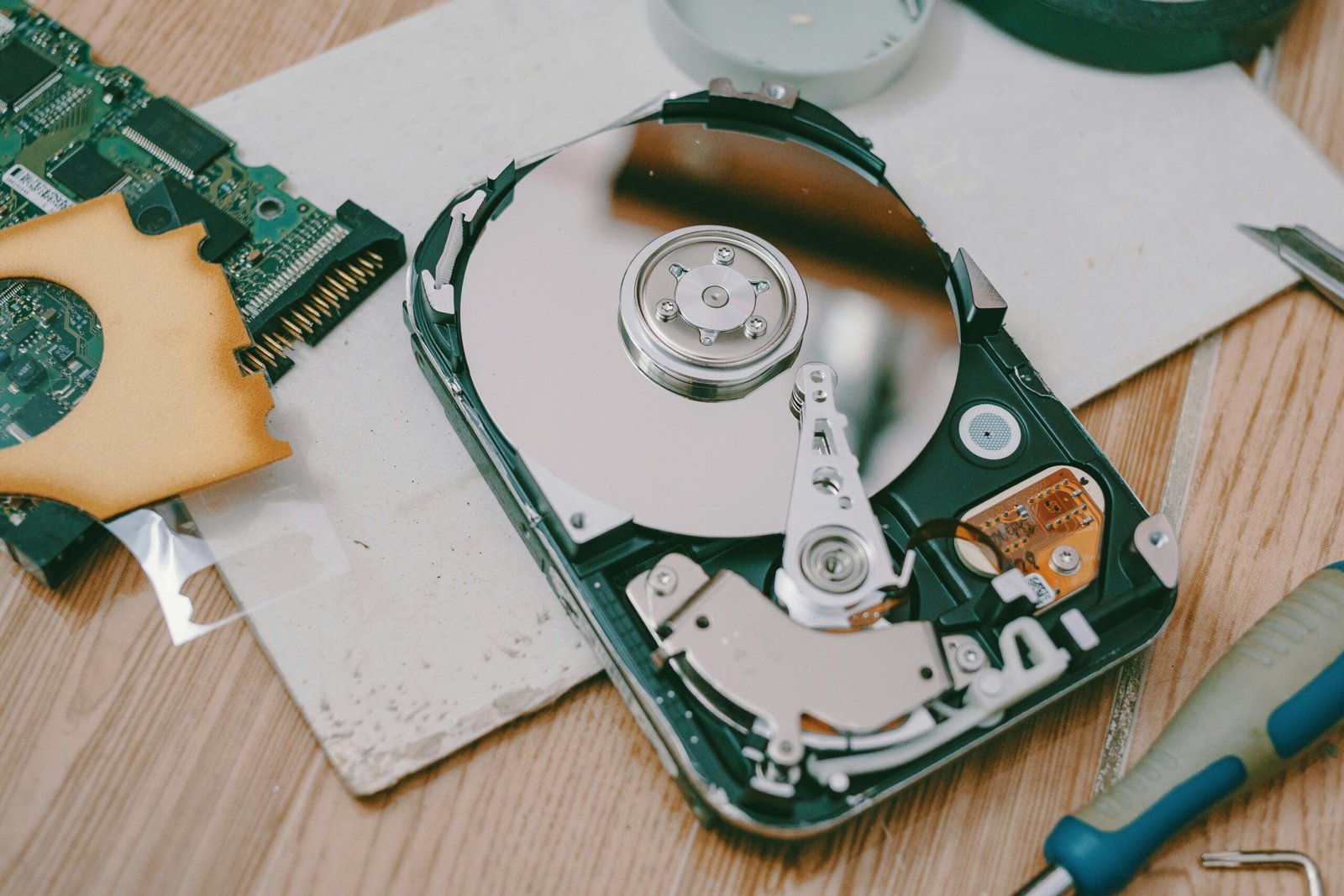
In the relentless pulse of Mumbai, where every second counts from the local train commute to the boardroom, a sudden hard drive failure feels like a personal catastrophe. One moment you are finalizing a crucial pitch for a client in BKC; the next, you are staring at a “No Bootable Device” error.
Table Of Content
For many Mumbaikars, data is not just bits and bytes – it is years of family memories, critical business ledgers, or months of creative work. When the “Blue Screen of Death” hits, the first instinct is panic. However, in a city that serves as India’s financial and tech hub, help is closer than you think.
This guide breaks down the reality of data recovery in Mumbai, helping you move from a state of crisis to a successful restoration.
Why Mumbai is “Hard” on Your Hardware
Mumbai’s unique environment presents specific challenges for electronics. Unlike drier climates, our city’s coastal nature affects how hardware ages.
- The Humidity Factor: High moisture levels can lead to subtle corrosion on the delicate internal components of hard drives (HDDs) and SSDs.
- Power Fluctuations: Despite improvements, sudden power surges or “brownouts” during the monsoon season can fry sensitive circuit boards.
- Heat Stress: Without adequate ventilation, the tropical heat can cause mechanical parts in older drives to expand and “crash” against the disk platters.
Understanding these factors is the first step in realizing that data loss is often a physical issue, not just a software glitch.
The Golden Rule: Stop Everything
The moment you realize files are missing or a drive is making a clicking sound, stop using the device immediately.
Many people try to run “free” recovery software they found online. While well-intentioned, this can be the final nail in the coffin. If your hard drive has a mechanical fault, every second it remains powered on increases the risk of the “read head” scratching the disk and making the data permanently unrecoverable.
Expert Tip: If you hear a clicking, grinding, or whirring noise, shut down the system. Do not “restart and see if it works.” It rarely does.
Choosing the Right Expert in the City
Mumbai is home to legendary tech hubs like Lamington Road and high-end labs in Andheri and Bandra. But not all “repair shops” are “recovery labs.”
What to Look for in a Mumbai Lab:
- Class 100 Clean Room: Physical hard drive repairs must happen in a dust-free environment. Opening a drive in a standard room will allow microscopic dust to settle on the platters, destroying data instantly.
- “No Data, No Charge” Policy: Reputable firms in Mumbai usually offer a free evaluation and only charge a fee if they successfully retrieve the specific files you need.
- Physical Location: Avoid “courier-only” services that don’t have a verifiable lab address in the city. Being able to walk into a center in Andheri or Grant Road provides peace of mind.
SSD vs. HDD: The Modern Recovery Landscape
In 2026, most of us have switched to Solid State Drives (SSDs) for speed. While they have no moving parts, they are not invincible. SSD recovery is significantly more complex than HDD recovery because of how data is “mapped” across chips.
Leading data recovery Mumbai centers now use advanced AI-driven algorithms to reconstruct these maps. Whether it is a water-damaged MacBook or a corrupted NVMe drive from a high-end gaming PC, specialized tools are now capable of bypasses that were impossible just a few years ago.
Prevention: The 3-2-1 Strategy
The best way to handle data recovery is to never need it. We recommend the classic 3-2-1 rule tailored for the Mumbai lifestyle:
- 3 Copies: Have three versions of your data.
- 2 Different Media: Store them on different devices (e.g., an external HDD and your laptop).
- 1 Offsite: Keep one copy in the cloud (like Google Drive or OneDrive). This protects you even if your physical hardware is lost to local issues like flooding or theft.
Final Thoughts
Losing data feels like losing a piece of your professional or personal history, but in Mumbai, the success rates for professional recovery are higher than ever. By staying calm, powering down the device, and seeking out a certified lab with a clean room, you give your data the best possible chance of survival.
Remember, your data isn’t truly gone until the platters are physically destroyed. Until then, there is always hope.






No Comment! Be the first one.