


Hair Transplant Before and After: Comparing Hairline, Crown, and Full Scalp Restoration Results
Hair transplantation has become one of the most effective and advanced solutions for treating hair loss. Modern procedures can restore natural hairlines, improve crown density, and even provide full...

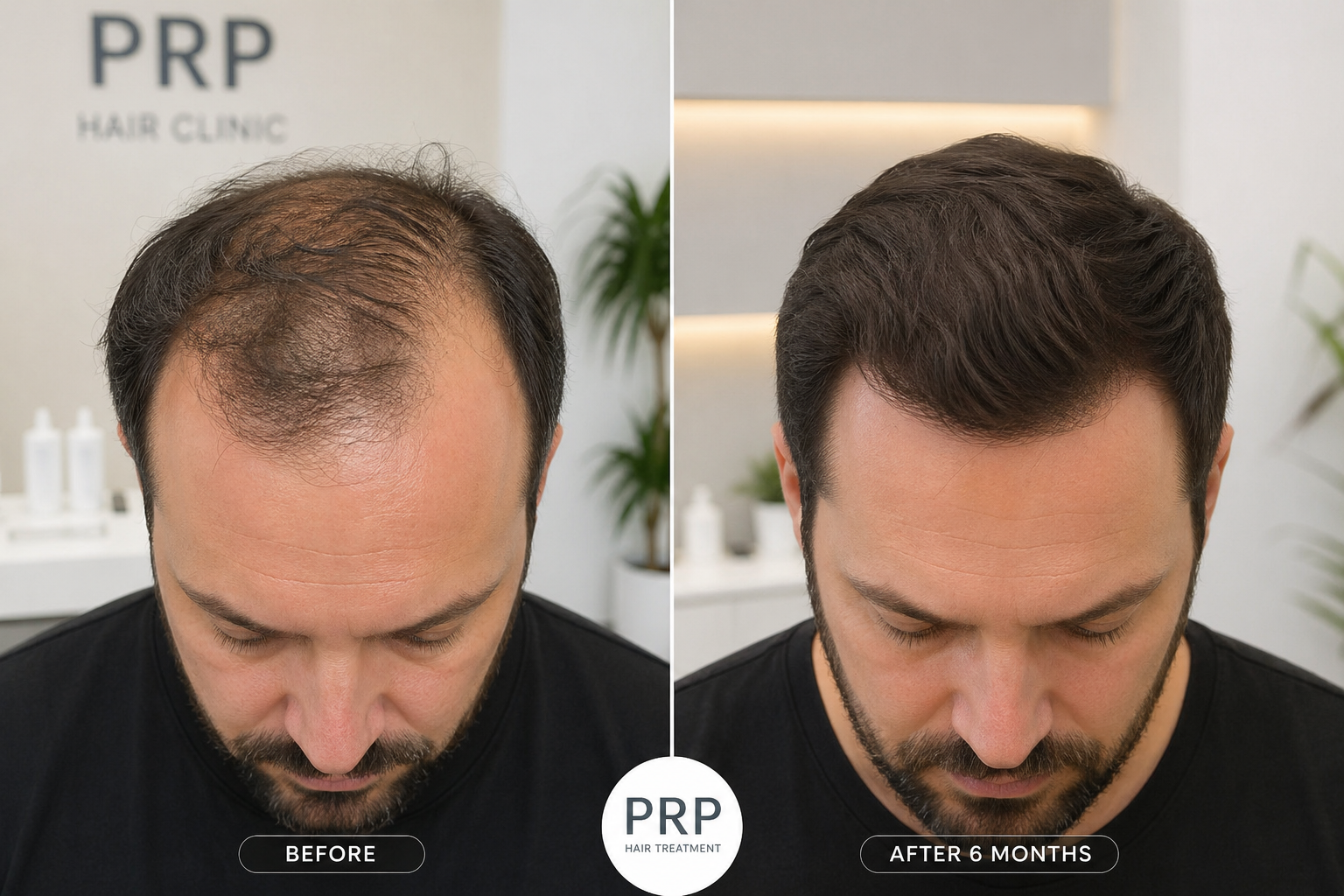
Hair transplantation has become one of the most effective and advanced solutions for treating hair loss. Modern procedures can restore natural hairlines, improve crown density, and even provide full scalp coverage for patients with extensive baldness. However, the final outcome of a transplant depends heavily on the treatment area, the number of grafts used, and the overall hair restoration strategy.
Table Of Content
- Understanding Hair Transplant Procedures
- Common Hair Transplant Techniques
- Hairline Restoration Results
- Goals of Hairline Restoration
- Typical Graft Count
- Before and After Results
- Recovery Timeline
- Crown Hair Transplant Results
- Challenges of Crown Restoration
- Typical Graft Count
- Before and After Results
- Crown Recovery Timeline
- Full Scalp Restoration Results
- Goals of Full Scalp Restoration
- Typical Graft Count
- Before and After Results
- Recovery Timeline
- How Graft Count Affects Results
- Higher Graft Counts Can Provide
- Factors That Influence Graft Requirements
- Comparing Hairline, Crown, and Full Scalp Results
- Importance of Personalized Treatment Plans
- Conclusion
When reviewing Hair Transplant Before and After results, patients often notice that hairline restoration, crown transplants, and full scalp procedures produce different timelines and visual transformations. Each area of the scalp requires a customized approach to achieve natural-looking density and long-lasting results.
In this article, we will compare different types of hair transplant procedures and explain how results vary depending on the treatment area and graft count.
Understanding Hair Transplant Procedures
Hair transplantation involves moving healthy hair follicles from the donor area, usually the back or sides of the scalp, to thinning or bald areas.
Common Hair Transplant Techniques
- FUE (Follicular Unit Extraction)
- FUT (Follicular Unit Transplantation)
Modern procedures focus on:
- Natural hairline design
- Proper graft placement
- Balanced density
- Long-term hair growth
The success of Hair Transplant Before and After transformations depends on several factors, including scalp condition, donor hair quality, surgeon expertise, and the size of the treatment area.
Hairline Restoration Results
Hairline restoration is one of the most popular hair transplant procedures because the frontal hairline has a major impact on facial appearance.
Goals of Hairline Restoration
- Rebuild receding temples
- Create a youthful appearance
- Frame the face naturally
- Improve frontal density
Hairline procedures usually require fewer grafts than full scalp restoration because they focus mainly on the front section of the scalp.
Typical Graft Count
- Mild recession: 1,000–1,500 grafts
- Moderate recession: 1,500–2,500 grafts
Before and After Results
Patients often experience dramatic visual improvement after hairline restoration because even a small increase in frontal density can significantly change facial appearance.
Modern surgeons carefully create irregular and natural hairline patterns to avoid an artificial look. The final Hair Transplant Before and After result usually appears softer, fuller, and more age-appropriate.
Recovery Timeline
- Initial shedding: 2–4 weeks
- Early growth: 4–5 months
- Final results: 10–12 months
Hairline procedures generally show results faster than crown transplants because the frontal scalp has a stronger blood supply.
Crown Hair Transplant Results
The crown area, also called the vertex, is one of the most challenging regions to restore because of its circular growth pattern and large surface area.
Challenges of Crown Restoration
- Requires high graft density
- Hair grows in multiple directions
- Larger bald areas often need more grafts
Unlike hairline restoration, crown procedures usually focus on creating the illusion of fullness rather than extremely dense packing.
Typical Graft Count
- Small crown thinning: 1,500–2,000 grafts
- Large crown baldness: 2,500–4,000 grafts
Before and After Results
Crown transplants can produce impressive improvements, but patients should understand that results may take longer to develop.
Because crown hair naturally swirls and reflects light differently, complete density often requires patience.
Crown Recovery Timeline
- Shedding phase: 1 month
- Visible growth: 5–6 months
- Full crown density: 12–15 months
Many Hair Transplant Before and After crown transformations show gradual improvement over time, with the final result appearing later than frontal procedures.
Full Scalp Restoration Results
Full scalp restoration is designed for patients with advanced hair loss affecting the front, mid-scalp, and crown simultaneously.
Goals of Full Scalp Restoration
- Achieve balanced overall coverage
- Restore hairline and crown together
- Improve density across the scalp
This type of procedure is more complex and often requires a large number of grafts.
Typical Graft Count
- Moderate hair loss: 3,500–4,500 grafts
- Severe baldness: 5,000+ grafts
Some patients may require multiple sessions to achieve optimal coverage.
Before and After Results
Full scalp restoration can completely transform a patient’s appearance. Bald or severely thinning scalps often become significantly fuller and more youthful-looking after recovery.
However, surgeons must carefully manage donor hair to maintain natural density without overharvesting.
Recovery Timeline
- Initial healing: 1–2 weeks
- Shedding stage: First month
- Noticeable growth: 5–7 months
- Final results: 12–15 months
Large-scale Hair Transplant Before and After transformations often create dramatic confidence improvements because they address multiple areas simultaneously.
How Graft Count Affects Results
The number of grafts used plays a major role in determining the final appearance of a transplant.
Higher Graft Counts Can Provide
- Greater density
- Better scalp coverage
- Fuller appearance
However, more grafts do not always guarantee better results. Proper placement and natural distribution are equally important.
Factors That Influence Graft Requirements
- Extent of hair loss
- Hair thickness
- Donor area quality
- Hair color and texture
- Desired density
An experienced surgeon carefully plans graft allocation to maximize the overall Hair Transplant Before and After outcome.
Comparing Hairline, Crown, and Full Scalp Results
| Treatment Area | Typical Grafts | Result Speed | Density Appearance |
|---|---|---|---|
| Hairline | 1,000–2,500 | Faster | High visual impact |
| Crown | 1,500–4,000 | Slower | Gradual fullness |
| Full Scalp | 3,500–5,000+ | Moderate | Overall transformation |
Each treatment type offers different advantages depending on the patient’s hair loss pattern and goals.
Importance of Personalized Treatment Plans
No two hair transplant procedures are identical. Successful outcomes require customized planning based on:
- Facial structure
- Hair characteristics
- Donor availability
- Long-term hair loss progression
Modern clinics create individualized strategies to achieve natural-looking Hair Transplant Before and After results while preserving donor hair for the future.
Conclusion
Hair transplantation can successfully restore hairlines, improve crown density, and provide full scalp coverage depending on the patient’s needs. However, results vary based on the treatment area, graft count, scalp condition, and surgical technique.
When comparing Hair Transplant Before and After transformations, hairline restoration often delivers the fastest visual improvement, while crown and full scalp procedures may require more grafts and longer recovery periods.
By choosing an experienced surgeon and following a personalized treatment plan, patients can achieve natural, balanced, and long-lasting hair restoration results that improve both appearance and confidence.





No Comment! Be the first one.