Vasectomy and Long-Term Pregnancy Risk After Confirmed Sterility
Vasectomy is widely recognized as one of the most reliable forms of permanent male contraception. After the procedure, men undergo semen analysis to confirm sterility, meaning no sperm are detected in the ejaculate. Once confirmed, couples typically rely on vasectomy as their primary birth control method. However, an important clinical question remains: What is the long-term pregnancy risk after confirmed sterility?
Understanding the data behind vasectomy effectiveness helps patients make informed decisions and reassures them about long-term outcomes. Research spanning decades shows that vasectomy maintains an extremely low failure rate, even many years after sterility is verified. This article explores the science, statistics, and risk factors associated with long-term pregnancy risk following confirmed sterility.
Understanding Confirmed Sterility After Vasectomy
Confirmed sterility is not immediate after a vasectomy. Sperm can remain in the reproductive tract for weeks or months following the procedure. For this reason, physicians require follow-up semen testing before discontinuing other contraceptive methods.
Typically, confirmed sterility is achieved when:
- No sperm are detected in semen (azoospermia), or
- Only rare non-motile sperm are present in very low numbers
Most patients reach confirmed sterility within 8 to 16 weeks after surgery, depending on individual physiology and frequency of ejaculation. Once laboratory testing verifies sterility, the risk of pregnancy drops dramatically.
Clinically, this milestone is critical because it marks the point when vasectomy becomes fully effective as a contraceptive method.
Long-Term Pregnancy Risk: What the Data Shows
Large-scale studies consistently demonstrate that vasectomy has one of the lowest failure rates among contraceptive methods. After confirmed sterility, the risk of pregnancy is extremely small but not zero.
Key Long-Term Data Findings
- The long-term pregnancy risk after confirmed sterility is approximately 1 in 2,000 cases
- This translates to a success rate of 99.95% or higher
- Most failures occur within the first year after the procedure
- Late failures are rare but documented
These statistics come from longitudinal research tracking vasectomy patients over periods of 10 to 20 years. Importantly, the vast majority of couples never experience pregnancy after sterility confirmation.
From a public health perspective, vasectomy is considered more reliable than many female contraceptive methods, including oral contraceptives and condoms.
Early vs. Late Vasectomy Failure
To understand long-term pregnancy risk, it is helpful to distinguish between early and late failure.
Early Failure
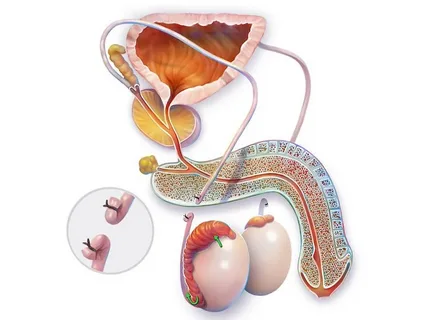
Early failure occurs when sperm remain in the semen after the procedure due to incomplete vas deferens blockage. This typically happens within the first few months and is usually detected during routine follow-up testing.
Common causes include:
- Surgical technique issues
- Incomplete occlusion of the vas deferens
- Failure to complete follow-up semen analysis
Early failure is preventable in most cases through proper testing and adherence to medical instructions.
Late Failure
Late failure is much rarer and occurs after confirmed sterility. It can happen months or even years after the procedure.
The primary cause of late failure is recanalization, a process in which the severed ends of the vas deferens reconnect spontaneously. Although biologically possible, this event is extremely uncommon.
Recanalization and Its Impact on Pregnancy Risk
Recanalization is the most important factor influencing long-term pregnancy risk after confirmed sterility. It can occur in two forms:
Early Recanalization
- Happens before sterility confirmation
- Usually detected during routine semen testing
- Managed with repeat surgery if necessary
Late Recanalization
- Occurs after confirmed sterility
- May lead to unexpected pregnancy
- Often detected only after conception
Research indicates that late recanalization occurs in fewer than 0.05% of cases. When it does occur, the number of sperm in semen may gradually increase over time, restoring fertility.
Despite this possibility, the probability remains extremely low, making vasectomy one of the most dependable long-term contraceptive options available.
Factors That Influence Long-Term Pregnancy Risk
Although the overall risk is minimal, certain factors can affect the likelihood of pregnancy after confirmed sterility.
1. Surgical Technique
Modern techniques significantly reduce failure rates. The no-scalpel vasectomy method, combined with cauterization and fascial interposition, has demonstrated the lowest rates of recanalization.
2. Patient Compliance With Follow-Up Testing
Skipping post-vasectomy semen analysis is one of the most common reasons for unintended pregnancy.
Patients who confirm sterility through testing have dramatically lower risk than those who assume effectiveness without verification.
3. Time Since Procedure
Most pregnancies related to vasectomy occur within the first year. After several years of confirmed sterility, the risk decreases further.
4. Surgeon Experience
Studies show that complication and failure rates are lower when procedures are performed by experienced clinicians using standardized protocols.
Long-Term Effectiveness Compared With Other Contraceptive Methods
When evaluating pregnancy risk, vasectomy consistently ranks among the most effective contraceptive methods available.
Typical Failure Rates by Method
- Vasectomy: about 0.05%
- Female tubal ligation: about 0.5%
- Oral contraceptive pills: about 7% (typical use)
- Condoms: about 13% (typical use)
These comparisons highlight why vasectomy is often recommended for couples seeking permanent contraception. Its reliability remains stable over decades, providing long-term reproductive control with minimal ongoing effort.
Psychological and Counseling Considerations
Understanding the long-term pregnancy risk after confirmed sterility is important not only medically but also psychologically. Patients often worry about the possibility of unexpected pregnancy years after the procedure.
Clear counseling helps address these concerns.
Healthcare providers typically emphasize:
- The extremely low risk of late failure
- The importance of follow-up testing
- The permanence of the procedure
- The option of repeat testing if concerns arise
Providing accurate information improves patient confidence and satisfaction with vasectomy outcomes.
Monitoring and Follow-Up in the Long Term
Routine long-term testing is not usually required after confirmed sterility. However, certain situations may warrant additional evaluation.
Possible Reasons for Repeat Testing
- Unexpected pregnancy
- Changes in reproductive health
- Concerns about procedure effectiveness
- Symptoms suggesting recanalization
In these cases, a simple semen analysis can confirm whether sperm are present.
Most men never need additional testing after initial sterility confirmation.
Real-World Outcomes Over 10 to 20 Years
Long-term observational studies provide valuable insight into real-world pregnancy risk after vasectomy.
Common Findings
- The vast majority of men remain sterile permanently
- Late pregnancies are extremely rare
- Satisfaction rates exceed 95%
- Complication rates remain low
These findings reinforce the reputation of vasectomy as a safe and dependable method of permanent contraception.
For couples who have completed their families or wish to avoid future pregnancies, vasectomy offers predictable, long-lasting results supported by strong clinical evidence.
Conclusion
Vasectomy and long-term pregnancy risk after confirmed sterility are closely linked through decades of clinical research demonstrating exceptional effectiveness. Once semen analysis confirms sterility, the likelihood of pregnancy becomes extremely low—approximately 1 in 2,000 cases over a lifetime.
Although rare failures can occur due to recanalization or incomplete occlusion, modern surgical techniques and proper follow-up testing minimize these risks. For most patients, vasectomy provides reliable, permanent contraception with minimal maintenance and long-term peace of mind.
Understanding the data behind vasectomy effectiveness empowers patients to make confident reproductive decisions and trust the durability of this widely used procedure.
FAQs
1. Can pregnancy occur years after confirmed sterility following a vasectomy?
Yes, but it is extremely rare. The long-term pregnancy risk after confirmed sterility is about 1 in 2,000, usually due to late recanalization of the vas deferens.
2. How long after vasectomy is sterility considered permanent?
Sterility is considered reliable once semen testing confirms no sperm are present. This typically occurs within 8 to 16 weeks after the procedure.
3. Do men need repeat semen tests years after vasectomy?
Routine repeat testing is not necessary for most men. However, testing may be recommended if pregnancy occurs or if there are concerns about the effectiveness of the procedure.


Leave a Comment