


Webflow Accessibility & ADA Compliance: What Businesses Need to Know
Summary Webflow supports accessibility, but doesn’t guarantee it ADA compliance depends on how the site is built Accessibility improves usability, SEO, and reach Most issues come from design...

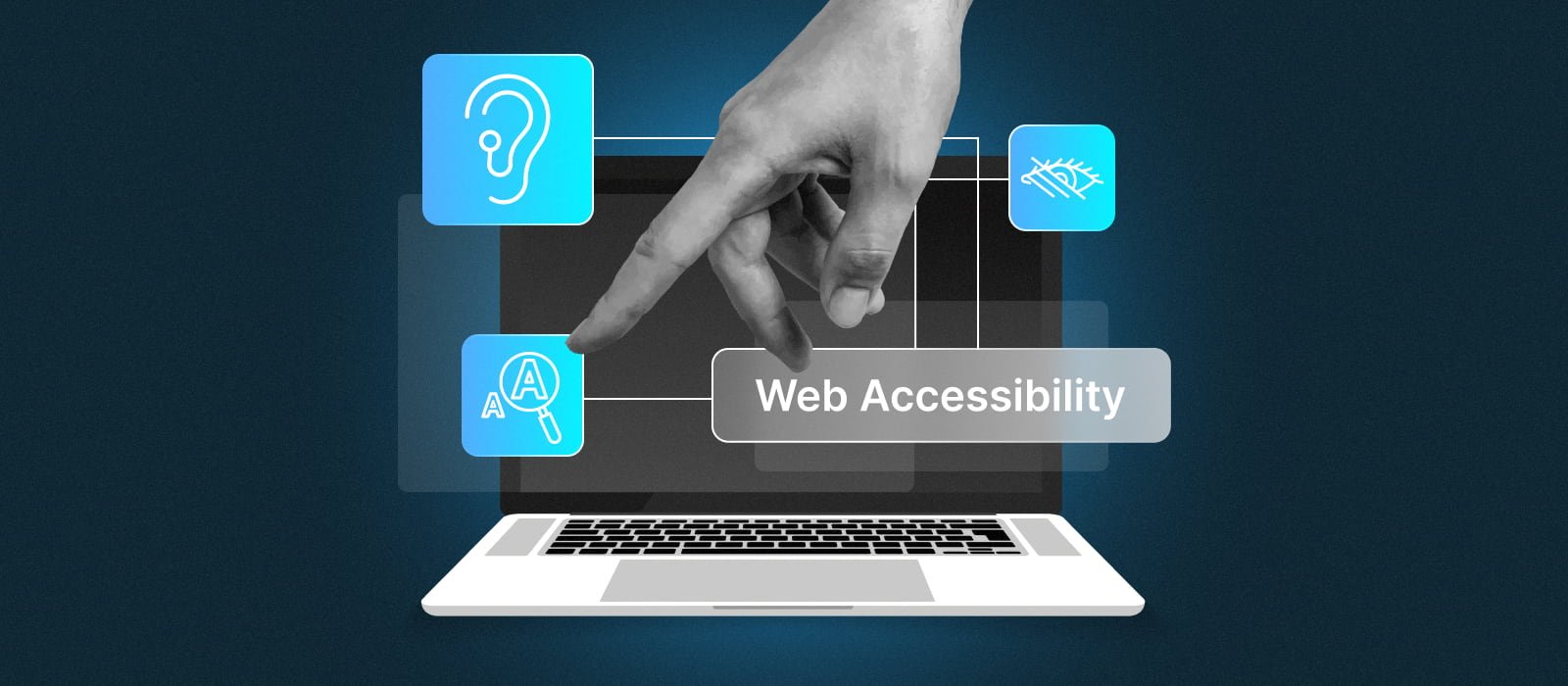
Most teams using Webflow focus on design, speed, and flexibility. That makes sense, it’s one of the easiest ways to build modern websites without heavy development.
But there’s one thing that often gets overlooked: accessibility.
A site can look great and still be difficult for many people to use. Someone navigating with a keyboard, a screen reader, or even a slow internet connection might experience your website very differently.
That’s where Webflow accessibility and ADA compliance come in. These aren’t “extra features.” They directly affect how usable, inclusive, and legally safe your website is.
What is Webflow Accessibility?
In simple terms, Webflow accessibility means building websites that people can actually use, regardless of ability.
This includes:
- Someone using a screen reader
- Someone who cannot use a mouse
- Someone with low vision or color sensitivity
It also includes everyday situations, like browsing on a phone in bright sunlight or using one hand while carrying something.
Webflow gives you control over structure, layout, and interactions. That’s helpful. But accessibility depends on how you use those controls.
For example:
- Adding proper headings
- Writing meaningful alt text
- Keeping navigation clear
These small decisions make a big difference.
What is Webflow ADA Compliance?
ADA compliance is about meeting legal accessibility expectations under the Americans with Disabilities Act.
For websites, this usually means following WCAG guidelines (Web Content Accessibility Guidelines).
A Webflow site is closer to ADA compliant when:
- You can navigate it using only a keyboard
- Content works with screen readers
- Text is readable and contrasts well with backgrounds
- Forms are easy to understand and submit
It’s not about ticking boxes. It’s about making sure your website works in real situations.
Why Accessibility Matters More Than You Think
Many businesses still treat accessibility as a “nice-to-have.” That mindset is changing.
1. Legal Pressure is Increasing
More companies are being challenged on accessibility. A non-compliant website can become a liability.
2. It Improves Everyday Usability
Clear layouts, readable text, and simple navigation help everyone — not just users with disabilities.
3. It Supports SEO
Search engines prefer structured, well-organized content. Accessibility often overlaps with good SEO practices.
4. You Reach More People
A large portion of users rely on accessible experiences. Ignoring accessibility means leaving them out.
Does Webflow Automatically Handle Accessibility?
No — and this is where many teams get confused.
Webflow gives you:
- Clean code output
- Flexible design control
- Some built-in checks
But it does not:
- Fix accessibility issues for you
- Guarantee ADA compliance
- Replace proper testing
In other words, Webflow makes accessibility possible — not automatic.
Where Webflow Helps (If Used Right)
Webflow does a few things well when it comes to accessibility:
- You can define proper page structure (headings, sections)
- Images can include alt text
- Layouts can adapt across devices
- You can control interactions and animations
There’s also an audit panel that flags some common issues.
But these features only help if they’re used properly. A well-designed system can still fail if accessibility isn’t considered early.
Common Accessibility Gaps in Webflow Sites
Even good-looking websites often run into issues like:
- Headings used for styling instead of structure
- Missing alt text on images
- Low contrast between text and background
- Animations that distract or confuse users
- Navigation that doesn’t work with a keyboard
- Forms without clear labels or error messages
These problems don’t come from Webflow itself. They come from how the site is built.
How to Make a Webflow Site ADA Compliant
You don’t need to overcomplicate this. Start with a few basics:
Think About Accessibility Early
It’s much easier to build it in than fix it later.
Follow a Clear Structure
Use headings properly. Keep layouts predictable.
Make Content Readable
Use good contrast. Avoid tiny text or overly complex fonts.
Test the Site
Try navigating with just a keyboard. Use a screen reader if possible.
Keep Improving
Accessibility is not a one-time fix. It needs regular attention.
Why Many Businesses Need Support
For small sites, basic fixes might be enough. But for growing businesses or enterprise platforms, accessibility gets more complex.
You’re dealing with:
- Multiple pages and templates
- Different teams creating content
- Ongoing updates and changes
That’s where working with a specialist becomes useful.
Teams like AccessifyLabs help by:
- Auditing your Webflow site properly
- Identifying real usability gaps (not just automated errors)
- Guiding fixes that actually work
- Helping teams maintain accessibility over time
This approach avoids last-minute fixes and builds consistency.
What’s Changing in Accessibility
Accessibility is no longer treated as an afterthought.
A few shifts are happening:
- It’s becoming part of product design from day one
- More countries are tightening digital accessibility laws
- Companies are linking accessibility with brand trust
- Continuous monitoring is replacing one-time audits
In short, accessibility is becoming standard practice.
Conclusion
Webflow gives you the freedom to build almost anything. But accessibility depends on the choices you make along the way.
A compliant website isn’t just about avoiding risk. It’s about creating something that works well for everyone who uses it.
If accessibility is considered early, it becomes part of the design. If it’s ignored, it turns into a problem later.
FAQs
1. Is Webflow ADA compliant by default?
The system contains essential tools for the prompt implementation of accessibility standards yet actual compliance depends on your site development and ongoing site management practices.
2. What is Webflow accessibility?
Webflow websites require designers to create websites that people with various disabilities and different devices can access.
3. How can I test accessibility on my Webflow site?
The system provides three accessibility testing methods which include built-in audits, external tools, and manual checks through keyboard navigation.
4. Can I fix accessibility issues on an existing Webflow site?
Yes. The majority of accessibility problems can be resolved through design alterations and content modifications.
5. Do I need an accessibility partner?
Expert assistance benefits larger or expanding websites because it establishes consistent processes that lead to ongoing compliance with accessibility standards.






No Comment! Be the first one.