


Nasal Polyps Treatment: What Helps, What Doesn’t, and Why It Matters
Summary: Nasal polyps are linked to ongoing inflammation, not just infection Nasal steroid sprays are the foundation of treatment Oral steroids help quickly, but aren’t long-term solutions...

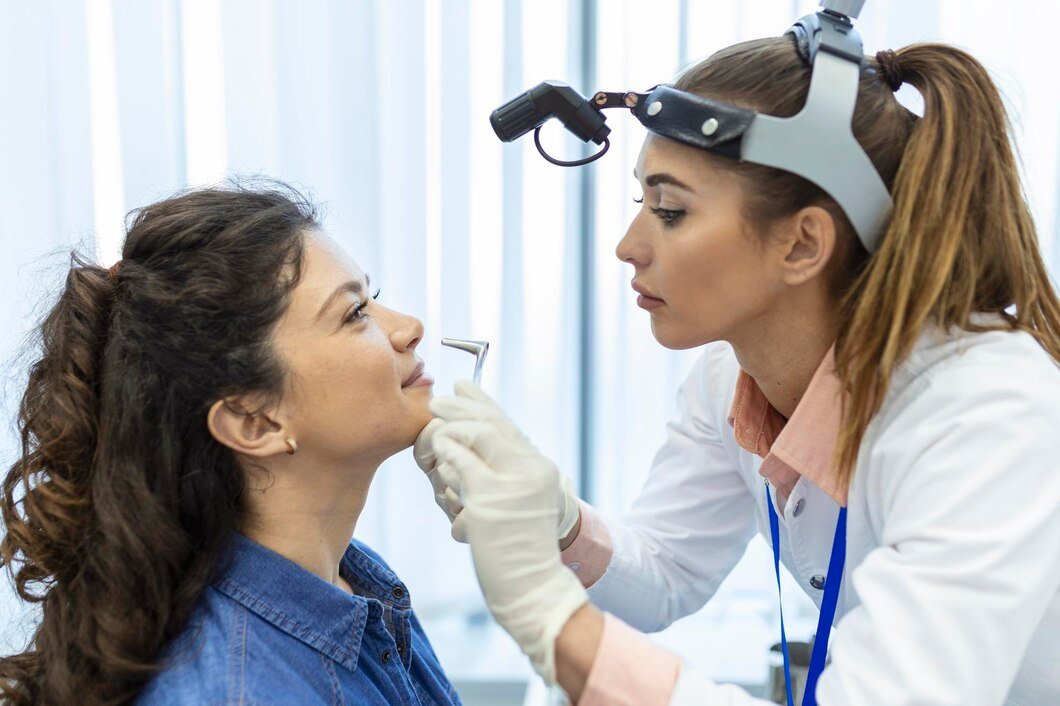
There’s a difference between a blocked nose and a constantly blocked nose.
If you’ve been breathing through your mouth for weeks, maybe months, and nothing—steam, tablets, sprays—seems to fix it, nasal polyps treatment might be in the picture. A lot of people don’t realize this early. They assume it’s sinus, weather, dust, or just “one of those things.”
It usually isn’t.
First, What Exactly Are Nasal Polyps?
They’re not dangerous in the way tumors are, but they’re not harmless either. Nasal polyps are soft growths that form inside the nasal lining. They don’t hurt. That’s partly why people ignore them.
But they block space. And over time, that’s where the trouble begins.
Most cases are tied to long-term irritation:
- Untreated allergies
- Asthma
- Repeated sinus infections
- Or even sensitivity to certain medicines
It’s less about infection and more about inflammation that never really settles down.
How People Usually Notice Something’s Wrong
It rarely starts dramatically.
Maybe your nose feels stuffed most mornings. Then your sense of smell fades a bit. Food tastes dull. You start breathing through your mouth at night.
Weeks pass.
At some point, you realize it’s not going away.
Common patterns people report:
- Both nostrils are feeling blocked (not just one)
- Constant mucus at the back of the throat
- Mild pressure around the eyes or forehead
- Frequent sinus flare-ups that keep returning
That “this again?” feeling is pretty typical.
Nasal Polyps Treatment: What Doctors Actually Do
There isn’t one single fix. It’s more like a layered approach. The goal isn’t just removing the polyp—it’s calming the environment that created it.
Nasal Sprays Come First (Almost Always)
Doctors usually start simple.
Steroid-based nasal sprays are the go-to. Not because they’re quick—but because they work over time.
Names you might hear:
- fluticasone
- mometasone
- budesonide
They reduce swelling inside the nose. Slowly.
And that’s the part many people get wrong—slowly.
You won’t feel a dramatic shift in two days. It can take a couple of weeks before breathing improves.
A lot of patients stop early. Then they say, “It didn’t work.”
It probably would have.
When Symptoms Feel Too Intense
Sometimes sprays aren’t enough at the start.
If breathing is badly affected, doctors may prescribe oral steroids for a short period. These act faster. Within days, you may notice clearer airflow.
But they’re not meant to continue long-term. Side effects can build up if used repeatedly.
Think of them as a short push—not the full solution.
Nasal Polyps Medication: What Else Gets Added
Depending on the cause, treatment expands.
If Allergies Are Involved
Antihistamines are added. They don’t shrink the polyp directly, but they reduce the irritation that feeds it.
If There’s an Asthma Link
Some patients are given medications like montelukast. These help calm the body’s inflammatory response, especially in people who already deal with breathing issues.
If Infection Shows Up
Antibiotics might be prescribed—but only when there’s a clear bacterial infection. Not otherwise.
That’s an important distinction. Many people assume antibiotics are standard here. They’re not.
The Newer Option: Biologic Therapy
This is where treatment has changed in recent years.
For people who keep getting polyps again and again, biologic medications can be used. These don’t just reduce symptoms—they target specific immune responses in the body.
One commonly used option is dupilumab.
It’s not for everyone. Usually, it’s considered when:
- Polyps keep returning after surgery
- Symptoms stay severe despite medication
- Asthma and nasal polyps exist together
It’s more specialized, and doctors monitor it closely.
What About Surgery?
Yes, surgery is sometimes needed.
It’s typically recommended when:
- Breathing is heavily blocked
- Medications aren’t helping enough
- Polyps are large or widespread
The procedure itself is minimally invasive. No external cuts. Doctors remove the polyps using small instruments through the nose.
Most people recover fairly quickly.
But here’s the part people often misunderstand—
Surgery removes the growth. It doesn’t remove the cause.
Without follow-up treatment, polyps can return. Not always, but often enough.
Where People Go Wrong (More Often Than You’d Think)
This isn’t about ignoring treatment completely. It’s more subtle.
- Stopping nasal sprays once breathing improves
- Skipping follow-up visits
- Relying only on steam or home remedies
- Using decongestant sprays too frequently
Short-term relief can feel like progress. But it doesn’t always mean the issue is gone.
Small Things That Actually Make a Difference
Medication does the heavy lifting. Still, a few habits help support it:
- Rinsing the nose with saline (this clears irritants)
- Avoiding dusty or smoky environments when possible
- Using a humidifier if the indoor air is dry
- Managing allergies properly instead of reacting to them late
None of this is complicated. But consistency matters more than intensity here.
When It’s Time to Get It Checked
If symptoms stretch beyond a couple of months, it’s worth seeing a specialist.
Especially if:
- Your sense of smell has reduced
- You’re getting repeated sinus infections
- Breathing through your nose feels like an effort
Getting clarity early can prevent things from escalating.
It’s Not Just About Clearing Your Nose
Living with nasal polyps can feel like a constant, low-level irritation—nothing dramatic, but always there.
The good part? It’s manageable.
With the right mix of nasal polyps treatment and nasal polyps medication, most people see real improvement. The key is sticking with the plan, even when progress feels slow.
If symptoms have been lingering and nothing seems to work long-term, it may be time for a proper evaluation. Clinics like Fort Worth ENT & Sinus focus on diagnosing and managing conditions like these with a more tailored approach, rather than one-size-fits-all treatment.
FAQs
1. Can nasal polyps be treated without surgery?
Yes, many cases improve with nasal sprays and medication alone, especially when treated early.
2. Which nasal polyps medication is most commonly used?
Steroid nasal sprays are the most commonly prescribed and form the base of treatment.
3. Do nasal polyps always come back?
Not always, but recurrence is possible—especially if underlying inflammation isn’t controlled.
4. How long does it take to feel better?
Some people notice changes in a couple of weeks, but full improvement may take longer.
5. Are home remedies enough to treat nasal polyps?
They can support treatment, but they don’t replace medical therapy.






No Comment! Be the first one.