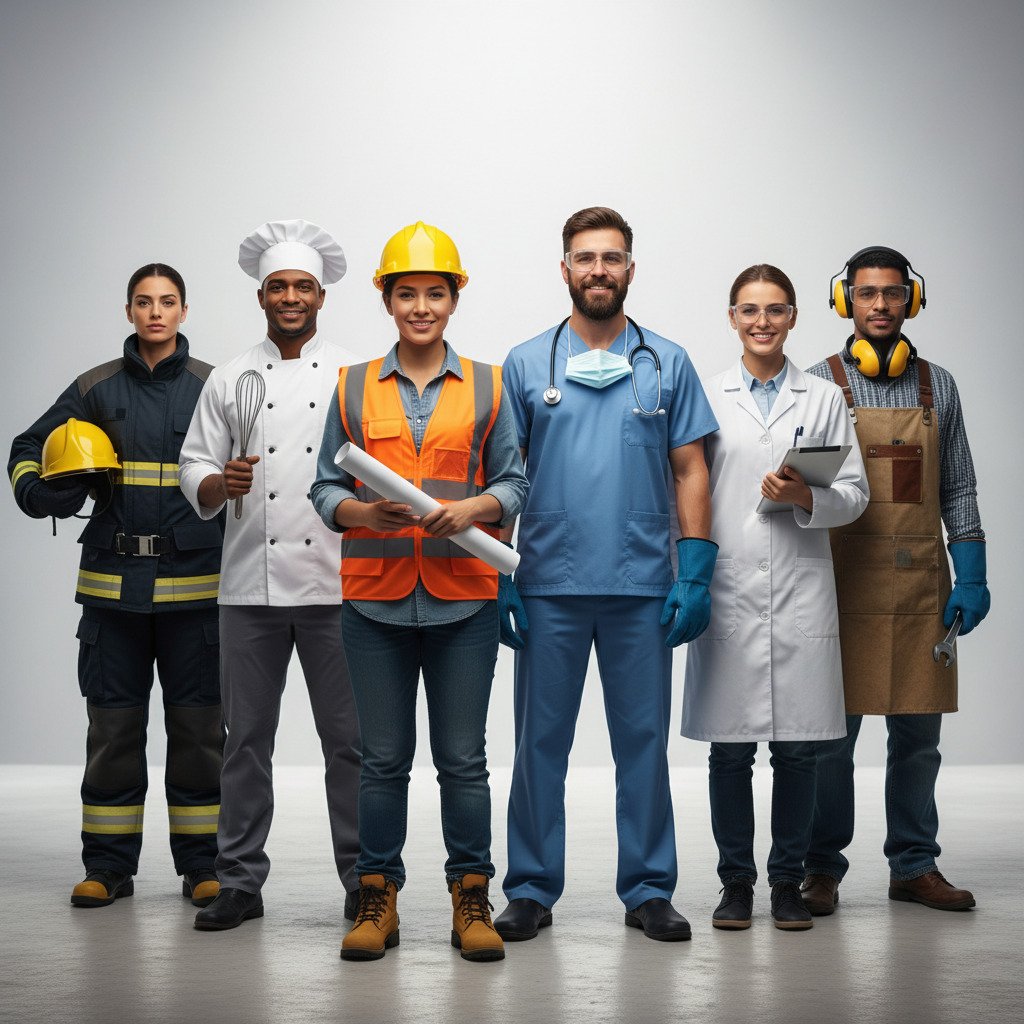
Protective clothing plays a vital role in ensuring the safety and well-being of workers across a wide range of industries. From construction sites and manufacturing plants to laboratories and emergency services, the right Safety wear can mean the difference between a safe workday and a serious injury. Understanding the materials, safety standards, and practical tips for choosing the right gear is essential for both employers and employees.
In this comprehensive guide, we will explore everything you need to know about protective clothing, including the importance of Industrial workwear, the materials used in manufacturing, relevant safety standards, and actionable safety tips.
What Is Protective Clothing?
Protective clothing refers to garments and equipment specifically designed to protect the wearer from hazards such as physical injuries, chemical exposure, extreme temperatures, and biological risks. It is a crucial component of Safety wear, helping to minimize workplace risks and ensure compliance with occupational safety regulations.
Protective clothing includes a wide range of items such as gloves, helmets, goggles, coveralls, and footwear like Safety boots, tactical boots, and even specialized sports shoes designed for high-performance environments.
Importance of Protective Clothing in the Workplace
Workplace hazards are inevitable in many industries. Whether it’s falling objects, sharp tools, hazardous chemicals, or slippery surfaces, employees are exposed to risks daily. This is where Industrial workwear becomes essential.
Key Benefits:
- Reduces workplace injuries and accidents
- Ensures compliance with safety regulations
- Enhances worker confidence and productivity
- Protects against long-term health hazards
- Improves overall workplace safety culture
Proper Safety wear not only protects individuals but also helps organizations avoid costly legal issues and downtime.
Common Materials Used in Protective Clothing
The effectiveness of protective clothing largely depends on the materials used. Different materials are designed to address specific hazards.
1. Cotton and Blended Fabrics
Cotton is widely used in Industrial workwear due to its comfort and breathability. Blended fabrics (cotton-polyester) offer enhanced durability and resistance to wear and tear.
2. Flame-Resistant (FR) Materials
These materials are treated to resist ignition and prevent the spread of flames. They are commonly used in industries like oil and gas, welding, and electrical work.
3. High-Visibility Fabrics
Used in construction and roadwork, these materials are designed to enhance visibility, especially in low-light conditions.
4. Rubber and PVC
Ideal for protection against chemicals and liquids, these materials are often used in gloves, boots, and aprons.
5. Leather
Leather is commonly used in Safety boots and gloves because of its durability and resistance to cuts, heat, and abrasion.
6. Kevlar and Aramid Fibers
These advanced materials provide high resistance to cuts and heat, making them suitable for high-risk environments.
Types of Protective Footwear
Footwear is a critical component of Safety wear, offering protection against impact, punctures, slips, and electrical hazards.
Safety Boots
Safety boots are designed with reinforced toes (often steel or composite) to protect against heavy falling objects. They also provide slip resistance and ankle support, making them essential in construction and industrial settings.
Tactical Boots
Tactical boots are commonly used by military personnel, security forces, and emergency responders. They offer durability, comfort, and excellent grip in challenging terrains.
Sports Shoes in Work Environments
While traditionally associated with athletics, sports shoes are increasingly being used in workplaces that prioritize comfort and mobility, such as warehouses and logistics. Some modern designs incorporate safety features like anti-slip soles and lightweight protective elements.
Safety Standards for Protective Clothing
To ensure effectiveness, protective clothing must meet specific safety standards set by regulatory bodies. These standards define the performance requirements and testing methods for different types of Industrial workwear.
International Standards
- ISO (International Organization for Standardization): Provides global standards for protective clothing performance.
- EN Standards (European Norms): Commonly used in Europe for various types of Safety wear.
- ANSI (American National Standards Institute): Sets standards for high-visibility clothing and other safety gear.
Key Compliance Areas:
- Resistance to heat and flame
- Protection against chemicals
- Impact and puncture resistance
- Visibility and reflectivity
- Electrical hazard protection
Employers must ensure that all Industrial workwear meets the relevant standards to guarantee worker safety.
How to Choose the Right Protective Clothing
Selecting the right protective clothing requires careful consideration of the work environment and potential hazards.
1. Assess Workplace Risks
Identify the specific hazards present, such as chemical exposure, heat, or heavy machinery.
2. Prioritize Comfort and Fit
Ill-fitting clothing can reduce effectiveness and increase the risk of accidents. Comfortable gear, including well-fitted Safety boots or sports shoes, improves mobility and productivity.
3. Check Compliance and Certification
Always choose products that meet recognized safety standards.
4. Consider Durability
High-quality materials ensure long-term protection and cost-effectiveness.
5. Evaluate Environmental Conditions
For example, waterproof gear for wet environments or insulated clothing for cold conditions.
Maintenance and Care Tips
Protective clothing must be properly maintained to retain its effectiveness.
- Regularly inspect for damage such as tears or worn-out soles
- Clean according to manufacturer instructions
- Replace damaged items immediately
- Store in a clean, dry environment
- Avoid unauthorized modifications
Proper care extends the lifespan of Safety wear and ensures consistent protection.
Common Mistakes to Avoid
Even the best protective clothing can fail if used incorrectly.
- Ignoring safety standards when purchasing
- Using the wrong type of gear for the job
- Neglecting regular maintenance
- Choosing style over functionality
- Wearing damaged or worn-out equipment
Avoiding these mistakes ensures that Industrial workwear performs as intended.
Future Trends in Protective Clothing
The field of protective clothing is evolving rapidly, with innovations aimed at improving safety and comfort.
- Smart clothing with sensors to monitor health and environment
- Lightweight and breathable materials
- Eco-friendly and sustainable fabrics
- Enhanced ergonomics for better mobility
Modern Safety wear is becoming more advanced, offering better protection without compromising comfort.
Frequently Asked Question’s
1. What is the difference between Safety wear and regular clothing?
Safety wear is specifically designed to protect against workplace hazards, while regular clothing does not offer specialized protection.
2. How often should protective clothing be replaced?
It depends on usage and wear. Items like Safety boots should be replaced when they show signs of damage or reduced effectiveness.
3. Are sports shoes suitable for industrial work?
In some low-risk environments, sports shoes with safety features may be suitable. However, high-risk workplaces require certified Safety boots or specialized footwear.
4. What are tactical boots used for?
Tactical boots are designed for durability and performance in demanding conditions, commonly used by military, law enforcement, and security personnel.
5. Why is Industrial workwear important?
Industrial workwear protects workers from hazards, ensures compliance with regulations, and promotes a safe working environment.
6. How do I know if protective clothing meets safety standards?
Check for certification labels such as ISO, EN, or ANSI standards on the product.
7. Can protective clothing improve productivity?
Yes, comfortable and well-designed Safety wear allows workers to perform tasks efficiently without compromising safety.
8. What materials are best for protective clothing?
The best material depends on the hazard. For example, flame-resistant fabrics for fire hazards and rubber for chemical protection.


Leave a Comment