


What Are the Benefits of the Boiler Upgrade Scheme?
If you’ve been hearing about the Boiler Upgrade Scheme and wondering whether it’s actually worth it, you’re not alone. Many homeowners understand that it involves heat pumps and grants, but the real...

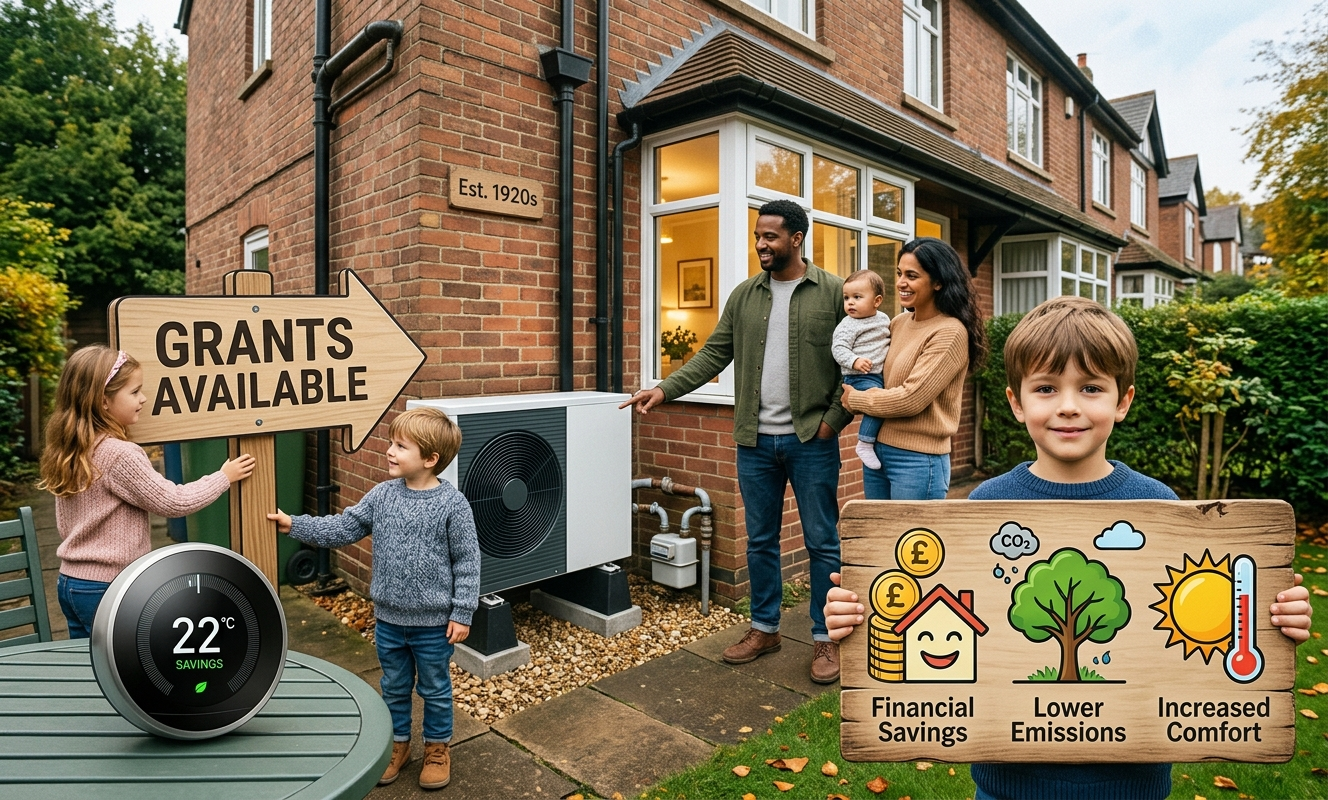
If you’ve been hearing about the Boiler Upgrade Scheme and wondering whether it’s actually worth it, you’re not alone. Many homeowners understand that it involves heat pumps and grants, but the real advantages and the limitations aren’t always clear at first glance.
Table Of Content
- What Does the Boiler Upgrade Scheme Actually Do?
- Lower Upfront Costs for Low-Carbon Heating
- Reduced Energy Use Over Time
- Lower Carbon Emissions
- More Stable Indoor Comfort
- Potential Increase in Property Appeal
- Support for Future Energy Regulations
- Are There Any Downsides to Be Aware Of?
- Who Benefits the Most From the Scheme?
- What Should You Do Next?
- Final Thoughts
This guide breaks down what the scheme offers in practical terms, how it can affect your home, and where it may or may not make sense.
What Does the Boiler Upgrade Scheme Actually Do?
At its core, the scheme helps households replace older, fossil-fuel-based heating systems with low-carbon alternatives such as air source or ground source heat pumps, and in some cases biomass boilers.
The key benefit is financial support. Instead of paying the full cost upfront, you receive a government grant that reduces the installation price significantly.
But the value goes beyond the initial discount. The real benefits show up over time in how your home performs and how much energy it uses.
Lower Upfront Costs for Low-Carbon Heating
One of the most immediate advantages is the reduction in installation cost.
Heat pumps can be expensive to install compared to traditional boilers. That upfront cost often puts people off, even if the long-term savings are appealing. The scheme helps bridge that gap by contributing a fixed grant amount toward the system.
This changes the decision from “too expensive to consider” to something more realistic, especially for homeowners already planning a replacement.
Reduced Energy Use Over Time
Heat pumps work differently from boilers. Instead of generating heat by burning fuel, they transfer heat from the air or ground into your home.
Because of this, they can produce more heat energy than the electricity they consume. In practical terms, that means lower energy use for the same level of comfort, provided the system is installed correctly and the home is suitable.
That last part matters. Poor insulation or an unsuitable setup can reduce efficiency, so the savings are not automatic.
Lower Carbon Emissions
Another clear benefit is environmental.
Traditional gas or oil boilers release carbon dioxide as they operate. Heat pumps, on the other hand, run on electricity and produce far fewer direct emissions. As the electricity grid becomes greener, its environmental impact continues to decrease.
For homeowners trying to reduce their carbon footprint, this is one of the strongest reasons to consider the scheme.
More Stable Indoor Comfort
People often expect heating to feel the same across systems, but that’s not always the case.
Heat pumps tend to provide steady, consistent warmth rather than short bursts of high heat. Instead of turning on and off frequently, they maintain a stable temperature throughout the day.
This can make a home feel more comfortable overall, particularly during colder months. However, it may take some adjustment if you’re used to the quick heat of a traditional boiler.
Potential Increase in Property Appeal
Energy efficiency is becoming more important in the housing market.
Homes with modern, low-carbon heating systems may appeal more to buyers who are conscious of running costs and environmental impact. While it’s not guaranteed to increase property value, it can make a home more attractive compared to similar properties with older systems.
In areas where energy performance certificates (EPCs) matter more, this can be a useful long-term advantage.
Support for Future Energy Regulations
Heating regulations in the UK are gradually shifting toward lower-carbon solutions.
By upgrading early, homeowners can stay ahead of potential policy changes rather than reacting to them later. This reduces the risk of needing a rushed or more expensive upgrade in the future.
In simple terms, the scheme helps you prepare for where heating standards are heading.
Are There Any Downsides to Be Aware Of?
While the benefits are real, it’s important to understand the limitations.
- Not every home is suitable: Older properties with poor insulation may need upgrades first.
- Higher upfront cost still applies: Even with the grant, you may need to cover a significant portion.
- Installation complexity: Heat pumps often require space for outdoor units and, sometimes, larger radiators.
- Running costs vary: Savings depend on electricity prices and how efficiently the system is set up.
Ignoring these factors can lead to disappointment, so it’s worth assessing your home carefully before applying.
Who Benefits the Most From the Scheme?
In practice, the scheme tends to suit:
- Homeowners are already planning to replace an old boiler
- Properties with good insulation or recent upgrades
- Homes with enough space for installation
- People are thinking long-term rather than short-term savings
If your current system still works well and your home isn’t energy-efficient, the timing might not be ideal just yet.
What Should You Do Next?
If you’re considering this route, start with a simple assessment:
- Check your home’s insulation and EPC rating
- Speak with a qualified installer about suitability
- Compare upfront costs versus long-term savings
- Look into available grants and eligibility
Taking these steps early helps avoid surprises later in the process.
Final Thoughts
The Boiler Upgrade Scheme offers a practical way to move toward low-carbon heating without facing the full financial burden upfront. It reduces installation costs, supports energy efficiency, and aligns with future environmental goals.
That said, it’s not a one-size-fits-all solution. The real benefits depend on your home, your budget, and your long-term plans.
If you approach it with a clear understanding, rather than just chasing a grant, you’re far more likely to make a decision that actually works for you.





No Comment! Be the first one.