



Things to Know About Becoming a Pilot in Australia
Many students consider aviation as a career, but often feel unsure about training requirements. Questions about eligibility, costs, and licences usually come first. Understanding how to become a...

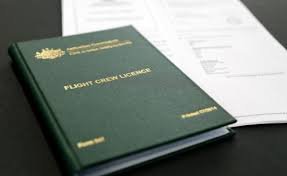
Many students consider aviation as a career, but often feel unsure about training requirements. Questions about eligibility, costs, and licences usually come first. Understanding how to become a pilot in Australia helps students plan their training path. The following sections explain licensing, requirements, and career prospects within the Australian aviation system.
Table Of Content
- Qualifications Required to Start Pilot Training
- Age and Education Requirements
- Medical Certification
- Licences Needed to Become a Pilot
- Recreational Pilot Licence (RPL)
- Private Pilot Licence (PPL)
- Commercial Pilot Licence (CPL)
- How Long Does Pilot Training Take?
- How Much Does Pilot Training Cost in Australia?
- Can International Students Become Pilots in Australia?
- Career Opportunities Available After Training
- Conclusion
Qualifications Required to Start Pilot Training
Many aspiring pilots look for the academic and medical requirements to start pilot training in Australia. Understanding these requirements helps students prepare before applying to a flight school.
Age and Education Requirements
Most aviation schools accept students who are at least 18 years old when they begin commercial pilot training. Some students start ground school earlier, but professional flying requires legal eligibility.
Students usually complete Year 12 with Mathematics and Physics. These subjects help students understand aerodynamics, navigation, and aircraft systems during training.
Medical Certification
Pilots must pass a medical assessment before starting professional training. Aviation doctors conduct these tests under regulations set by CASA.
Students applying for a CASA pilot license must obtain a Class 1 medical certificate. This test checks vision, hearing, cardiovascular health, and general fitness.
Licences Needed to Become a Pilot
Pilot training follows a structured licensing path. Each licence allows pilots to gain more flying privileges and professional opportunities.
Recreational Pilot Licence (RPL)
Students usually start with an RPL to learn basic flying skills. This licence allows pilots to fly small aircraft under limited conditions.
Private Pilot Licence (PPL)
The PPL allows pilots to fly privately and carry passengers. However, pilots cannot receive payment for flying with this licence.
Commercial Pilot Licence (CPL)
The CPL allows pilots to work professionally and receive payment for flying services. Students training to become a pilot in Australia usually aim for this licence.
Applicants must complete the required flight hours and theory exams before earning a CASA pilot license at the commercial level.
How Long Does Pilot Training Take?
Training duration depends on the program structure and student progress. Full-time integrated programs often take 12 to 18 months. These programs combine flight training, theory classes, and simulator sessions. Some students follow modular training, where they complete licences step by step. This approach may take longer because students schedule training over several years. Students researching how to become a pilot in Australia often choose structured programs because they offer a faster pathway.
How Much Does Pilot Training Cost in Australia?
Training costs depend on the school, aircraft type, and training structure. Commercial pilot training programs usually range between AUD 70,000 and AUD 100,000. The total cost includes flight hours, theory classes, and examination fees.
Additional expenses may include:
- Aviation headsets
- Study materials
- Medical examinations
- Licence processing fees
Students preparing for a CASA pilot license should plan their finances carefully, as flight training requires a consistent investment.
Can International Students Become Pilots in Australia?
Australia attracts international aviation students due to its structured training system. Many flight schools offer professional pilot programs designed for international applicants. Students must meet visa requirements and English language standards before starting training.
Schools that prepare students for a CASA pilot license often support international applicants through structured aviation courses. These programs help students understand how to become a pilot in Australia while building flight experience in controlled training environments.
Career Opportunities Available After Training
Pilots generally start their careers by building flight experience after earning a commercial licence. Common entry-level roles include:
- Flight instructor
- Charter pilot
- Regional airline first officer
- Aerial survey pilot
Many pilots build experience gradually before applying to major airlines.
Conclusion
Aviation training requires commitment, financial planning, and structured learning. Students researching how to become a pilot in Australia must understand licensing stages, medical requirements, and training costs. Earning a CASA pilot license opens opportunities in commercial aviation, charter services, and airline careers for those who complete the required training and flight experience.





No Comment! Be the first one.