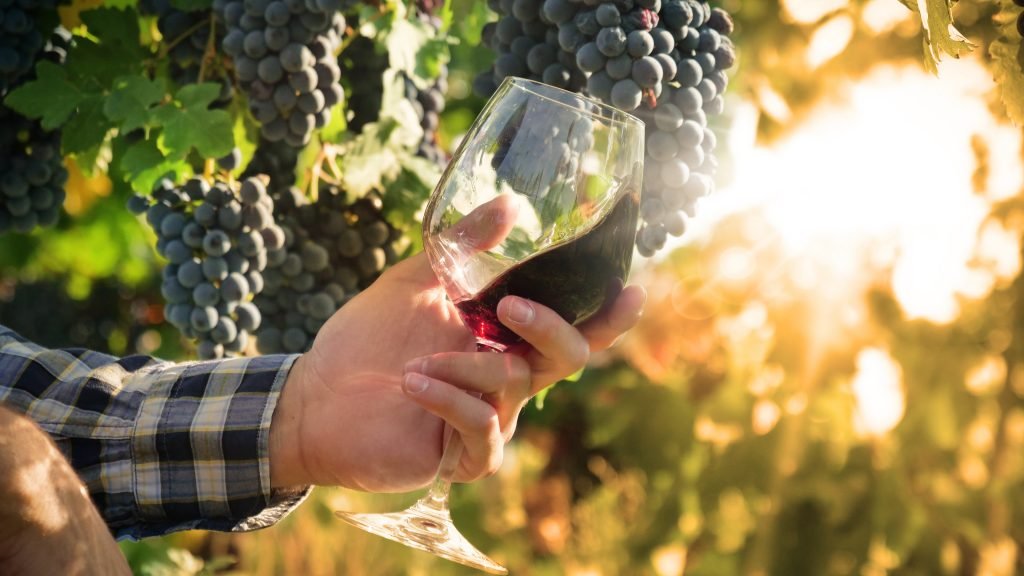
Over the past decade, organic and natural wines have moved from niche health-store curiosities to mainstream supermarket shelves and Michelin-star wine lists. As more drinkers become conscious of sustainability, farming practices, and ingredient transparency, the demand for wines made with fewer chemicals and more respect for the land has grown rapidly.
Organic wine focuses on grapes grown without synthetic pesticides or fertilizers, while natural wine goes a step further, often using minimal intervention in the cellar, native yeast fermentation, and little to no additives.
The good news is that you no longer need to spend a fortune to enjoy clean, responsibly made wine. From budget-friendly everyday bottles to premium biodynamic wines, there is something for every price range and palate.
Below is a guide to some of the best natural and organic wine brands across different budgets.
Budget-Friendly Organic Wines ($10–$20)
Affordable organic wines have improved dramatically in quality, making it easier than ever to drink sustainably without overspending.
Bonterra Organic Vineyards (USA)
Natural and Organic Wine Brands, one of the most recognized names in American organic winemaking has been farming organically in California since the late 1980s. Their wines—especially Cabernet Sauvignon and Zinfandel—are widely available and consistently reliable. Expect smooth fruit-forward flavors with balanced structure, making them perfect for casual dinners or weeknight drinking. Prices often fall in the $12–$18 range, making Bonterra one of the best entry points into organic wine.
Frey Vineyards (USA)
A true pioneer in organic and biodynamic winemaking, it produces wines without added sulfites and uses certified organic farming methods. Their reds tend to be rustic, earthy, and slightly old-world in style, which appeals to drinkers who prefer authenticity over polish. Despite their artisanal approach, many bottles sit comfortably under $20, making them one of the most affordable “clean” wine options.
Aldi Organic Pinot Noir (France)
While not a boutique winery, supermarket organic wines like Aldi’s Florility Organic Pinot Noir have earned attention for offering surprisingly good quality at under $10–$12. These wines typically feature bright cherry and cranberry notes with soft tannins, making them approachable and food-friendly.
Mid-Range Organic and Natural Wines ($20–$40)
This price range is where organic wine starts to show real complexity, balance, and terroir expression.
Avaline (Europe Sourced)
Co-founded by Cameron Diaz, focuses on transparency—listing all ingredients and keeping wines free from unnecessary additives. Their wines are made from organic grapes sourced across France, Spain, and Italy. Expect clean, crisp whites and light reds with minimal sweetness and a refreshing, modern profile. At around $24–$35 per bottle, Avaline is ideal for drinkers who want clarity and consistency.
Domaine Bousquet (Argentina)
Located in Mendoza’s high-altitude vineyards, is known for organic Malbecs that are rich, velvety, and fruit-driven. Their wines combine New World intensity with organic farming principles, offering excellent value at roughly $15–$25. This is one of the best organic options for fans of bold red wines.
Sokol Blosser (USA, Oregon)
In Oregon’s Willamette Valley has been certified organic for decades. Their Pinot Noir and unique white blends are expressive, floral, and balanced. These wines reflect cool-climate elegance and are ideal for those transitioning from conventional Pinot Noir into organic wines.
Premium Organic and Biodynamic Wines ($40+)
At the higher end of the spectrum, organic and natural wines become more terroir-driven, experimental, and age-worthy.
Domaine Huet (France)
One of the most respected biodynamic producers in the Loire Valley specializes in Chenin Blanc wines that range from bone-dry to lusciously sweet. Their wines are structured, complex, and capable of aging for decades. Expect layers of honey, stone fruit, and mineral depth.
Gut Oggau (Austria)
A cult favorite in the natural wine world, produces biodynamic wines with distinctive artistic labels representing “family members.” Each bottle expresses individuality, from energetic whites to textured reds. These wines are vibrant, alive, and often slightly unconventional—perfect for adventurous drinkers.
Frank Cornelissen (Italy, Sicily)
The volcanic slopes of Mount Etna produce some of the most distinctive natural wines in Europe. These wines are deeply expressive, mineral-driven, and often unfiltered, capturing the raw energy of volcanic soil. They are expensive, but highly sought after among natural wine enthusiasts.
What Makes These Wines “Natural” or “Organic”?
Understanding the difference helps you choose better:
Organic wine: Grapes are grown without synthetic pesticides or fertilizers.
Biodynamic wine: A stricter form of organic farming that includes ecological and lunar-cycle practices.
Natural wine: Minimal intervention in winemaking—often native yeast fermentation, little or no filtration, and very low or zero additives.
Many top producers blend these philosophies, prioritizing sustainability and authenticity over industrial production methods.
How to Choose the Right Bottle for Your Budget
If you are just starting:
Choose Bonterra or Frey for affordable, widely available organic wines.
Try Avaline or Domaine Bousquet for clean, modern mid-range options.
Explore Domaine Huet or Gut Oggau if you want premium, expressive wines with personality.
Also consider your taste preference:
Prefer smooth, familiar flavors → go New World organic wines (USA, Argentina).
Prefer complex, earthy profiles → explore European biodynamic wines.
Prefer experimental styles → try natural wine producers from Austria, Italy, or France.
Final Thoughts
The world of natural and organic wine is no longer limited to specialty shops or expensive tasting menus. Whether you are spending $10 or $100, there are now trustworthy producers committed to sustainability, transparency, and flavor quality.
The key shift in modern wine culture is simple: great wine doesn’t need chemical shortcuts. It needs healthy soil, careful farming, and winemakers willing to let the vineyard speak for itself.
As more producers adopt organic and biodynamic methods, the future of wine looks not only cleaner—but more interesting than ever.

Leave a Comment