Zipline lanyards vary in design to meet different safety and performance needs. From fixed-length to retractable options,
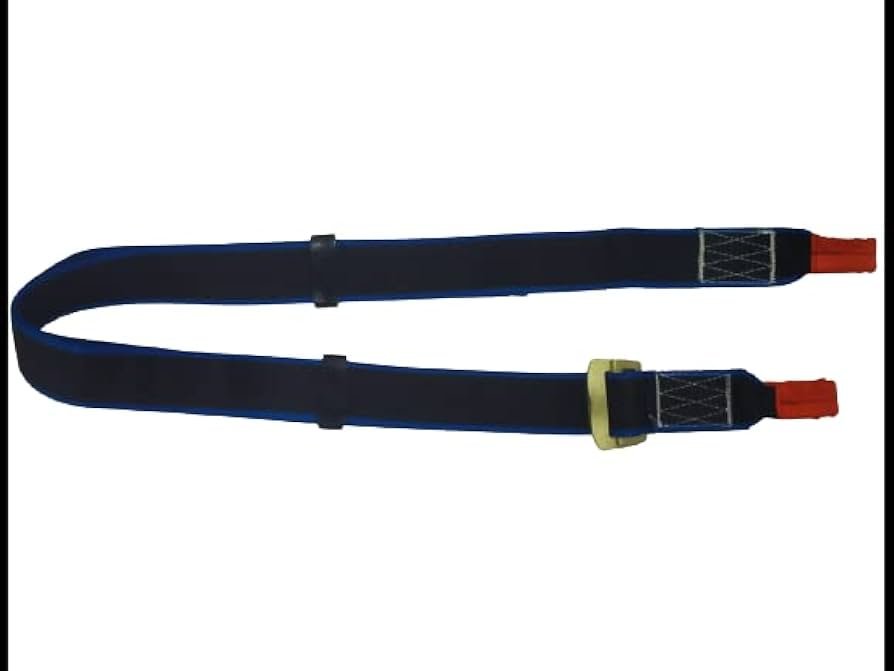
zipline Lanyards
Types of Zipline Lanyards Explained
Zipline systems rely on multiple components to ensure rider safety, and the lanyard plays a central role in that setup. It connects the harness to the trolley and supports controlled movement along the line. Understanding different types of zipline Lanyards helps users choose the right option for safety, comfort, and performance in different environments.
What Is a Zipline Lanyard?
A lanyard acts as a secure link between the rider and the main zipline equipment. It is made from durable materials such as nylon or polyester to handle weight and movement. Properly designed zipline Lanyards maintain stability while allowing smooth travel along the cable.
Main Types of Zipline Lanyards
Different designs serve different purposes, depending on the setup and safety requirements.
Fixed-Length Lanyards
Fixed-length lanyards come in standard sizes and do not allow adjustments. They provide consistent positioning between the harness and trolley. This design works well in controlled environments where a uniform setup improves safety and reduces variability.
Adjustable Lanyards
Adjustable lanyards allow users to adjust the length to their needs. This flexibility helps accommodate different rider heights and preferences. These zipline Lanyards improve comfort and positioning, especially in setups with varied user requirements.
Shock-Absorbing Lanyards
Shock-absorbing lanyards include components that reduce force during sudden stops or impacts. These designs help minimize stress on both the rider and the system. They are useful in high-speed or longer zipline courses where additional safety measures are necessary.
Dual (Y-Type) Lanyards
Dual lanyards feature two connection points that provide continuous attachment. This design ensures that one connection remains secure while the other adjusts. These systems are common in courses that require added safety or multiple connection steps.
Retractable Lanyards
Retractable lanyards extend and retract in response to movement. This feature keeps slack under control and reduces the risk of tangling. These zipline Lanyards work well in dynamic environments where riders need flexibility without compromising safety.
How to Choose the Right Zipline Lanyard?
Users should consider the length needed for proper positioning and the weight capacity required for safe operation. The type of zipline setup also plays a role, as different environments require different levels of flexibility and protection. Choosing the right zipline Lanyards helps maintain both comfort and control.
Why the Right Lanyard Matters?
The choice of lanyard directly affects how safely and efficiently a zipline system operates. A well-matched lanyard reduces the risk of accidents and supports smooth movement along the cable. It also improves rider confidence by providing a stable and secure connection. Proper selection ensures that the system performs as intended under different conditions.
Conclusion
Zipline lanyards vary in design to meet different safety and performance needs. From fixed-length to retractable options, each type serves a specific purpose within the system. By understanding these differences, users can select the right zipline Lanyards for their setup and ensure a safer and more controlled zipline experience.

Leave a Comment