
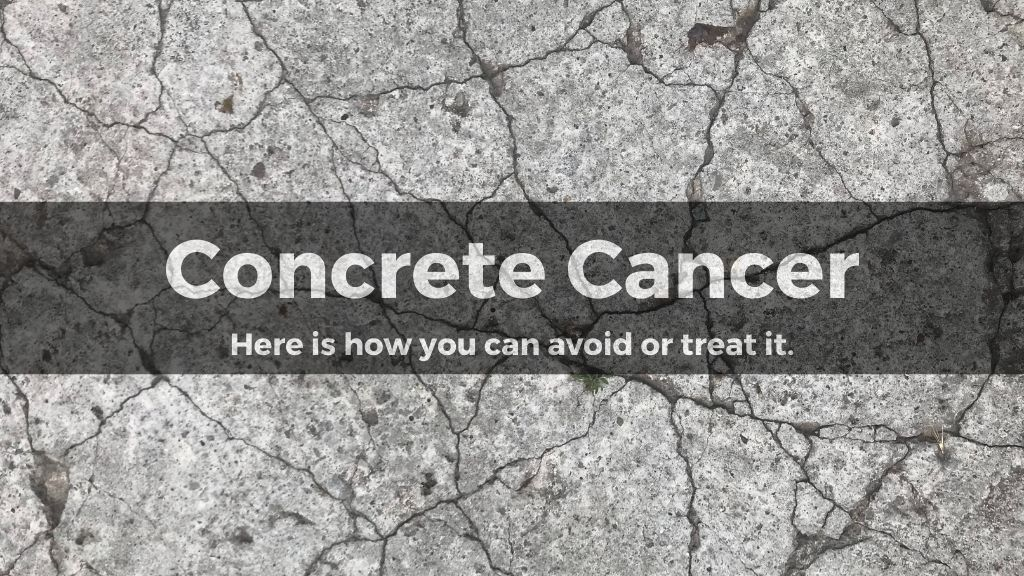
If you’ve ever walked past an older building and noticed chunks of concrete falling away to reveal rusted metal bars underneath, you’ve witnessed concrete cancer. It sounds dramatic—and in the world of structural engineering, it is.
When we talk about modern construction, precast concrete is often hailed as the “gold standard” for durability. But does that mean it’s invincible? Let’s dive into the relationship between precast slabs and the dreaded “cancer” that eats buildings from the inside out.
What Exactly is “Concrete Cancer”?
Before we look at precast, we need to understand the enemy. Concrete cancer is technically known as carbonation or chloride-induced corrosion.
Concrete is naturally alkaline, which creates a protective “passive” layer around the steel reinforcement (rebar) inside. However, when saltwater, rain, or CO2 seeps into the concrete, that alkalinity drops. Once the pH levels shift, the steel begins to rust.
Here’s the kicker: When steel rusts, it expands to up to four to seven times its original size. This internal pressure causes the concrete to crack and flake off—a process called spalling.
Why Precast Concrete Changes the Game
If you’re pouring concrete on a messy, windy construction site (in-situ), there are a million variables. The mix might be too wet, the rebar might be too close to the surface, or the curing process might be rushed. These are all open invitations for concrete cancer.
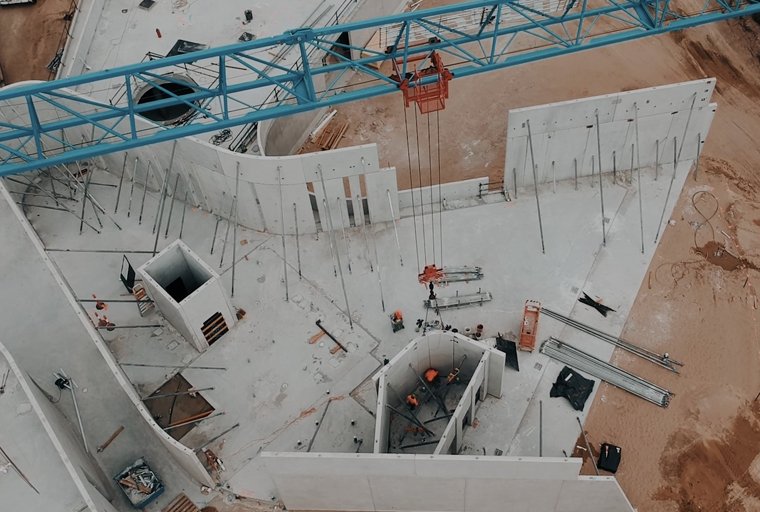
Precast concrete is different because it’s manufactured in a controlled factory environment. This “laboratory” setting offers three major defenses:
1. The Perfect Mix and Low Permeability
In a factory, the water-to-cement ratio is monitored by computers. By using a “dryer” mix and vibrating the molds to remove air bubbles, manufacturers create incredibly dense concrete. The denser the concrete, the harder it is for water and salt to penetrate.
2. Precise Rebar Placement
For concrete to resist “cancer,” the steel needs a specific amount of “cover” (the distance between the steel and the edge of the block). In precast plants, spacers and molds ensure the steel is exactly where it needs to be, preventing the “shallow rebar” issues common in hand-poured sites.
3. Accelerated Curing
Precast elements are often steam-cured. This high-heat environment allows the concrete to reach its maximum strength and chemical resistance much faster than air-drying on a job site.
The Million Dollar Question: Can Precast Get Concrete Cancer?
The short answer? Yes, but it’s much rarer.
Precast concrete isn’t magic; it’s still concrete. If a precast panel is poorly designed, uses low-quality aggregates, or is damaged during transport, it can still fall victim to the elements.
Common Vulnerabilities in Precast:
Joint Failures: The most usual point of entry isn’t the panel itself, but the joints where panels meet. If the sealant fails, water gets into the structural connections.
Transport Damage: A tiny hairline crack caused by a bumpy truck ride can be the “gateway” for moisture to reach the steel.
Coastal Environments: Even the best precast can struggle if it’s constantly sprayed with salt spray without a secondary protective coating.
How to Discover the Early Warning Signs
If you own or manage a property with precast panels, you don’t need to be an engineer to spot trouble. Keep an eye out for these things :
Rust Stains: Red or brown streaks appearing on the surface of the concrete.
Fine Cracking: “Map cracking” or long vertical fractures.
Bubbling Paint: If the render or paint looks like it’s lifting, there’s likely moisture and oxidation happening underneath.
Hollow Sounds: If you tap a section of concrete and it sounds “drummy” or hollow, the concrete has already detached from the steel.
Prevention: Better Safe Than Sorry
Fixing concrete cancer is an costly nightmare. It often involves chipping away the old concrete, treating the steel with chemicals, and patching it back up.
To avoid this, experts recommend preventative maintenance:
Silane Coatings: A clear, water-repellent treatment that lets the concrete “breathe” while keeping liquid water out.
Regular Inspections: Catching a small crack today costs hundreds; fixing a collapsed balcony costs hundreds of thousands.
Proper Drainage: Ensure water isn’t pooling against precast foundations or walls.
The Conlusion
Precast concrete is one of the best defenses we have against the structural decay known as concrete cancer. Its precision, density, and quality control make it vastly superior to traditional pour-on-site methods.
However, “low maintenance” doesn’t mean “no maintenance.” By choosing high-quality precast and keeping an eye on your joints and seals, you can ensure your structure stands strong for a century, rather than crumbling in a few decades.


Leave a Comment