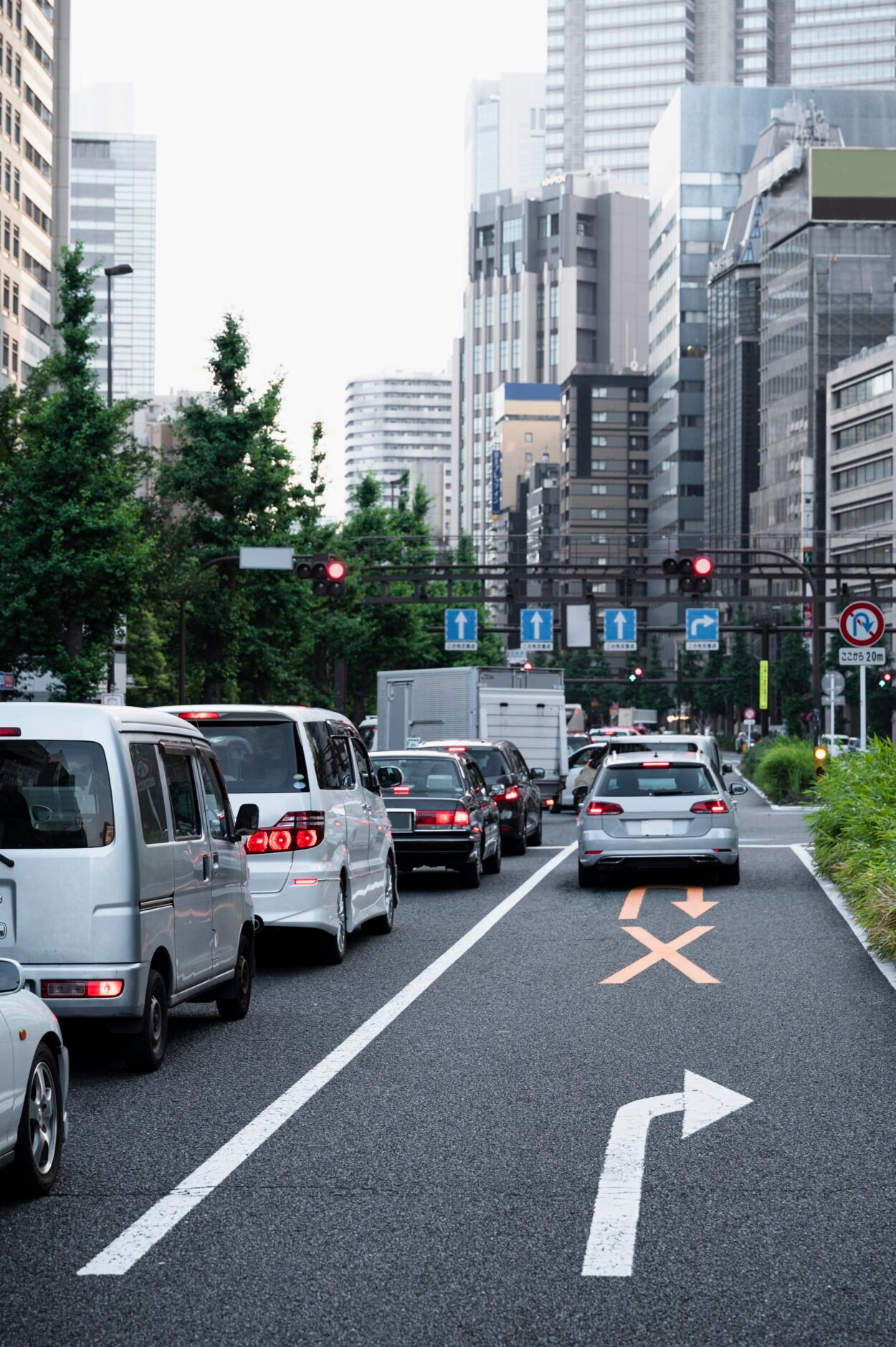
Busy roads are part of everyday life in Melbourne. From construction work to road repairs, there is always something happening that can affect traffic flow.
Without proper planning, these situations can quickly become unsafe. That’s why having a clear and simple traffic plan is so important for keeping everyone safe.
What Is a Traffic Management Plan?
A traffic management plan is a document that explains how traffic will be controlled around a worksite. It shows where signs, cones, and barriers should be placed.
It also helps drivers understand where to go and what to expect when they approach roadworks.
In simple terms, it is a guide that keeps traffic moving safely while work is being done.
Why Busy Roads Need Proper Planning
Melbourne roads can get very crowded, especially during peak hours. When roadwork is added into the mix, things can become confusing and dangerous.
Good planning helps to:
- Reduce confusion for drivers
- Keep workers safe
- Avoid traffic jams
- Lower the chance of accidents
Even a small mistake, like unclear signage, can cause big problems on a busy road.
How Planning Helps Reduce Risks
Planning ahead makes a big difference. It allows teams to prepare for different situations before they happen.
Clear Directions for Drivers
When drivers see clear signs early, they have time to slow down and follow directions. This reduces sudden stops and risky lane changes.
Safer Work Areas
A good plan creates a safe space between workers and traffic. This can include barriers, cones, and marked zones.
Better Traffic Flow
Planning helps keep vehicles moving smoothly. This reduces frustration and lowers the chance of road rage or careless driving.
The Role of a Traffic Management Plan in Melbourne
A Traffic Management Plan in Melbourne is especially important because of the city’s busy roads and strict safety rules.
Local councils and authorities often require these plans before a ny work can begin. This ensures that safety is taken seriously from the start.
Having a proper plan also makes it easier to get approvals quickly, saving time and effort.Simple Steps in Creating a Traffic Plan
Creating a traffic plan doesn’t have to be complicated. It usually involves a few key steps:
- Looking at the site – Understanding the road layout and traffic flow
- Identifying risks – Noting possible dangers for drivers and workers
- Planning control measures – Deciding where signs and barriers will go
- Reviewing the plan – Making sure it meets safety rules
Each step helps create a safer and more organised work environment.
Why Fast Planning Is Important
Sometimes projects need to start quickly. Waiting too long for a traffic plan can delay everything.
That’s why fast turnaround times are helpful. Getting a plan within a few hours means work can begin sooner and approvals can be handled faster.
Quick planning does not mean cutting corners. It simply means having an efficient process that delivers accurate results on time.
Saving Money with the Right Approach
Many people think traffic management is always expensive. But that’s not always true.
When you focus only on creating the plan, costs can be much lower. There’s no need to pay for extra services that may not be required.
This simple approach can help businesses save money while still meeting all safety requirements.
Important Note About Services
It’s also important to understand that some providers only create the plans and do not manage traffic on-site.
This means they focus completely on designing clear and accurate traffic guidance schemes. This specialised approach often leads to better quality plans and faster delivery.
Benefits of a Good Traffic Plan
A well-prepared traffic plan offers many advantages:
- Safer roads for everyone
- Better protection for workers
- Smoother traffic flow
- Faster project approvals
- Reduced delays and costs
These benefits make planning an essential part of any roadwork or construction project.
Keeping Everyone Safe
At the end of the day, safety is the main goal. Roads are shared spaces, and everyone has a role to play.
Drivers need clear directions. Workers need protection. Pedestrians need safe pathways.
A proper plan brings all of this together in a simple and organised way.
Conclusion
Managing traffic on busy roads doesn’t have to be stressful. With the right planning, risks can be reduced, and work can be carried out safely and smoothly.
If you are looking for simple, fast, and cost-effective traffic planning solutions, OnPoint TGS Plans can help you get the right plan in place when you need it.


Leave a Comment