



Ashtanga Vinyasa Yoga: A Complete Guide to Structure, Flow, and Benefits
Ashtanga Vinyasa Yoga is one of the most dynamic and disciplined forms of yoga practiced today. Combining the structure of traditional Ashtanga Yoga with the fluid movement of breath-based...

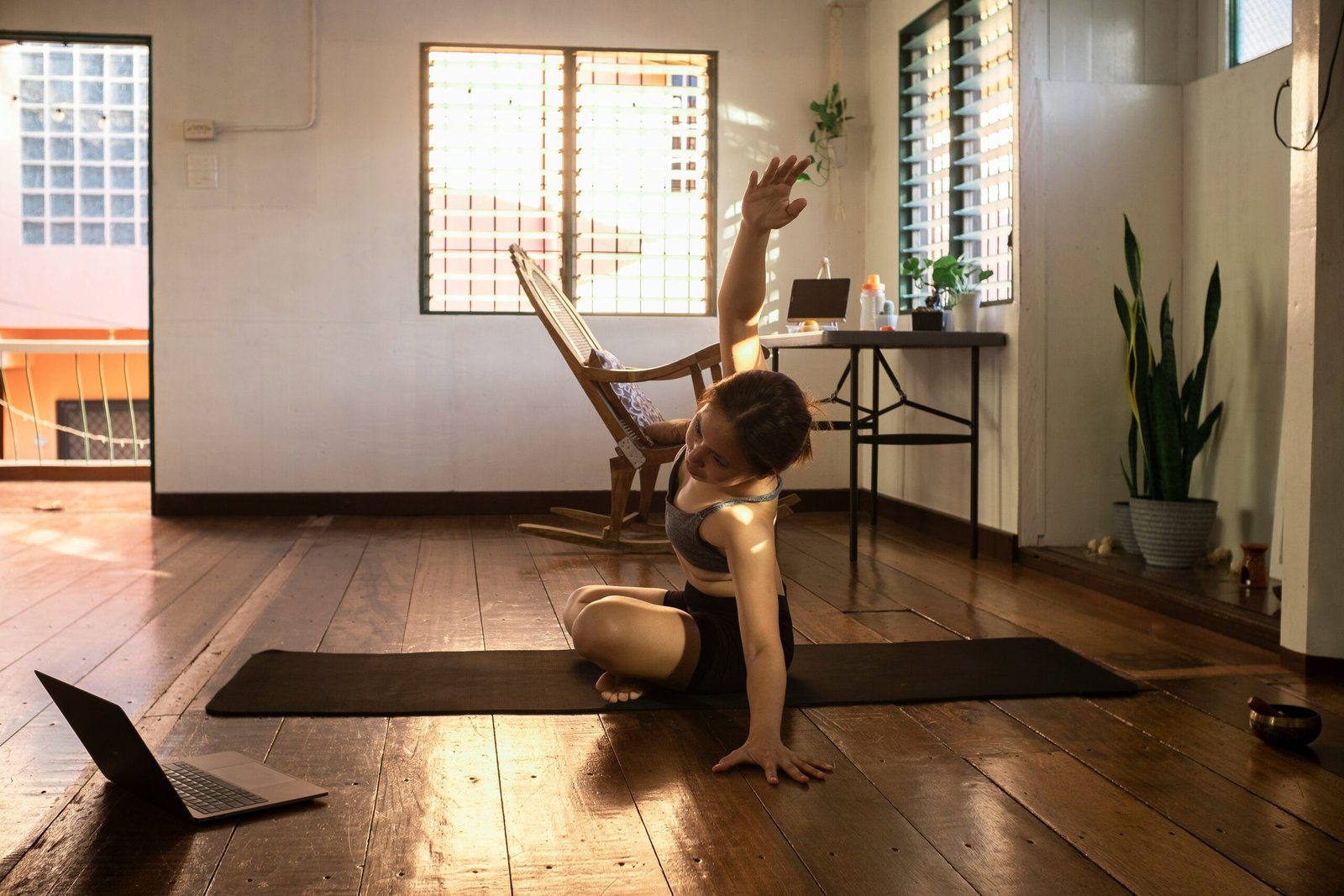
Ashtanga Vinyasa Yoga is one of the most dynamic and disciplined forms of yoga practiced today. Combining the structure of traditional Ashtanga Yoga with the fluid movement of breath-based transitions, this style offers a powerful blend of strength, flexibility, and mindfulness. Rooted in ancient yogic philosophy yet widely practiced in modern studios, Ashtanga Vinyasa Yoga is ideal for those seeking a physically engaging and spiritually enriching practice.
Table Of Content
- What is Ashtanga Vinyasa Yoga?
- The Foundation of Ashtanga Vinyasa Yoga
- Key Characteristics of Ashtanga Vinyasa Yoga
- Difference Between Ashtanga Vinyasa Yoga and Vinyasa Yoga
- Benefits of Ashtanga Vinyasa Yoga
- The Role of Breath in Ashtanga Vinyasa Yoga
- Who Should Practice Ashtanga Vinyasa Yoga?
- How to Start Practicing Ashtanga Vinyasa Yoga
- Why Ashtanga Vinyasa Yoga is Popular Today
- Conclusion
What is Ashtanga Vinyasa Yoga?
Ashtanga Vinyasa Yoga is a structured and traditional style of yoga that links breath with movement in a continuous flow. It is based on the teachings of Sri K. Pattabhi Jois and inspired by the philosophy of Patanjali. This practice follows a disciplined sequence of postures while maintaining a steady rhythm of breath.
Unlike free-form yoga styles, Ashtanga Vinyasa Yoga is known for its fixed sequences and progressive system. It integrates physical postures (asanas), breath control (pranayama), and concentration techniques to create a complete mind-body practice.
The defining feature of this style is the synchronization of breath with movement, creating a flowing meditation that connects body and mind.
The Foundation of Ashtanga Vinyasa Yoga
At its core, Ashtanga Vinyasa Yoga is rooted in the concept of the eight limbs of yoga. These include ethical principles, personal discipline, posture, breath control, sensory withdrawal, concentration, meditation, and ultimately, self-realization.
This philosophical foundation makes the practice more than just physical exercise. It encourages practitioners to cultivate discipline, awareness, and inner balance while progressing through the sequences.
In modern practice, Ashtanga Vinyasa Yoga is organized into a series of structured sequences, including the Primary Series, Intermediate Series, and Advanced Series. Each series builds upon the previous one, allowing practitioners to develop strength, flexibility, and control over time.
Key Characteristics of Ashtanga Vinyasa Yoga
Ashtanga Vinyasa Yoga stands out due to its unique combination of structure and flow. One of its main characteristics is the use of a fixed sequence of poses. Practitioners perform the same sequence repeatedly, which helps build consistency and discipline.
Another important feature is the emphasis on breath synchronization. Each movement is linked to either an inhalation or exhalation, creating a smooth and continuous flow. This connection between breath and movement transforms the practice into a moving meditation.
The practice also follows a steady pace and rhythm. Unlike other styles where the speed may vary, Ashtanga Vinyasa Yoga maintains a consistent tempo throughout the session. This helps build stamina and mental focus.
Additionally, traditional classes often incorporate Sanskrit terminology for counting and naming poses, preserving the authenticity of the practice.
Difference Between Ashtanga Vinyasa Yoga and Vinyasa Yoga
While Ashtanga Vinyasa Yoga and Vinyasa Yoga share common roots, they differ significantly in structure and approach.
Ashtanga Vinyasa Yoga follows a strict and traditional sequence. Practitioners repeat the same series in every class, allowing them to track progress and refine their practice. In contrast, Vinyasa Yoga is more flexible and creative, with sequences that change from class to class.
Another key difference is intensity. Ashtanga Vinyasa Yoga is generally more physically demanding due to its structured and repetitive nature. Vinyasa Yoga, on the other hand, can vary in intensity depending on the class and instructor.
Teaching style also differs between the two. Ashtanga classes are often self-led with guidance from a teacher, while Vinyasa classes are typically fully guided and may include music and creative transitions.
Benefits of Ashtanga Vinyasa Yoga
Practicing Ashtanga Vinyasa Yoga regularly offers numerous physical, mental, and emotional benefits.
Physically, it helps build strength, flexibility, and endurance. The continuous flow of movements engages multiple muscle groups, improving overall fitness and posture.
Mentally, the practice enhances concentration and reduces stress. The focus on breath and movement creates a meditative state, helping calm the mind and improve clarity.
Emotionally, it promotes discipline and self-awareness. The repetitive nature of the sequences encourages patience and consistency, which can positively impact other areas of life.
Additionally, Ashtanga Vinyasa Yoga supports cardiovascular health due to its dynamic and continuous flow, making it an effective full-body workout.
The Role of Breath in Ashtanga Vinyasa Yoga
Breath plays a central role in Ashtanga Vinyasa Yoga. The practice uses a specific breathing technique known as Ujjayi breath, which involves slow, controlled inhalations and exhalations.
This breathing technique helps regulate energy, maintain focus, and create a steady rhythm throughout the practice. By linking breath with movement, practitioners develop a deeper connection between the body and mind.
The emphasis on breath also helps improve lung capacity, reduce stress, and enhance overall well-being.
Who Should Practice Ashtanga Vinyasa Yoga?
Ashtanga Vinyasa Yoga is suitable for individuals who enjoy structured and disciplined practices. It is ideal for those who prefer routine and want to track their progress over time.
It is also beneficial for people looking for a physically challenging workout that builds strength and endurance. However, beginners may need guidance and patience, as the sequences can be demanding.
Those who appreciate traditional yoga practices and want to explore deeper aspects of yoga philosophy may find this style particularly rewarding.
How to Start Practicing Ashtanga Vinyasa Yoga
Starting Ashtanga Vinyasa Yoga requires commitment and consistency. Beginners are often encouraged to begin with the Primary Series, which focuses on building strength and flexibility.
It is important to learn the correct alignment and breathing techniques under the guidance of a qualified instructor. Practicing regularly, even for a short duration, can help build confidence and familiarity with the sequence.
Listening to your body is essential. Since this style can be physically demanding, it is important to progress gradually and avoid pushing beyond your limits.
Why Ashtanga Vinyasa Yoga is Popular Today
Ashtanga Vinyasa Yoga has gained popularity worldwide due to its balanced approach to fitness and mindfulness. It offers a structured routine for those seeking discipline while also providing the benefits of a dynamic, flowing practice.
In today’s fast-paced world, this style of yoga helps individuals develop focus, reduce stress, and maintain physical health. Its combination of tradition and modern appeal makes it suitable for a wide range of practitioners.
Conclusion
Ashtanga Vinyasa Yoga is a powerful and transformative practice that combines structure, discipline, and flow. By synchronizing breath with movement and following a progressive sequence of postures, it offers a complete system for physical fitness and mental clarity.
Whether you are looking to build strength, improve flexibility, or deepen your connection with yoga, Ashtanga Vinyasa Yoga provides a comprehensive path. With regular practice and dedication, it can help you achieve balance, awareness, and a deeper understanding of yourself.



No Comment! Be the first one.