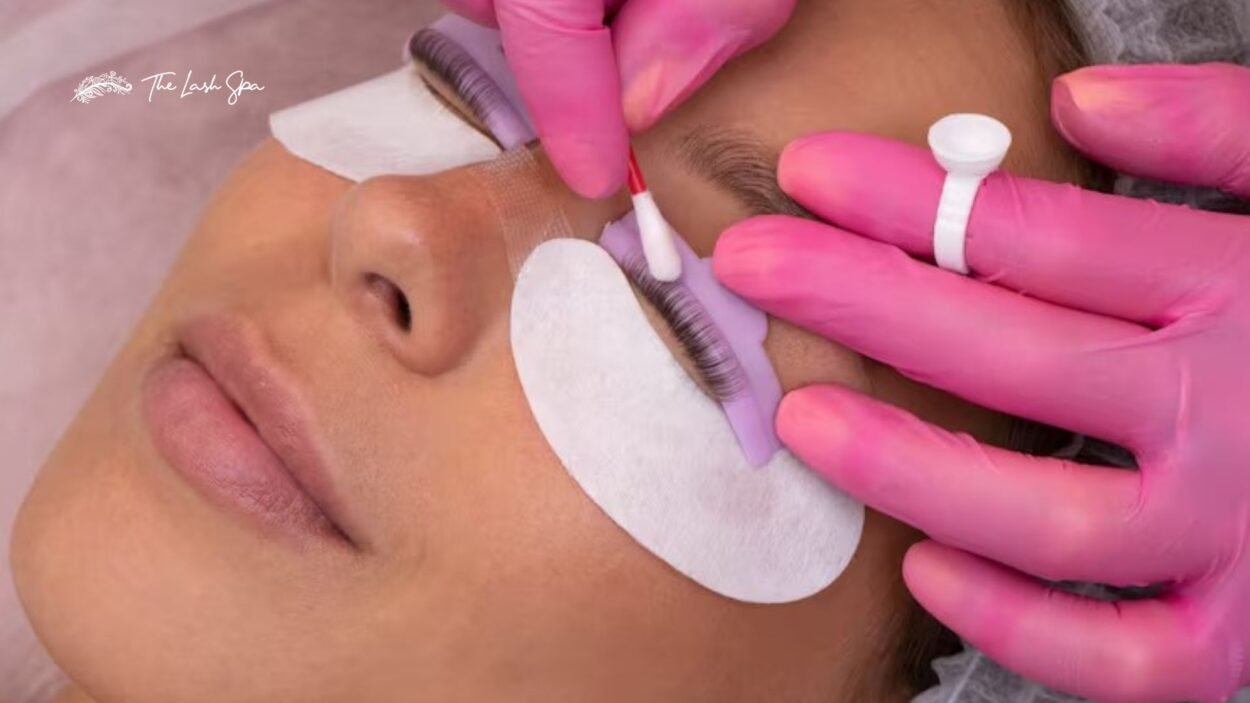
Lash lifts have transformed the way many women approach their daily beauty routines. This popular treatment curls and lifts natural lashes from the root, creating a wide-eyed, mascara-free look that lasts for weeks. Unlike extensions, which add length and volume with synthetic fibres, a lash lift enhances your own lashes without the daily upkeep. Women in bustling areas like the Gold Coast appreciate its low-maintenance appeal, fitting seamlessly into active lifestyles filled with beach days and outdoor adventures.
The question many clients ask is straightforward: how often should you schedule a lash lift to keep lashes looking their best? The answer depends on several factors, including lash growth cycles, treatment longevity, and individual eye health. Understanding these elements helps you maximise results while avoiding overuse. In this post, we will break it down step by step, based on insights from licensed cosmetologists and established beauty standards.
Understanding Lash Growth Cycles
Human eyelashes follow a natural growth cycle, much like hair on the scalp. Each lash has three phases: anagen for growth, catagen for transition, and telogen for resting or shedding. On average, eyelashes grow about 0.12 to 0.15 millimetres per day and reach full length in 4 to 10 weeks. The entire cycle spans 6 to 10 months, after which lashes shed and new ones emerge.
This cycle directly influences lash lift timing. A lift works by perming the lash from the base using a chemical solution, typically applied in a two-step process with a setting lotion and fixer. The curl holds until new growth pushes out the treated portion, usually 6 to 8 weeks. Scheduling refreshes too soon risks overlapping cycles, which can weaken the lash bed over time.
Cosmetologists recommend aligning treatments with this biology. Most experts, including those certified by the National Council on Qualifications for the Exam (NCQ) in Australia, suggest 2 to 4 sessions per year. This spacing allows full regrowth, preserving lash strength and preventing breakage.
Factors That Determine Your Ideal Frequency
Not every lash lift schedule fits a one-size-fits-all model. Personal factors play a key role in deciding how many times a year you need one.
Lash health comes first. Thick, resilient lashes from healthy follicles hold lifts longer, sometimes up to 10 weeks. Thinner or shorter lashes may see results fade in 4 to 6 weeks, calling for more frequent touch-ups within the yearly limit. Regular trims or conditioning masks can extend this window.
Lifestyle habits also matter. If you swim often in chlorinated pools or spend time in humid Gold Coast conditions, exposure to water and salt accelerates lift wear. Sweat from workouts or rubbing eyes during allergy season shortens the duration too. Protective aftercare, like oil-free mascaras and gentle cleansing, helps maintain the curl.
Skin and eye sensitivity influence timing as well. Those with oily skin or sensitive eyes might notice faster fading due to natural oils breaking down the perm. Patch tests before each session ensure safety, and professionals adjust formulas accordingly.
Age and hormones round out the list. Younger clients often enjoy faster growth cycles, needing lifts every 8 weeks or 6 to 7 times yearly if desired. Post-menopause, slower growth might limit you to 3 to 4 sessions. Consulting a technician helps tailor this to your biology.
Recommended Schedule: 3 to 6 Lifts Per Year
Based on industry standards from bodies like the Australian Society of Cosmetic Chemists, most women benefit from 3 to 6 lash lifts annually. Here’s why this range works.
Start with the baseline: every 8 weeks. That’s roughly 6 to 7 treatments in a year, ideal for maintaining consistent lift without overprocessing. This schedule matches the average lash growth phase, ensuring each session treats fresh, healthy hairs.
For conservative care, aim for 4 lifts spaced 10 to 12 weeks apart. This gives lashes ample recovery time, reducing risks like thinning or brittleness. Licensed estheticians often advise this for first-timers or those with delicate lashes.
Fewer sessions suit low-maintenance preferences. Two to three lifts per year provide seasonal refreshes, perfect if you alternate with other treatments like tints. Evidence from client studies by beauty brands shows satisfaction remains high even with spaced schedules, as long as aftercare supports longevity.
Overdoing it carries risks. More than 7 to 8 lifts annually can stress follicles, leading to temporary sparsity. Always prioritise professionals who follow hygiene protocols and use quality products to minimise damage.
Maximising Results Between Appointments
Frequency alone does not guarantee great outcomes. Smart habits extend each lift’s life.
Avoid oils for the first 24 to 48 hours post-treatment, as they dissolve the perm. Steer clear of waterproof makeup, saunas, and facials during the initial set.
Daily care includes lash serums with peptides and biotin to boost growth. Gentle brushing with a clean spoolie keeps curls defined. At night, sleep on your back to prevent crushing.
When the lift fades halfway, a tint refreshes the look without a full redo. This bridges gaps in your yearly schedule effectively.
Professional Tips for Long-Term Lash Health
Experienced technicians emphasise consultation. They assess your lashes under magnification, checking density and curl potential. Reputable salons document your history to track cycles accurately.
In Gold Coast, where sun and sea dominate, UV protection matters. Lash conditioners with SPF shield treatments from degradation.
For the best eyelash lift Gold Coast, choose certified pros who prioritise safety. They customise based on your needs, ensuring lifts are enhanced without harm.
Ultimately, listen to your lashes. If they feel weak, extend intervals. With 3 to 6 strategic sessions yearly, supported by solid aftercare, you’ll enjoy lifted, natural beauty year-round.
At The Lash Spa, we guide clients through personalised plans to achieve just that.
Would you like me to adjust the tone for a more casual vibe, add specific keywords, or expand on any section?


Leave a Comment