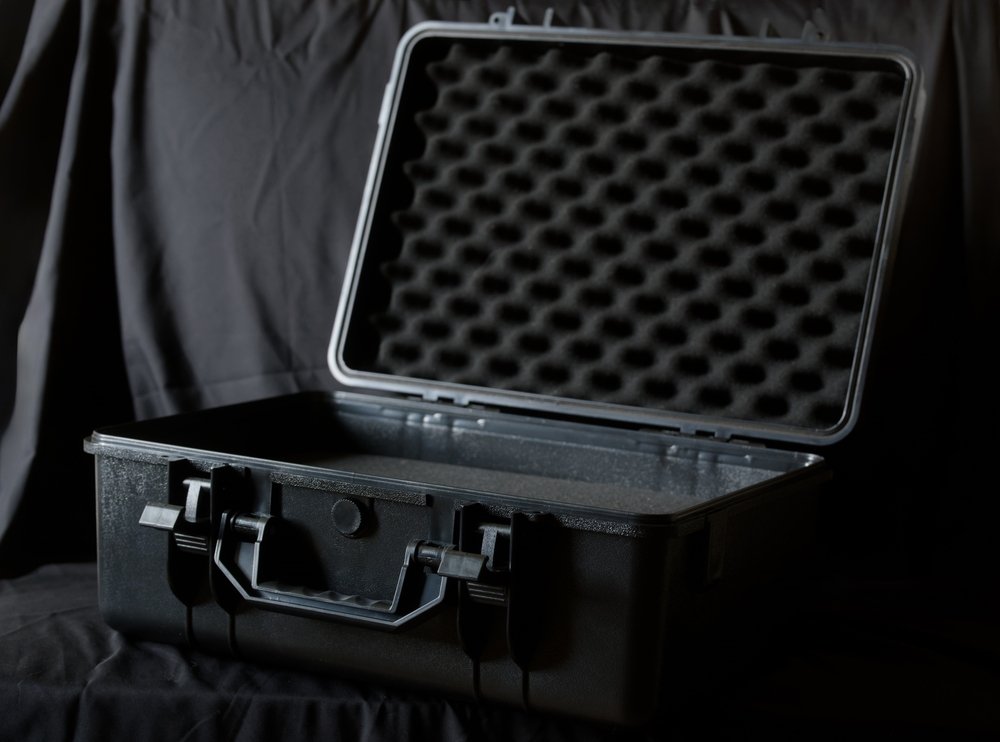
There’s a moment in every delivery cycle that rarely gets attention. A package is lifted, shifted, dropped a little harder than intended, stacked under weight, or sent across thousands of kilometers. Yet when it finally reaches its destination, the product inside sits untouched, intact, exactly as it should be. That quiet reliability often comes down to one thing—material choice. And increasingly, that material is hard foam.
Packaging today is no longer just about wrapping and shipping. It has become a precise balance of engineering, protection, and efficiency. As industries grow more demanding and logistics chains stretch further, materials need to perform under pressure. Hard foam, with its strength, lightweight structure, and adaptability, has steadily become a preferred solution across sectors.
This guide explores how hard foam is being used in modern packaging and protection systems, not just as a filler, but as a carefully designed component that ensures safety, reduces damage, and improves overall performance.
Understanding Hard Foam in Packaging
At its core, hard foam is designed for structural stability. Unlike softer foams that compress easily, it maintains its shape under pressure, distributing impact forces rather than absorbing them entirely. This makes it especially useful in situations where products need both cushioning and firm support.
Key Characteristics of Hard Foam
- High compressive strength
- Lightweight yet durable structure
- Resistance to moisture and environmental stress
- Excellent shock absorption with shape retention
- Customizable density and thickness
These qualities allow manufacturers to tailor packaging solutions that are both protective and efficient.
Why Packaging Needs Have Changed
A decade ago, packaging often relied on bulk materials—cardboard, paper fillers, or loose cushioning. Today, expectations are different. Products are more delicate, supply chains are longer, and customers expect near-perfect delivery conditions.
Factors Driving Advanced Packaging Solutions
- Growth in e-commerce and long-distance shipping
- Increased handling during transit
- Demand for lightweight yet protective materials
- Need for cost efficiency in logistics
- Rising focus on sustainability and waste reduction
These shifts have pushed industries toward smarter, engineered materials like hard foam.
The Role of Hard Foam Sheet in Modern Packaging
A hard foam sheet is not just a layer of protection. It acts as a structural element within packaging systems. Its flat, uniform form allows for precise cutting and shaping, making it ideal for custom-fit solutions.
Applications of Hard Foam Sheet
- Protective layering for fragile electronics
- Cushioning panels for appliances and machinery
- Edge protection for glass and delicate surfaces
- Structural inserts for industrial packaging
- Shock-absorbing bases for heavy equipment
Because it can be cut into exact dimensions, a hard foam sheet reduces unnecessary material use while improving fit and protection.
Industry Applications of Hard Foam in Packaging
Hard foam is used across a wide range of industries, each with its own set of challenges and requirements.
1. Electronics and Consumer Goods
Electronic devices require protection from both impact and static pressure. Even minor shocks can affect internal components.
How Hard Foam Helps:
- Provides stable cushioning without excessive compression
- Maintains spacing between components
- Reduces vibration during transport
- Protects sensitive surfaces from scratches
2. Automotive and Industrial Equipment
Heavy machinery and automotive parts demand packaging that can handle weight and movement without failure.
Key Benefits:
- Supports heavy loads without deformation
- Absorbs shocks from handling and transit
- Protects irregularly shaped components
- Ensures safe stacking and storage
3. Glass and Fragile Materials
Glass products require precise handling. Even slight pressure points can cause damage.
Protective Features:
- Even distribution of pressure
- Edge and corner reinforcement
- Non-abrasive surface contact
- Custom-fit inserts for secure positioning
4. Medical Equipment and Precision Instruments
In medical logistics, there is little room for error. Equipment must arrive in perfect condition.
Advantages:
- Sterile-friendly material options
- High-impact resistance
- Consistent performance under varying conditions
- Secure positioning during transport
Comparing Packaging Materials
To understand the value of hard foam, it helps to compare it with commonly used alternatives.
| Material | Strength | Weight | Customization | Shock Protection | Durability |
| Cardboard | Moderate | Light | Limited | Low | Moderate |
| Thermocol | Low | Very Light | Basic | Moderate | Low |
| Bubble Wrap | Low | Light | Flexible | Moderate | Low |
| Hard Foam | High | Light | High | High | High |
This comparison highlights why hard foam is increasingly chosen for high-value or sensitive products.
Designing Smart Packaging with Hard Foam
Packaging today is not just about materials. It is about design. The way foam is cut, layered, and positioned makes a significant difference.
Key Design Principles
- Precision Fit: Ensures minimal movement inside packaging
- Layered Protection: Combines multiple foam densities if needed
- Weight Distribution: Prevents pressure concentration
- Ease of Handling: Allows quick packing and unpacking
- Material Efficiency: Reduces waste without compromising safety
A well-designed foam structure can reduce damage rates significantly, often more than adding extra layers of generic packaging.
Operational Benefits for Businesses
Beyond protection, hard foam contributes to operational efficiency in subtle but important ways.
Cost and Efficiency Advantages
- Reduces product damage and returns
- Lowers overall packaging weight and shipping costs
- Speeds up packing processes with pre-cut designs
- Minimizes material waste
- Enhances brand perception through secure delivery
Over time, these advantages translate into measurable savings and improved customer satisfaction.
Sustainability Considerations
Sustainability is becoming central to packaging decisions. While foam materials are often questioned, modern manufacturing approaches are addressing these concerns.
Sustainable Practices in Foam Packaging
- Use of recyclable and reusable foam materials
- Optimized designs that reduce material usage
- Longer lifecycle compared to disposable fillers
- Reduced carbon footprint through lightweight shipping
The focus is shifting toward smarter use rather than excessive use.
Future Trends in Foam-Based Packaging
Packaging is evolving alongside technology. Hard foam continues to adapt to new demands and innovations.
Emerging Developments
- CNC-cut foam designs for precise industrial applications
- Integration with smart packaging systems
- Hybrid materials combining foam with sustainable alternatives
- Enhanced durability for extreme logistics environments
- Improved recyclability and eco-friendly formulations
These trends indicate a move toward more intelligent and efficient packaging systems.
When to Choose Hard Foam Over Other Materials
Not every product requires hard foam, but certain situations clearly benefit from it.
Ideal Use Cases
- High-value or fragile items
- Long-distance or international shipping
- Products with irregular shapes
- Heavy equipment requiring structural support
- Situations where consistent protection is critical
Understanding these scenarios helps businesses make informed packaging decisions.
Conclusion
In a world where products travel farther and expectations are higher, packaging has quietly become a science of precision. Materials are no longer chosen for convenience alone—they are selected for performance, reliability, and long-term efficiency. In this evolving landscape, hard foam has established itself as a dependable solution, balancing strength, adaptability, and protection.
From custom inserts to structural packaging systems, its applications continue to expand across industries. As innovations progress and materials improve, the role of foam in packaging will only become more refined. Advanced solutions, including specialized materials like reticulated foam, are already shaping the next phase of protective design.
For businesses looking to combine safety with efficiency, companies like Sheela Foam continue to contribute to this evolving space, offering solutions that align with modern packaging demands while ensuring products reach their destination exactly as intended.


Sign up