Quality waterproofing in the Philippines is not a one-size-fits-all solution. The decision between polyurethane and acrylic depends on your specific budget and the building’s physical demands.
Waterproofing in the Philippines: Polyurethane vs. Acrylic Coatings
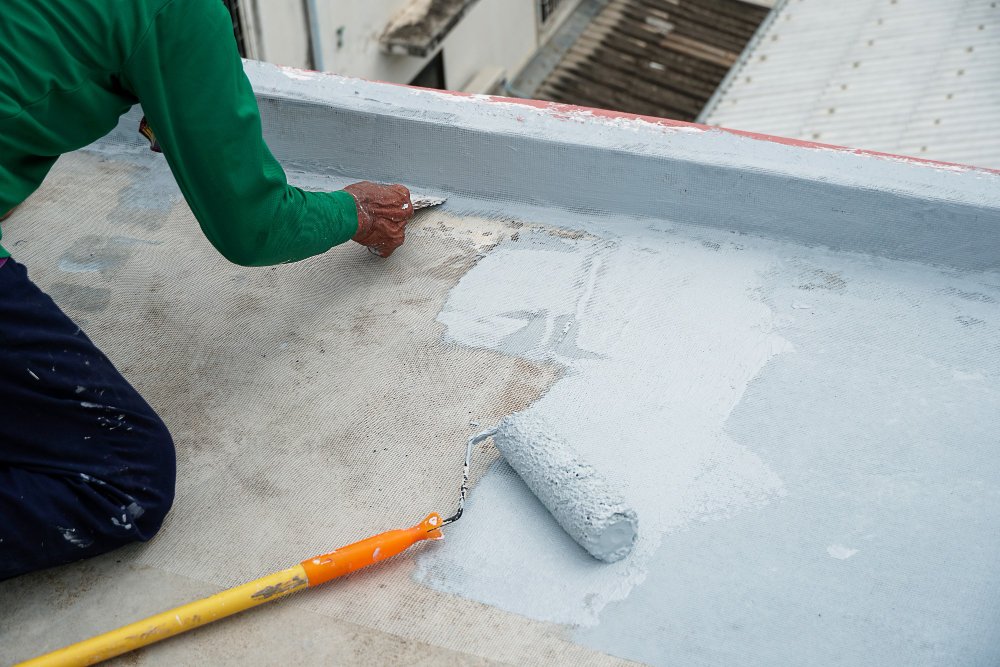
If you want to protect your building’s structure, you’ll need a clear comparison between the most common liquid-applied membranes available today. While both materials serve as a barrier against rain, they react quite differently to the extreme heat and humidity found throughout the country. And that’s why investing in the right type of waterproofing in the Philippines depends on the specific demands of the area you need to seal.
The Basic Composition of Acrylic Coatings
Acrylic membranes are water-based products that consist of high-quality resins mixed with various fillers and pigments. These coatings are easy to apply and clean up without the need for harsh chemical solvents or thinners. They’re a reliable entry-level barrier for surfaces that don’t experience heavy foot traffic or constant standing water.
Exploring Polyurethane Membrane Properties
Polyurethane is a high-performance polymer that creates a much tougher and more elastic shield than standard acrylics. This material bonds aggressively to concrete surfaces and can handle significant structural movement without tearing or cracking. It’s often the preferred option for heavy-duty applications where long-term durability is the primary goal.
Comparing Elasticity and Flexibility
Polyurethane stands out because it can stretch several times its original length before it eventually breaks. This high elongation is helpful for waterproofing because buildings constantly expand and contract due to thermal stress. Acrylics also offer flexibility, but they tend to become brittle much faster when exposed to the same conditions.
Resistance to Ponding Water
Acrylic coatings are generally breathable and can degrade if water sits on top of them for several days at a time. Polyurethane is much more resistant to standing water, making it the safer option for flat roof decks with poor drainage. Using the wrong material on a ponding surface often leads to early peeling and system failure.
UV Resistance and Solar Exposure
Acrylics naturally resist damage from ultraviolet rays and can maintain their color and integrity for several years in the sun. Many polyurethane coatings require an additional UV-resistant topcoat to prevent them from becoming chalky or yellow over time. However, modern hybrid polyurethanes now include built-in protection to handle the intense tropical sunlight better than older versions.
Adhesion Strength on Concrete
Polyurethane typically offers superior adhesion and creates a chemical bond with the substrate that is very difficult to break. Acrylics rely more on a mechanical bond, which means the concrete surface needs to be perfectly porous and clean for the material to stick. Inadequate surface preparation will cause acrylic paint to flake off far sooner than a polyurethane membrane.
Ease of Application and Labor
Acrylic is a user-friendly product that can be applied by almost anyone with a brush, roller, or airless sprayer. Polyurethane often requires more skill because it has a thicker consistency and shorter drying times during the hot afternoon. The simpler application process for acrylics usually leads to lower labor costs for the entire project.
Chemical and Abrasion Resistance
Polyurethane creates a hard-wearing surface that can withstand light foot traffic and occasional chemical spills without damage. This makes it ideal for balconies or service decks where people might need to walk for maintenance tasks. Acrylic is a softer material that can easily be scratched or worn away by frequent movement or abrasive debris.
Drying Times and Project Speed
Acrylic coatings dry very quickly, allowing workers to apply multiple layers within a single day if the weather is clear. Polyurethane takes longer to cure fully and often requires a specific window of time between coats to achieve the best bond. Rain during the curing process is much more damaging to an uncured polyurethane layer than it’s to acrylic.
Cost Analysis for Each System
Acrylic remains the most budget-friendly option for large-scale projects or simple vertical wall applications. Polyurethane carries a higher price per liter, but its longer lifespan often makes it more economical over the years. And if the system fails prematurely, weigh the initial savings of acrylic against the potentially higher repair costs.
Suitability for Roof Decks
Roof decks are the most challenging areas for waterproofing because they face the harshest weather conditions. Polyurethane is the standard recommendation for these flat surfaces because it handles the combination of heat, rain, and weight. Acrylic is better suited for sloped roofs or walls where water runs off immediately.
Maintenance and Re-coating Procedures
Both systems require periodic inspections to look for punctures or signs of wear and tear. Acrylic is very easy to patch by simply cleaning the area and applying a fresh layer of the same product. Polyurethane repairs are more complex because the new material might not bond well to an old, weathered surface without special primers.
Key Takeaway
The decision between polyurethane and acrylic really depends on your specific budget and the physical demands placed on the building. Because quality waterproofing in the Philippines is not a one-size-fits-all solution. It’s a targeted application of the right chemistry. Just remember, if you invest in the correct solution, you’re preventing expensive leaks and structural damage tomorrow.


Leave a Comment