


Polyurethane Flooring in the Philippines For Schools
Polyurethane flooring in the Philippines serves as a reliable and versatile option for modern schools and universities.

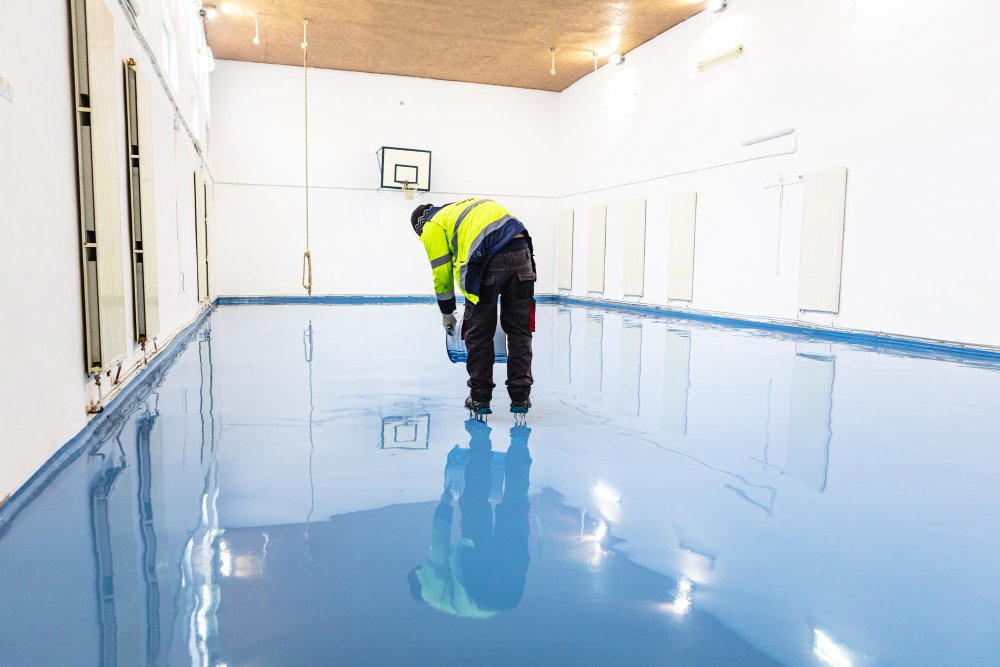
Educational institutions require durable surfaces that can withstand constant use while maintaining a clean appearance. The installation of polyurethane flooring in the Philippines provides a flexible and resilient solution for classrooms, hallways, and athletic facilities. This material offers long-lasting protection against daily wear and tear in a high-density academic environment.
Table Of Content
- Superior Flexibility and Impact Resistance
- Acoustic Benefits for Learning Environments
- Resistance to Scratches and Scuffs
- Ideal Solutions for Indoor Gymnasiums
- Thermal Stability in Tropical Climates
- Chemical Resistance in Science Laboratories
- Hygienic and Seamless Surfaces
- Moisture Protection During Rainy Seasons
- Easy Maintenance and Cleaning Routines
- Aesthetic Versatility and Color Coding
- Long-term Cost Effectiveness
- Slip Resistance and Campus Safety
- Fast Installation for School Breaks
- Resistance to Ultraviolet Light
- Durability Under Heavy Equipment
- Key Takeaway
Superior Flexibility and Impact Resistance
Polyurethane materials are known for their elastic properties compared to traditional hard coatings. This flexibility allows the floor to absorb the impact of dropped items or heavy furniture without cracking. Students and faculty benefit from a surface that yields slightly under pressure, reducing physical fatigue during long school days.
Acoustic Benefits for Learning Environments
Noise reduction is a significant factor in designing productive spaces for study and lectures. This type of flooring helps dampen the sound of footsteps and moving chairs in crowded corridors. A quieter atmosphere supports better concentration and reduces distractions in neighboring classrooms.
Resistance to Scratches and Scuffs
High volumes of student traffic often lead to unsightly marks on standard floor finishes. The tough outer layer of this resin system resists scratches caused by sand, grit, and dragged backpacks. Maintaining a polished look becomes much easier for janitorial staff even in the most active parts of the campus.
Ideal Solutions for Indoor Gymnasiums
Multi-purpose courts in universities need a balance of traction and shock absorption. Polyurethane is a preferred choice for basketball and volleyball courts due to its uniform grip. Athletes can perform quick movements safely on a surface designed to prevent slips and joint strain.
Thermal Stability in Tropical Climates
The high humidity and heat of the region can cause some construction materials to warp or peel. Polyurethane remains stable across a wide range of temperatures and does not become brittle over time. This durability makes it a practical investment for schools that do not have centralized cooling in all areas.
Chemical Resistance in Science Laboratories
Spills are common in chemistry and biology labs where students conduct various experiments. This resin finish provides a protective barrier against many mild acids, alkalis, and cleaning agents. Rapid cleanup of accidental leaks prevents permanent staining or damage to the underlying concrete slab.
Hygienic and Seamless Surfaces
Traditional tiles have grout lines that can harbor bacteria and accumulated dust. A seamless pour creates a continuous surface that is much easier to sanitize with standard disinfectants. This feature is particularly helpful in school cafeterias and clinics where cleanliness is a top priority.
Moisture Protection During Rainy Seasons
Water tracked in from outside can seep into porous floor materials and cause mold growth. The non-porous nature of this coating prevents liquid penetration and protects the structural integrity of the building. Schools can maintain a dry and safe indoor environment even during the peak of the monsoon months.
Easy Maintenance and Cleaning Routines
Large campuses require floor systems that do not demand complex or expensive upkeep. Simple mopping with a mild detergent is usually enough to keep the surface looking brand new. The time saved on maintenance allows school administrators to allocate resources to other educational needs.
Aesthetic Versatility and Color Coding
Resin floors can be customized with various colors and patterns to match school branding. Different shades can be used to designate specific areas like faculty zones, student lounges, or emergency exits. This visual organization helps direct the flow of traffic in large university buildings.
Long-term Cost Effectiveness
While the initial installation requires a budget commitment, the extended lifespan offers great value. Reduced repair costs and fewer replacements result in a lower total cost of ownership over several decades. Educational boards often prefer this material for its ability to stretch the value of every peso spent.
Slip Resistance and Campus Safety
Safety is a primary concern for administrators who must protect thousands of students every day. Anti-slip additives can be mixed into the topcoat to provide extra grip in wet or high-speed areas. These textured finishes help prevent accidents on stairs and in high-traffic lobbies.
Fast Installation for School Breaks
Renovations need to be typically be completed during the short window of summer or semestral vacations. Professional applicators can finish large areas in a relatively short timeframe to avoid disrupting the academic calendar. The floor cures efficiently, allowing the school to reopen on schedule without lingering odors.
Resistance to Ultraviolet Light
Corridors with large windows are often exposed to direct sunlight throughout the day. High-quality polyurethane coatings include UV inhibitors that prevent yellowing or fading from sun exposure. This feature ensures that the floor maintains its original color even in bright, open hallways.
Durability Under Heavy Equipment
Libraries and media centers often house heavy shelving units and computer desks. The compressive strength of this resin prevents indentations from forming under the weight of stationary objects. Moving heavy equipment during seasonal reorganizations does not pose a threat to the floor finish.
Key Takeaway
When it comes to the floors of educational facilities, safety, durability, and ease of care should always be considered. Polyurethane flooring in the Philippines serves as a reliable and versatile option for modern schools and universities. Investing in this flooring provides a functional foundation that supports the academic success and well-being of the entire student body.




No Comment! Be the first one.