


How to Train BJJ While Traveling to Stay Sharp and Roll on the Road
Train BJJ The art of Brazilian Jiu-Jitsu is a journey that often transcends the walls of your home academy. For many practitioners, the idea of leaving their mats for a week or more during a vacation...

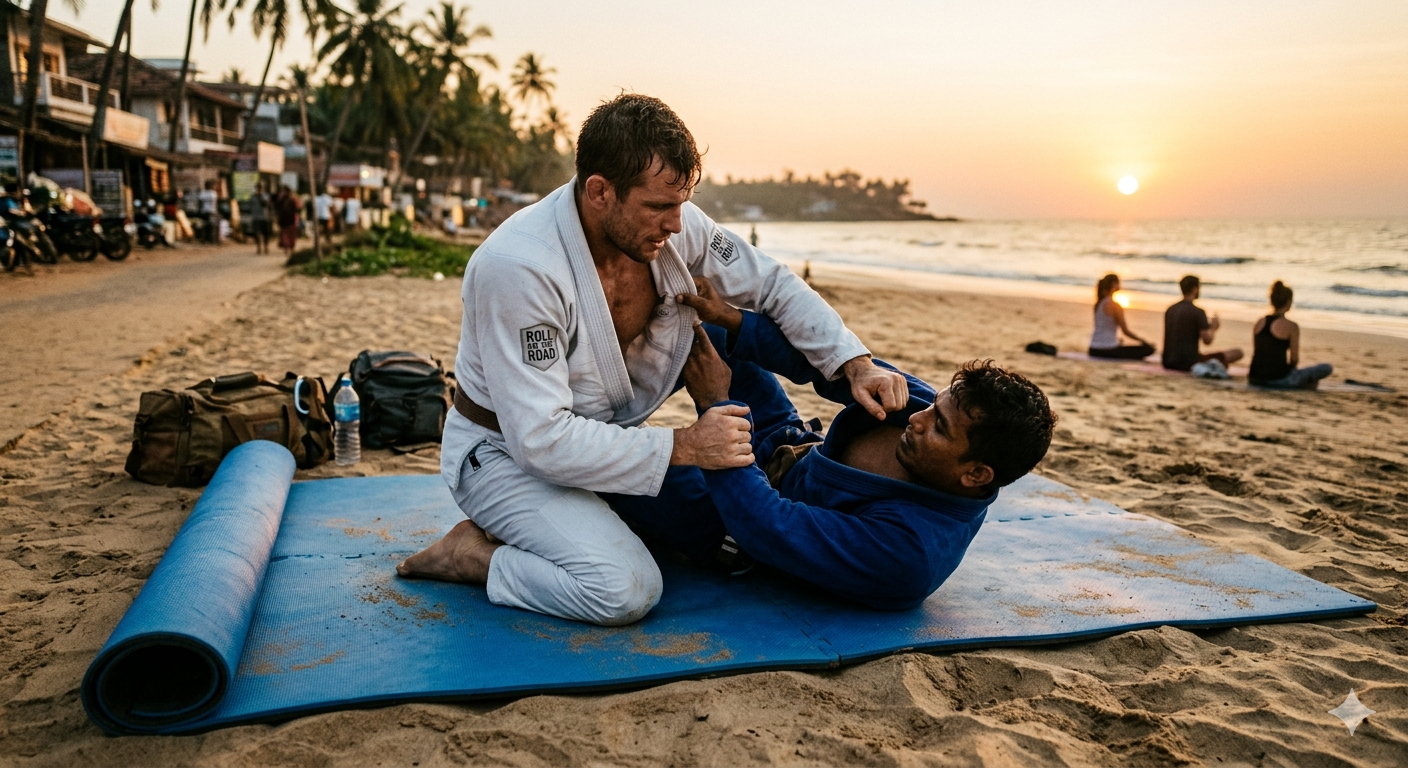
Train BJJ
The art of Brazilian Jiu-Jitsu is a journey that often transcends the walls of your home academy. For many practitioners, the idea of leaving their mats for a week or more during a vacation or business trip feels like a missed opportunity for growth. However, the modern era of the “BJJ Globetrotter” has proven that traveling is not an obstacle to progress; rather, it is a catalyst for it. By stepping onto foreign mats, you expose your game to different styles, body types, and philosophies that you simply cannot find by staying in one place. Whether you are navigating the humid streets of Rio de Janeiro or the bustling centers of Tokyo, the “gentle art” provides a universal language that allows you to connect with people across the globe.
Table Of Content
- Train BJJ
- Understanding the Roots and Global Reach of BJJ
- Preparing for the Road: Logistics and Gear
- 1. The Lightweight Gi and No-Gi Alternatives
- 2. The Logistics of Hygiene
- 3. Research and Outreach
- Navigating Mat Etiquette and Social Dynamics
- The “Silent Guest” Protocol
- Safety and Intensity
- Staying Sharp Without a Gym
- Conclusion and Your Next Steps
Training BJJ while traveling requires more than just throwing a gi into a suitcase. It demands strategic planning, an understanding of international mat etiquette, and a commitment to hygiene and health. This guide will walk you through the essential steps to ensure your “rolling on the road” experience is productive, respectful, and, most importantly, consistent with your long-term goals.
Understanding the Roots and Global Reach of BJJ
To truly appreciate the experience of training abroad, one must understand the foundation of the sport. Brazilian Jiu-Jitsu (BJJ) is a martial art and combat sport that focuses on grappling and ground fighting. As defined by Wikipedia, the art was developed from the fundamentals of Kodokan Judo and evolved into a system that allows a smaller, weaker person to defend against a larger adversary through leverage and technique.
This history of travel is actually baked into the DNA of the sport. Mitsuyo Maeda, the Japanese judoka who taught the Gracie family, was himself a traveler who moved across the globe to demonstrate the effectiveness of his art. Today, that tradition continues through a massive global network of academies. In the current landscape of 2026, combat sports tourism has become a significant trend. According to Google News, sports tourism is increasingly focused on niche communities where travelers seek “active vacations” that prioritize skill development and physical fitness over sedentary leisure.
Preparing for the Road: Logistics and Gear
The success of your training trip begins long before you reach the airport. Packing for BJJ is a unique challenge, especially when dealing with limited luggage space and the logistical nightmare of drying a heavy cotton gi in a hotel room.
1. The Lightweight Gi and No-Gi Alternatives
Standard double-weave gis are heavy and take forever to dry. If you plan to train while traveling, invest in a lightweight “travel gi” or a ripstop version. These are specifically designed to be compact and quick-drying. If the academy you are visiting allows it, consider focusing on No-Gi training. Rash guards and grappling shorts take up minimal space and can be washed in a hotel sink and dried overnight.
2. The Logistics of Hygiene
Skin infections like ringworm or staph can ruin a trip and, more importantly, disrespect the host academy. Always pack a small travel bottle of antifungal soap and a dedicated laundry bag for your used gear. Never let a sweaty gi sit in your suitcase; if you cannot wash it immediately, hang it up to air out.
3. Research and Outreach
Do not just show up at a gym unannounced. Professional sites like PirateBJJ emphasize the importance of communication. Send a polite email or Instagram message a few days before your arrival. Ask about:
- Mat fees (drop-in rates)
- Uniform requirements (some academies require a white gi or their own team patches)
- The class schedule for your specific skill level
Navigating Mat Etiquette and Social Dynamics
Every BJJ academy has its own “vibe,” but certain universal rules of respect apply everywhere. When you are a guest, you are a representative of your home instructor and the sport as a whole.
The “Silent Guest” Protocol
When you enter a new gym, observe first. See if students bow before stepping onto the mat or if they line up by rank. When it comes to rolling, it is often best to let the locals dictate the pace. Do not walk into a new gym trying to “win” every round or prove that your home academy is superior. This is a time for learning, not ego.
Safety and Intensity
Traveling puts a different kind of stress on your body. Jet lag, different diets, and the physical toll of sightseeing can make you more prone to injury. Tap early and tap often. Your goal is to return home with more knowledge, not a torn ligament. If you are rolling with a higher belt, focus on defense and transitions rather than forcing submissions.
Staying Sharp Without a Gym
Sometimes, your travels take you to locations where a BJJ academy is simply not available. This does not mean your training has to stop. You can stay sharp through solo drills and mobility work that mimics the movements of grappling.
- Shrimping and Technical Stand-ups: These can be done in any hotel room with enough floor space.
- Shadow Wrestling: Focus on your footwork and level changes.
- Mobility Routines: Use this time to work on the hip and shoulder flexibility that often gets neglected during a heavy training camp at home.
Consistency is the key to BJJ. Even fifteen minutes of movement daily keeps the neural pathways for grappling active, making your transition back to the mats much smoother when you return home.
Conclusion and Your Next Steps
Training BJJ while traveling is one of the most rewarding ways to experience the world. It provides an instant community and a shared purpose that breaks through cultural barriers. By focusing on preparation, hygiene, and respect, you can ensure that your time on the road enhances your game rather than stalling it.





No Comment! Be the first one.