


How to Choose the Best Concrete Core Bits for Precision Drilling
Summary: Choosing the right concrete core bit depends on material type, segment quality, size, and drilling setup. The right selection ensures clean holes, stable performance, and longer tool life....

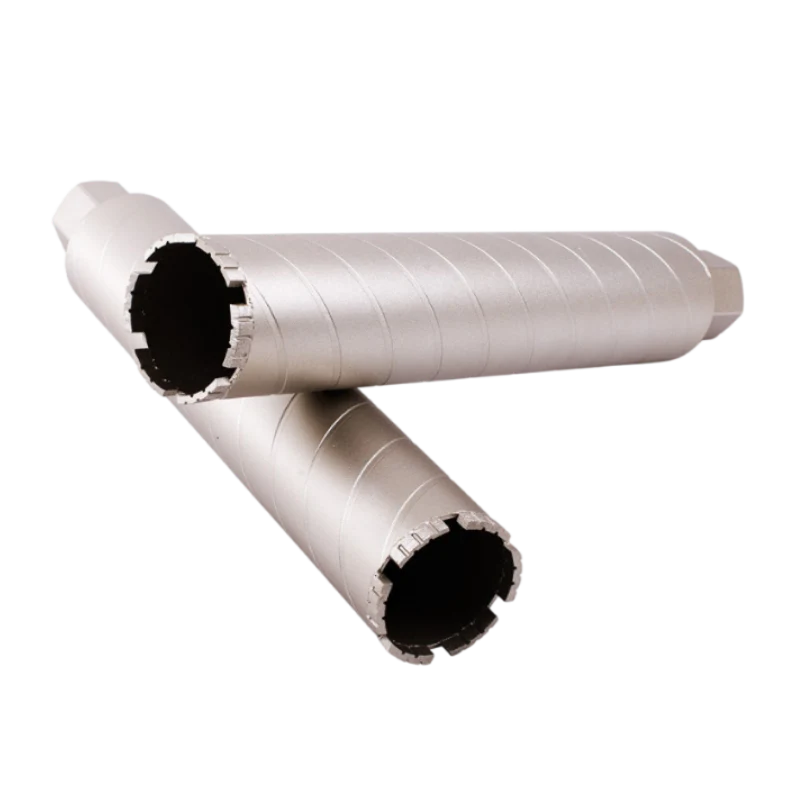
Concrete drilling leaves very little room for error once the cut begins. Once you start the cut, the bit decides how the rest of the job goes—speed, accuracy, finish, and even how hard your machine has to work.
Choose what fits your work—not just what looks good on paper.
Get the right concrete core bits, and the drilling stays controlled from start to finish.
This isn’t about picking the most expensive option. It’s about choosing what actually works for your setup and your material.
How to Choose the Best Concrete Core Bits for Precision Drilling
Bond type determines how quickly new diamonds are exposed. Hard materials require softer bonds, while abrasive materials need harder bonds.
1. Start With What You’re Drilling Into
Not all concrete behaves the same.
Some jobs involve plain concrete. Others include heavy reinforcement, dense aggregate, or mixed material layers. Each one changes how the bit performs.
Concrete core bits are designed to handle these conditions using diamond segments that grind through the surface instead of cracking it.
Why it matters:
- Reinforced concrete increases resistance
- Hard aggregates slow cutting speed
- Mixed materials create an uneven load on the bit
If you ignore material conditions, no bit will perform the way it should.
2. Focus on Diamond Segment Quality
The segment is where the real work happens.
Concrete core bits from Tait Sales are built with diamond segments designed for consistent cutting and controlled wear. That’s what keeps the bit working instead of slowing down mid-cut.
You’ll typically see:
- Segments designed for smooth entry
- Proper diamond concentration and bond hardness control cutting speed and wear rate for steady cutting
- Construction that supports long drilling cycles
Why it matters:
- Poor segments glaze quickly
- Inconsistent diamonds lead to rough holes
- Weak segments wear out before the job is done
If the segment isn’t right, nothing else matters.
3. Match the Bit Diameter to the Application
Core bits are available in multiple diameters depending on the hole size required.
It sounds simple. It’s often done wrong.
Larger bits don’t just cut bigger holes—they increase load on the machine and reduce cutting speed.
Why it matters:
- Bigger diameter = more resistance
- Smaller diameter = faster, more stable cuts
- Oversized bits strain the drill unnecessarily
Choose the exact size you need. Not larger. Not “just in case.”
4. Check Cutting Depth and Bit Length
Not every job needs the same drilling depth.
Concrete core bits are designed with specific cutting depths to match different applications. Using the wrong length affects both stability and performance.
Why it matters:
- Short bits improve control
- Longer bits allow deeper drilling but require better alignment
- Excess length increases vibration
Use what the job demands. Nothing more.
5. Understand Wet Drilling Setup
Most concrete core bits are designed for wet drilling.
For most concrete core drilling, especially with diamond bits, water is essential. It controls heat, reduces friction, and helps clear debris during the cut.
Why it matters:
- Keeps segments from overheating
- Maintains cutting efficiency
- Extends tool life
Without proper water flow, even a high-quality bit will fail early.
6. Match the Bit to Your Machine
This is where delays happen.
Core bits come with specific connection types. If it doesn’t match your drill, the job stops before it starts.
Tait Sales core bits are built for standard compatibility, but that doesn’t mean every setup is the same.
Why it matters:
- Incorrect fit leads to instability
- Adapters reduce performance
- Poor connection increases vibration
Check your machine specs first. Then choose the bit.
7. Balance Speed and Control
Everyone wants faster drilling. That’s where mistakes happen.
Pushing speed too far creates heat, reduces segment life, and affects hole quality.
Concrete core bits are designed to maintain controlled cutting under steady pressure—not forced speed.
Why it matters:
- Too much speed = overheating
- Too little speed = inefficient cutting
- Inconsistent pressure = uneven results
Let the bit do the work. Don’t force it.
8. Look at Build Quality, Not Just Specs
On paper, most core bits look similar.
In practice, build quality shows up quickly.
Tait Sales offers concrete core bits built with durable steel bodies and secure segment bonding designed to handle real job conditions, not just ideal ones.
Why it matters:
- Weak bodies flex under load
- Poor bonding leads to segment loss
- Inconsistent build affects drilling accuracy
If the bit can’t stay stable, the hole won’t be either.
9. Watch Performance During Use
You don’t need lab testing to know if a bit is working.
It shows during the first few cuts.
Watch for:
- Smooth entry into the surface
- Consistent cutting speed
- Minimal vibration
- Clean hole edges
If you see:
- Burning
- Slowing down
- Excess pressure needed
The setup is wrong—bit, speed, or cooling.
10. Don’t Rely on One Bit for Every Job
One of the most common mistakes is trying to use the same core bit for everything.
Different jobs require different setups.
Why it matters:
- Reinforced concrete needs stronger segments
- Light drilling needs faster-cutting designs
- Deep cuts require better stability
Using one bit across all conditions reduces performance and increases cost over time.
Final Thought: Precision Starts Before the Drill Turns On
A concrete core bit isn’t just a cutting tool. It controls how the job moves—from the first contact to the final hole.
The right bit cuts clean, stays consistent, and reduces stress on both the operator and the machine.
The wrong one slows everything down.
Choose based on:
- Material condition
- Required diameter and depth
- Machine compatibility
- Cooling setup
Not assumptions. Not shortcuts.
If you’re looking for concrete core bits that are built for actual job conditions, Tait Sales & Consulting LLC provides reliable options designed for consistent performance, durability, and clean drilling results. Choose what fits your work—not just what looks good on paper.
FAQs
1. What is a concrete core bit used for?
It is used to drill clean, precise holes in concrete, including reinforced structures.
2. Why are diamond segments important?
They control cutting performance, durability, and how smoothly the bit drills.
3. Should I always use water while drilling?
For most concrete drilling applications, yes—especially with diamond core bits.
4. Can one core bit handle all types of concrete?
No. Different materials require different segment strengths and designs.
5. What causes a core bit to fail early?
Common reasons include overheating, incorrect speed, poor cooling, or using the wrong bit for the material.






No Comment! Be the first one.