


Groin Strain vs Groin Pull: What a “Growing Injury” Really Feels Like and How to Fix It
Summary: Groin strain = small tears in the inner thigh muscles Often caused by sudden or forceful movement Starts mild but can worsen if ignored Recovery depends heavily on proper rest and rehab...

It usually starts small.
Maybe a slight tug when you lunge. A bit of tightness when you take a longer stride. Nothing serious, you think. So you keep going.
Then one day, it hits differently. A sharp pull in your inner thigh. Suddenly, walking feels awkward, and running? Not happening.
That’s how a lot of groin injuries begin, quietly, easy to ignore, and then suddenly not.
People call it a groin pull. Clinically, it’s a groin strain. Either way, it’s one of those growing injuries that gets worse the longer you brush it off.
So, What Exactly Is a Groin Strain?
At its core, it’s a muscle injury.
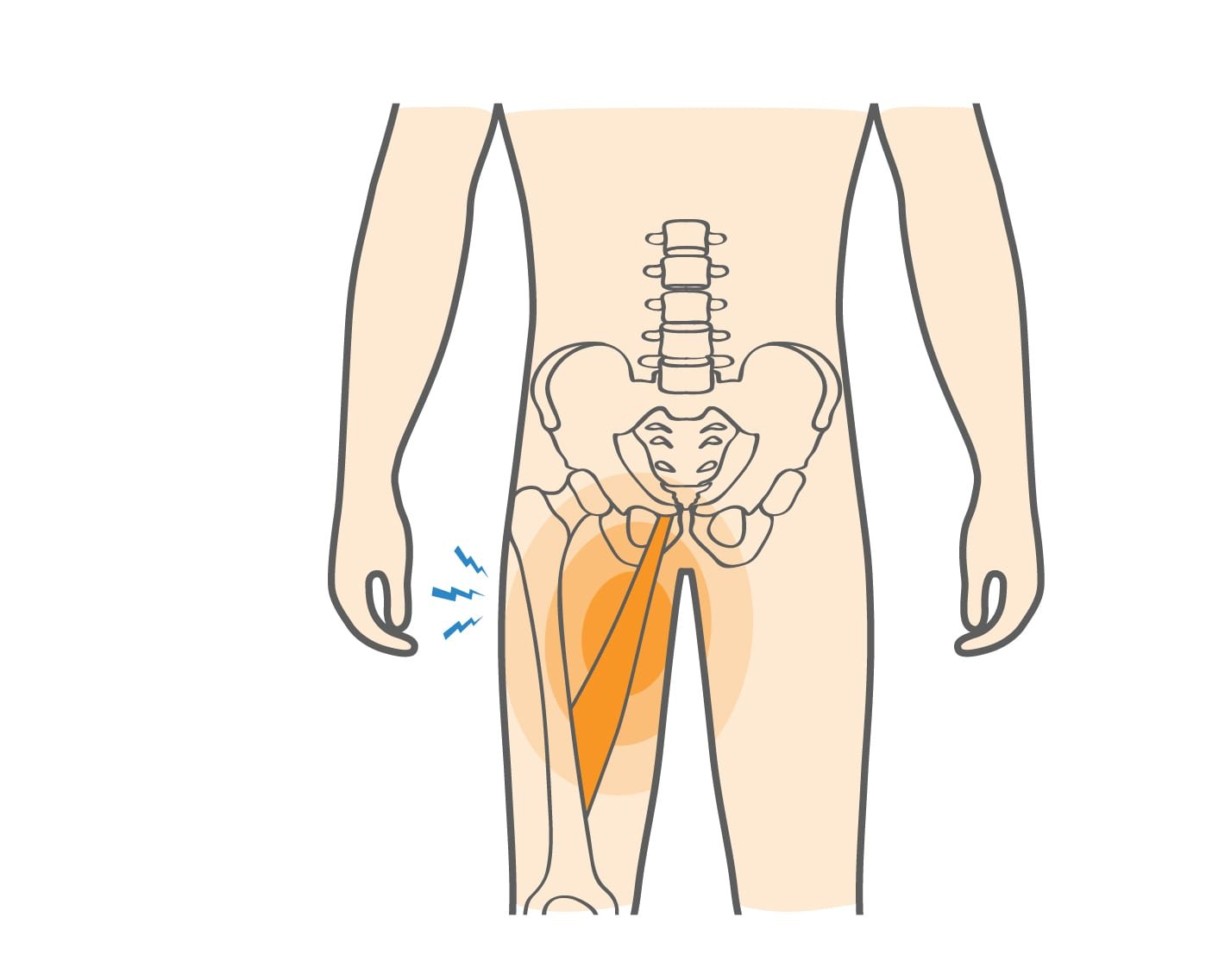
The groin area is made up of a group of muscles called the adductors. They sit along your inner thigh and help pull your legs together, stabilize your hips, and keep movements controlled.
When one of these muscles gets overstretched or pushed beyond what it can handle, you end up with tiny tears in the muscle fibers.
That’s your groin strain.
And yes, “groin pull” is just the everyday way of saying the same thing.
Why People Call It a “Growing Injury”
This part matters.
A groin strain doesn’t always feel dramatic at first. In fact, a lot of people keep training, playing, or working through it.
That’s where the problem begins.
What starts as mild discomfort can slowly turn into:
- Lingering tightness
- Recurring pain
- A full-blown tear
It grows because it’s not given the chance to heal properly. And once it becomes a pattern, it’s much harder to shake.
How It Usually Happens
Groin strains aren’t random. They tend to show up during movements that are fast, forceful, or slightly awkward.
Think about actions like:
- Sprinting suddenly
- Changing direction mid-run
- Kicking hard (football players know this well)
- Deep lunges or stretches
- Lifting heavy without proper control
In these moments, your muscles are doing two things at once: stretching and contracting. That combination is where things can go wrong.
There are also quieter causes people don’t think about:
- Skipping warm-ups
- Tight inner thighs
- Weak hip muscles
- Pushing through fatigue
Even something as simple as getting back into workouts too quickly can trigger it.
What It Feels Like and What to Watch For
Not every groin strain feels the same. Some are mild and annoying. Others stop you in your tracks.
Here’s how it usually progresses:
Early stage
- A pulling sensation in the inner thigh
- Slight stiffness when walking
- Discomfort when stretching
Middle stage
- Pain when bringing your legs together
- Tenderness if you press the area
- Maybe some light bruising
Severe cases
- Sharp pain during movement
- Trouble walking normally
- Swelling or visible bruising
Some people even describe a “pop” when it happens. That’s usually a sign it’s more serious.
How Bad Is It? (Understanding Severity)
Doctors tend to group groin strains into three levels. You don’t need medical jargon just think of it like this:
Mild (Grade 1)
Feels tight and sore, but you can still move. Easy to ignore (which is why people do).
Moderate (Grade 2)
Now it hurts when you move. Strength drops. You start compensating without realizing it.
Severe (Grade 3)
This is a full tear. Walking is painful, and activity is off the table for a while.
Recovery: How Long Are You Out?
This depends less on the injury and more on how you handle it.
- Mild strain: could settle in a couple of weeks
- Moderate strain: a month or two
- Severe tear: several months, sometimes longer
Here’s the catch: people often delay recovery by coming back too soon.
If the muscle hasn’t rebuilt properly, it’s just waiting to fail again.
What Actually Helps (and What Doesn’t)
When the injury is fresh, the goal is simple: calm things down.
Start here:
- Rest more than you think you need
- Use ice a few times a day
- Keep movement gentle, not forced
Compression and support can help, especially if there’s swelling.
Painkillers? They can reduce discomfort, but they don’t fix the injury. So don’t rely on them to “push through.”
Then comes the part where people rush to rehab
Once the pain eases a bit, you’ll want to:
- Ease into light stretching
- Gradually rebuild strength
- Add movement slowly
This stage matters more than the first few days. It’s what determines whether you heal properly or end up back where you started.
When to Stop Guessing and Get Help
Some groin strains are manageable at home. Others aren’t.
You should get it checked if:
- Walking feels unstable or painful
- Bruising shows up
- Pain sticks around for weeks
- The same injury keeps coming back
At that point, it’s not just a strain, it’s a pattern.
Preventing It (Because No One Wants Round Two)
Groin injuries have a frustrating habit of returning. The good news? They’re also pretty preventable.
Simple habits go a long way:
- Warm up before anything intense
- Keep your inner thighs flexible
- Strengthen hips and core (this is huge)
- Don’t jump intensity levels overnight
Consistency beats intensity here. Always.
The Bigger Picture: Why It’s Easy to Get Wrong
A groin pull doesn’t look serious from the outside.
There’s no cast. No dramatic swelling (most of the time). So people treat it casually.
That’s why it turns into a growing injury.
You keep moving. The muscle doesn’t fully heal. Compensation kicks in. And before you know it, something that could’ve taken two weeks now drags on for months.
Fix It Early, Move Better Later
A groin strain isn’t the worst injury out there, but it’s one of the easiest to mishandle.
Ignore it, and it lingers. Manage it well, and you’re back to normal without much trouble.
The difference usually comes down to timing and patience.
Upswing Health helps bridge that gap with guided recovery programs designed to take the guesswork out of injuries like groin strains. If you’re dealing with ongoing discomfort or want to avoid repeat injuries, getting the right support early can make all the difference.
FAQs
1. Is there a difference between groin strain and groin pull?
Not really. They mean the same thing, just different ways of saying it.
2. Should I keep moving with a groin injury?
Light movement is okay, but pushing through pain usually makes it worse.
3. How do I know if it’s serious?
If walking hurts, bruising appears, or it’s not improving after a couple of weeks, it’s worth checking.
4. When can I start stretching again?
Only after the sharp pain settles. Too early, and you risk reopening the injury.
5. Do groin strains come back easily?
Yes, especially if rehab is rushed or skipped.




No Comment! Be the first one.