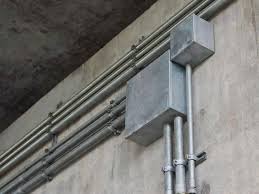
In modern cities and construction projects, electrical systems must stay safe, organized, and easy to maintain. Most electrical cables now run underground to protect them from weather, damage, and accidents. To manage these underground cables properly, engineers use an important structure called an electrical pull box.
An electrical pull box plays a key role in installing, connecting, and maintaining underground electrical cables. It provides access points where workers can safely handle wires without digging up long sections of cable. This saves time, reduces cost, and improves system safety.
What Is an Electrical Pull Box?
An electrical pull box is a strong, box-shaped structure installed in underground or surface electrical systems. It provides access to electrical cables that run inside protective pipes called conduits.
Workers use the pull box to pull cables through conduits, connect wires, inspect systems, or perform maintenance work. It acts as a safe connection and access point in the electrical network.
In simple words, an electrical pull box is a service point that helps manage underground electrical cables safely and efficiently.
Why Do We Use Electrical Pull Boxes?
Electrical pull boxes are very important in underground wiring systems. Without them, installing and maintaining long cable runs would be very difficult.
Here are the main reasons we use them:
- They provide easy access to underground cables
- They reduce cable tension during installation
- They make maintenance and repair easier
- They help organize electrical systems
- They improve safety for workers
- They reduce damage to cables
Because of these advantages, pull boxes are used in almost all modern electrical infrastructure projects.
How Does an Electrical Pull Box Work?
An electrical pull box works as an access and connection point in an underground cable system.
Here is how it works step by step:
- Electrical cables run through underground conduits
- Engineers install pull boxes at specific intervals
- These boxes break long cable runs into smaller sections
- Workers open the pull box when needed
- They pull, connect, or inspect cables inside the box
This system reduces stress on cables and makes installation easier. It also helps workers avoid digging long sections of underground cable during repairs.
Main Components of an Electrical Pull Box
An electrical pull box includes several important parts that work together.
1. Box Structure
This is the main body of the pull box. It is usually made of concrete, plastic, or metal. Concrete is the most common material for heavy-duty use.
2. Cover or Lid
The cover protects the box from dirt, water, and damage. In road areas, it is strong enough to handle vehicle traffic.
3. Conduit Openings
These are entry and exit points where electrical conduits connect to the box.
4. Internal Space
The inside space allows workers to safely handle and connect cables.
5. Grounding System
Some pull boxes include grounding systems to improve electrical safety.
Types of Electrical Pull Boxes
Electrical pull boxes come in different types depending on usage and project requirements.
1. Concrete Electrical Pull Box
This is the strongest type and is used in heavy-duty environments.
Best for:
- Roads and highways
- Industrial zones
- Utility networks
It offers high durability and long life.
2. Plastic Electrical Pull Box
These are lightweight and easy to install.
Best for:
- Residential projects
- Light electrical systems
They are cost-effective but less strong than concrete.
3. Metal Electrical Pull Box
Made from steel or aluminum, these boxes offer good strength.
Best for:
- Industrial environments
- Surface-mounted installations
4. Precast Concrete Pull Box
These are manufactured in factories and delivered ready to install.
Best for:
- Fast installation projects
- High-quality controlled environments
Benefits of Electrical Pull Boxes
Electrical pull boxes provide many important benefits in underground systems.
1. Easy Access to Cables
Workers can quickly access cables for installation, inspection, or repair.
2. Reduced Cable Stress
They reduce tension on cables during pulling, which prevents damage.
3. Improved Safety
They reduce the risk of electrical accidents by providing controlled access points.
4. Organized Wiring System
They help keep underground cables neat and structured.
5. Long Service Life
Concrete pull boxes last for many years with minimal maintenance.
6. Cost Savings
They reduce repair time and maintenance costs in the long run.
7. System Efficiency
They improve the overall performance of underground electrical systems.
Common Applications of Electrical Pull Boxes
Electrical pull boxes are used in many types of construction projects.
1. Underground Power Distribution
They help manage electricity supply in cities and towns.
2. Street Lighting Systems
They connect and control streetlight wiring systems.
3. Commercial Buildings
Offices, malls, and complexes use pull boxes for electrical routing.
4. Industrial Facilities
Factories and plants use them for heavy-duty electrical systems.
5. Infrastructure Projects
Roads, highways, airports, and railways depend on pull boxes for underground wiring.
6. Telecommunication Networks
They also support fiber optic and communication cables.
Installation Process of Electrical Pull Boxes
Installing an electrical pull box requires careful planning and proper execution.
Step 1: Planning and Design
Engineers decide the location, size, and spacing of pull boxes based on system design.
Step 2: Excavation
Workers dig a hole according to required depth and dimensions.
Step 3: Base Preparation
They add sand or gravel to create a stable and level base.
Step 4: Placement
Workers carefully place the pull box into the excavated area.
Step 5: Conduit Connection
They connect conduits to the openings of the pull box.
Step 6: Alignment and Leveling
Workers adjust the box to ensure it is properly aligned.
Step 7: Backfilling
They fill the surrounding area with soil and compact it for stability.
Step 8: Cover Installation
Finally, the lid is installed to close the box securely.
Important Design Considerations
Engineers consider several important factors when designing electrical pull box systems.
1. Cable Load
The box must handle the number and size of cables safely.
2. Traffic Load
If installed under roads, it must support heavy vehicle loads.
3. Soil Conditions
Soil type affects stability and drainage.
4. Accessibility
The box must be easy to access for maintenance work.
5. Drainage System
Proper drainage prevents water accumulation inside the box.
6. Future Expansion
Extra space is often planned for future cable additions.
Common Problems and Solutions
Even strong electrical pull boxes can face problems if not installed correctly.
1. Water Accumulation
Cause: Poor drainage
Solution: Add drainage systems or waterproofing
2. Cracks in Structure
Cause: Weak materials or heavy load
Solution: Use reinforced concrete and proper design
3. Misaligned Conduits
Cause: Poor installation
Solution: Use spacers and proper layout planning
4. Difficult Access
Cause: Poor location selection
Solution: Plan placement carefully
5. Damaged Covers
Cause: Heavy traffic or wear
Solution: Use heavy-duty lids and proper materials
Best Practices for Long-Term Performance
To ensure long-lasting performance, follow these best practices:
- Use high-quality materials
- Follow engineering standards
- Ensure proper installation
- Provide good drainage
- Inspect regularly
- Use correct size and design
- Protect covers from damage
- Plan for future expansion
These steps improve safety, durability, and efficiency.
Electrical Pull Box vs Manhole
| Feature | Electrical Pull Box | Manhole |
|---|---|---|
| Size | Small | Large |
| Access | Limited access | Full entry |
| Use | Cable pulling and connections | Maintenance and inspection |
| Cost | Lower | Higher |
Pull boxes are used for smaller access needs, while manholes are used for larger systems.
Why Electrical Pull Boxes Are Important Today
Modern cities depend on strong electrical and communication systems. These systems must stay safe, organized, and easy to maintain.
Electrical pull boxes make this possible by providing safe access points for underground cables. They improve efficiency, reduce maintenance time, and support reliable power distribution.
As infrastructure grows, the importance of electrical pull boxes continues to increase.
Conclusion
An electrical pull box is a small but essential part of underground electrical systems. It provides safe access to cables, reduces installation difficulty, and improves system reliability.
From street lighting to large industrial projects, electrical pull boxes play a key role in modern infrastructure. When installed correctly, they offer long-term safety, efficiency, and durability.


Leave a Comment