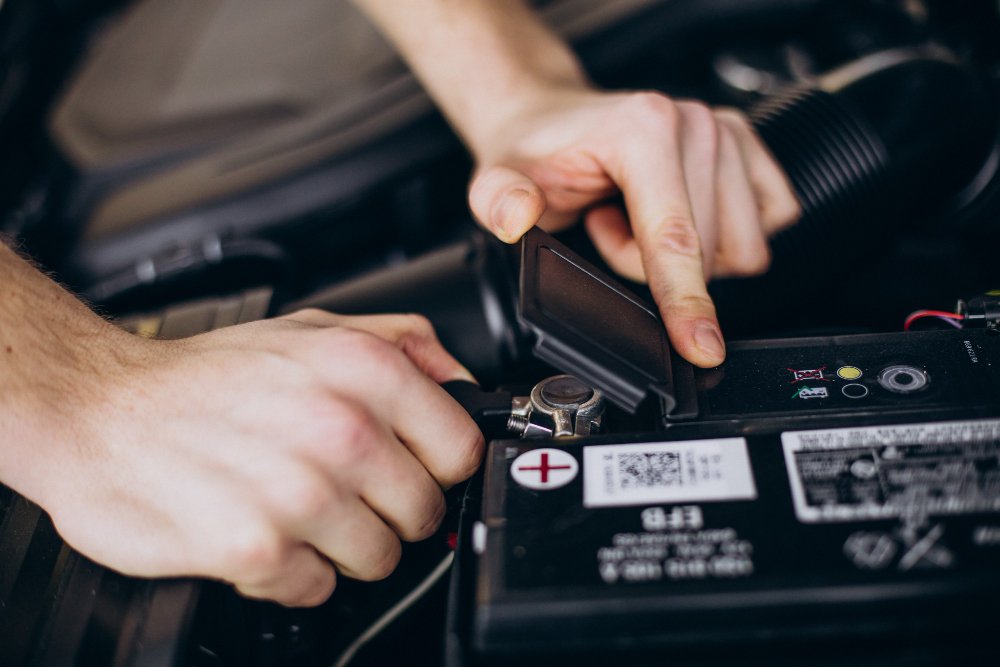
The lifespan and reliability of an automotive battery hinge on two key metrics: Cold Cranking Amps (CCA) and Reserve Capacity (RC). While consumers often focus on the CCA number, this measurement is misleading for drivers in tropical climates. The critical difference lies in battery needs in temperate zones (starting power) versus tropical zones (endurance against heat and load).
Defining the Metrics: CCA and RC
Understanding the vastly different testing conditions for these two metrics is the first step in selecting the right battery for the tropics.
Cold Cranking Amps (CCA): The Winter Metric
Cold Cranking Amps (CCA) defines the maximum current (in amps) that a fully charged battery can deliver for 30 seconds at 0°F (-18°C) while maintaining a minimum voltage of 7.2V. CCA measures the battery’s ability to crank a cold engine in frigid temperatures. Since tropical climates rarely, if ever, experience temperatures near freezing, this metric is technically irrelevant to the starting performance of an automotive battery in high-heat regions.
Reserve Capacity (RC): The Endurance Metric
Reserve Capacity (RC) is defined as the time (in minutes) that a fully charged battery can deliver a continuous load of 25A at 80°F (27°C) before its voltage drops below 10.5V. RC measures the endurance of the automotive battery under a moderate load at an operating temperature much closer to the tropical ambient climate. It essentially indicates how long the battery can power essential accessories (like lights and ignition) if the alternator fails or during heavy stop-and-go traffic.
The True Enemy of a Tropical Automotive Battery: Heat
Heat, not cold, is the primary factor limiting battery lifespan and performance in tropical regions. Focusing on high CCA diverts attention from this critical environmental enemy.
Heat’s Impact on Lifespan
High ambient and under-hood temperatures accelerate the internal chemical reactions within the battery. This rapid acceleration leads to grid corrosion, accelerated sulfation, and water loss. For every 10°C increase above the standard baseline, the battery’s chemical lifespan is roughly halved. This heat damage quickly diminishes the battery’s capacity, making the CCA rating irrelevant long before the battery fails.
The Myth of High CCA in the Tropics
In cold climates, engine oil thickens, requiring immense CCA power to turn the engine over. Conversely, in the tropics, the engine oil is always warm and thin. The engine requires minimal power to turn over at 30°C compared to -18°C. Spending extra money on a battery with an unnecessarily high CCA rating offers virtually no benefit to the driver and does not extend the lifespan of the automotive battery.
Why Reserve Capacity is the Critical Metric
RC should be the most important factor in selecting a tropical automotive battery because it measures the battery’s resilience against the constant electrical and environmental stressors of the region.
Handling Accessory Demand
A higher RC translates directly to better performance in handling modern automotive battery loads. These loads include air conditioning running constantly, heavy audio systems, charging devices, and operating in prolonged stop-and-go traffic. In traffic, the alternator often runs inefficiently (low RPM), placing the burden of powering accessories back onto the battery. A high RC battery can sustain this demand without rapid discharge.
Deep Cycling Resistance
RC is a strong indicator of the battery’s ability to resist deep discharge cycles, which are common with short-trip driving and heavy accessory use. Every time a battery is deeply discharged, it suffers permanent damage (sulfation). A higher RC means the battery has a more robust internal structure to handle these high-load cycles, leading to a longer useful life in the tropics.
Modern Alternatives: AGM vs. Flooded Batteries
The construction type of the automotive battery significantly impacts its heat tolerance and inherent RC performance, offering superior choices for the tropical environment.
Absorbent Glass Mat (AGM) Advantage
AGM batteries are generally superior in tropical heat. Their immobilized electrolyte (held in glass mats) resists vibration and prevents premature water loss (a critical benefit in high heat). This efficient design results in a consistently higher RC and a longer overall lifespan relative to a traditional flooded battery of the same size.
Flooded Battery Weakness
Standard flooded batteries are highly vulnerable to the tropical climate. High heat rapidly accelerates water loss from the electrolyte, which requires frequent maintenance (adding distilled water). If neglected, this water loss exposes the internal plates, reducing the RC, damaging the battery, and drastically shortening its life.
Practical Maintenance for Tropical Battery Longevity
Proper maintenance is crucial for maximizing the lifespan of any automotive battery in the tropics, regardless of its RC rating.
Reducing Under-Hood Heat
A critical step is ensuring the battery is protected from under-hood heat. Check that the vehicle’s heat shield (if supplied) is correctly installed. Additionally, adequate ventilation helps dissipate trapped heat, lowering the core temperature and mitigating the primary cause of early battery death.
Corrosion Control and Fluid Checks
Heat accelerates the formation of lead sulfate and corrosion at the terminals. It is necessary to frequently clean battery terminals to prevent corrosion. For standard flooded automotive battery types, owners must check fluid levels regularly and top up with distilled water only to prevent the plates from drying out, which drastically reduces the available RC.
Key Takeaway
For consumers selecting an automotive battery in the tropics, the answer is clear: Reserve Capacity (RC) is the more important metric. It measures endurance and resistance to the constant heat and high electrical demands (A/C, traffic) that primarily shorten battery life. Prioritize a battery with a high RC rating, and if budget allows, opt for an AGM model for its superior heat resistance.


Leave a Comment