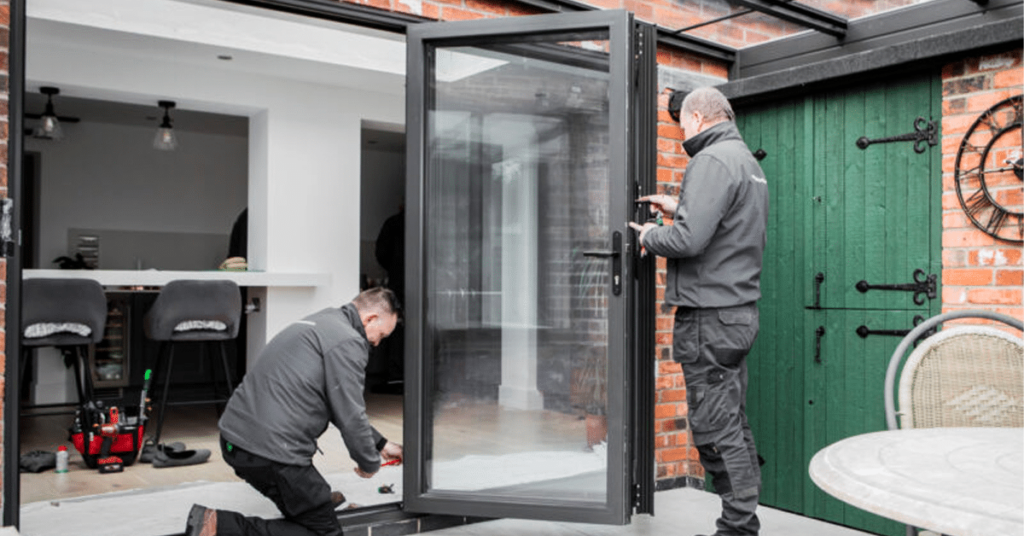
Modern entry doors play a critical role in defining a home’s security, energy efficiency, and visual appeal. Among the leading providers of high-quality door solutions, reliable suppliers emphasize durable construction, performance-based materials, and design versatility of modern entry doors suited for residential and commercial applications. Selecting the right material ensures long-term value, reduced maintenance, and enhanced curb appeal. The most commonly used materials for modern entry doors include steel, fiberglass, and wood, each offering unique advantages based on climate, budget, and architectural style.
Steel Entry Doors for Maximum Strength and Security
Steel is widely recognized as one of the most secure and durable materials for entry doors. It offers exceptional resistance to forced entry, making it a preferred choice for security-focused homeowners. Steel doors typically feature an insulated core, which improves thermal efficiency and helps reduce energy loss. They are also cost-effective compared to many premium alternatives, making them a practical solution for both residential and commercial installations. However, steel may require protective coatings to prevent rust in humid or coastal environments, and surface dents can occur under heavy impact. Despite this, steel remains a leading option for modern entry doors where safety and durability are priorities.
Fiberglass Entry Doors for Versatility and Low Maintenance
Fiberglass has become one of the fastest-growing materials in the entry door industry due to its balance of durability and design flexibility. It is resistant to warping, cracking, rotting, and moisture damage, making it ideal for varying climates. Fiberglass doors can closely replicate the appearance of natural wood while offering significantly lower maintenance requirements. They also provide strong insulation properties, contributing to better indoor energy efficiency. According to industry insights, fiberglass is often preferred in modern designs because it combines aesthetic adaptability with long service life, typically ranging from 15 to 50 years, depending on usage and installation quality. This makes it a strong competitor in the category of modern entry doors.
Wood Entry Doors for Natural Aesthetic Appeal
Wood remains a traditional yet premium option for entry doors, valued for its natural warmth and timeless appearance. It offers excellent design flexibility, allowing customization through carving, staining, or painting. High-quality engineered wood doors can deliver strong performance when properly maintained. However, wood is more susceptible to environmental challenges such as moisture absorption, termite damage, and warping. Regular maintenance, including sealing and refinishing, is required to preserve its durability and appearance. While it may not match the low-maintenance advantages of steel or fiberglass, wood continues to be chosen for luxury and architecturally distinct homes.
Aluminum and Composite Alternatives
Aluminum and composite materials are also used in entry door construction, especially in contemporary designs. Aluminum is lightweight, corrosion-resistant, and suitable for modern minimalist architecture. Composite doors, often combining engineered wood and synthetic materials, aim to deliver enhanced insulation and structural strength. These alternatives are chosen for specialized applications where design innovation and environmental resistance are important considerations.
Energy Efficiency and Performance Considerations
Beyond aesthetics and strength, energy efficiency is a major factor in material selection for modern entry doors. Steel and fiberglass doors typically feature insulated foam cores that improve thermal performance and help maintain indoor temperature stability. This reduces heating and cooling costs over time. Fiberglass generally performs slightly better in extreme temperature conditions due to its lower heat conductivity, while steel offers strong insulation but may transfer heat under prolonged sun exposure. Proper installation and sealing are essential for maximizing efficiency regardless of material choice.
Conclusion
Selecting the right material for modern entry doors depends on balancing durability, security, and aesthetic goals. Steel offers strength, fiberglass delivers long-term low maintenance, and wood provides premium visual appeal, while composites and aluminum add design versatility. Understanding these differences helps property owners make informed decisions based on performance requirements and environmental conditions. For builders and contractors sourcing large-scale projects, aligning material selection with a reliable wholesale door supplier ensures consistent quality, better pricing efficiency, and long-term value across residential and commercial developments.

Leave a Comment