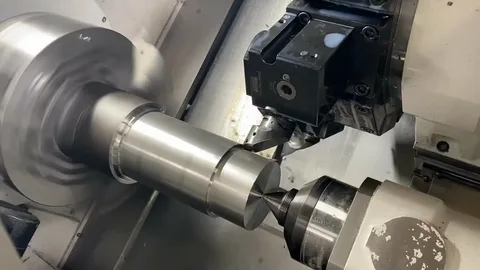
CNC turning machining has become a cornerstone of modern manufacturing, offering unmatched precision, efficiency, and consistency. Whether you are producing simple cylindrical parts or complex geometries, understanding the tools and equipment involved is essential for achieving optimal results. This expert guide explores the key components of CNC turning machining, helping you make informed decisions and improve your machining operations.
Understanding CNC Turning Machines
CNC turning machining begins with the machine itself. CNC lathes are designed to rotate a workpiece while cutting tools shape it into the desired form. These machines are controlled by computer programs, allowing for highly precise and repeatable operations across various industries.
Modern CNC turning machines come in different configurations, including horizontal and vertical lathes. Horizontal lathes are more common and suitable for long, cylindrical parts, while vertical lathes are ideal for larger, heavier components. Advanced models also feature multi-axis capabilities, enabling complex machining tasks in a single setup.
- Key features of CNC turning machines:
- Computer-controlled precision and automation
- Multi-axis functionality for complex parts
- High-speed spindles for efficient production
- Tool turret systems for quick tool changes
- Compatibility with various materials
Essential Cutting Tools for CNC Turning Machining
Cutting tools play a critical role in CNC turning machining, as they directly interact with the workpiece to shape it. These tools come in various types, each designed for specific operations such as facing, turning, grooving, and threading.
Materials used in cutting tools significantly impact performance. Common materials include carbide, high-speed steel (HSS), ceramics, and cubic boron nitride (CBN). Carbide tools are widely preferred due to their durability and ability to withstand high temperatures, making them ideal for high-speed machining.
- Common CNC turning cutting tools:
- Turning tools for shaping external surfaces
- Boring tools for internal machining
- Grooving tools for creating narrow cuts
- Threading tools for screw threads
- Parting-off tools for separating finished parts
Tool Holders and Tooling Systems
In CNC turning machining, tool holders are just as important as the cutting tools themselves. They secure the cutting tool in place and ensure stability during machining operations. A poorly fitted tool holder can lead to vibrations, reduced accuracy, and tool wear.
Modern tooling systems are designed for quick changeovers and improved rigidity. Modular tooling systems allow operators to swap tools efficiently, reducing downtime and increasing productivity. Additionally, precision-engineered holders help maintain consistent tool positioning, which is crucial for repeatable results.
- Benefits of high-quality tool holders:
- Enhanced machining stability and accuracy
- Reduced tool vibration and chatter
- Faster tool changeovers
- Improved tool life and performance
- Greater consistency in production
Workholding Equipment in CNC Turning
Workholding equipment is essential in CNC turning machining, as it secures the workpiece during operation. Proper workholding ensures accuracy, safety, and efficiency throughout the machining process.
Common workholding devices include chucks, collets, and faceplates. Chucks are widely used for their versatility, while collets provide higher precision for smaller parts. Advanced systems, such as hydraulic and pneumatic chucks, offer automated clamping and improved grip, making them suitable for high-volume production environments.
- Types of workholding equipment:
- Three-jaw chucks for general-purpose use
- Four-jaw chucks for irregular shapes
- Collets for high-precision applications
- Faceplates for large or custom parts
- Hydraulic systems for automated clamping
Measuring and Inspection Tools
Precision is the hallmark of CNC turning machining, and measuring tools ensure that every component meets the required specifications. Inspection tools are used throughout the machining process to verify dimensions, tolerances, and surface quality.
Common measuring instruments include calipers, micrometers, and dial indicators. For more advanced inspection, coordinate measuring machines (CMM) and laser measurement systems are used. These tools help detect errors early, reducing waste and ensuring consistent quality in production.
- Essential measuring and inspection tools:
- Vernier calipers for general measurements
- Micrometers for high-precision readings
- Dial indicators for alignment checks
- CMM machines for complex geometries
- Surface roughness testers for finish evaluation
Conclusion
CNC turning machining is a sophisticated process that relies on a combination of advanced machines, precision tools, and reliable equipment. From selecting the right cutting tools to ensuring proper workholding and accurate measurement, every aspect plays a vital role in achieving high-quality results.
By understanding the tools and equipment involved in CNC turning machining, manufacturers can enhance productivity, reduce errors, and maintain consistent output. Investing in high-quality components and staying updated with technological advancements will ensure long-term success in this ever-evolving field.


Leave a Comment