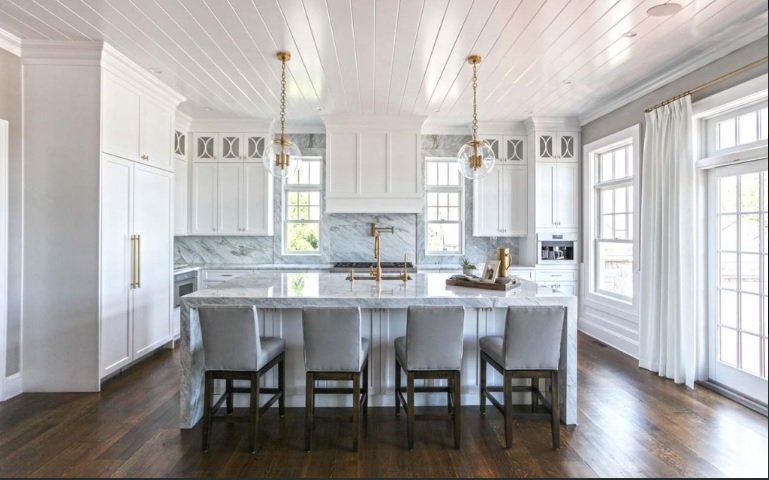
Building a dedicated baking station requires an entirely different structural approach than planning a standard cooking perimeter. Anyone who regularly works with laminated doughs, heavy batters, or intricate sugar work knows that standard counter heights and basic base cabinets actively fight against the physical mechanics of baking. It takes a high level of technical planning to create a zone that properly manages temperature, organizes specialized tools, and supports heavy machinery. Kitchen Traditions understands the exacting architectural requirements of serious bakers, translating professional pastry kitchen concepts into highly functional residential applications. When the millwork and surface materials are engineered specifically for the task, the entire process of creating complex pastries becomes significantly faster and less physically taxing.
The primary requirement for any serious baking zone is a dedicated, temperature-controlled work surface. Standard quartz or granite holds ambient room temperature, which spells absolute disaster when rolling out butter-heavy doughs like puff pastry or pie crusts. The gold standard remains a thick slab of natural marble, preferably Carrara or Calacatta, because it naturally stays several degrees cooler than the surrounding environment. Dropping the height of this specific marble counter by three to four inches below the standard thirty-six-inch counter height is another critical technical adjustment. Lowering the surface changes the angle of leverage, allowing the baker to apply heavy downward pressure when kneading bread or rolling stiff dough without straining their shoulders and lower back.
Heavy machinery management dictates the internal framing requirements of the surrounding cabinetry. A standard commercial stand mixer weighs over thirty pounds and generates significant physical torque when mixing heavy bread dough. Leaving this massive appliance on the counter consumes valuable workspace, while dragging it out of a low cabinet daily causes unnecessary physical strain. The professional solution involves installing a heavy-duty, spring-loaded mechanical mixer lift inside a dedicated base cabinet. This specific hardware allows the user to simply pull the mixer up to counter height with a single hand, lock it securely into place for operation, and easily push it back down into the cabinet when finished. Reinforcing the cabinet box to handle this mechanical stress is an absolute necessity during the installation phase.
Storage for baking ingredients requires a complete departure from standard pantry design, shifting toward highly organized, climate-controlled environments. Flour, sugar, and specialized grains must be protected from both humidity and household pests, making deep drawer storage with custom, airtight acrylic inserts far superior to traditional upper cabinets. Organizing these deep drawers directly below the lowered marble work surface creates a highly efficient drop zone where ingredients can be scooped and measured without taking a single step. For homeowners planning kitchen remodeling Ridgefield offers a housing market where these highly specific, custom storage solutions add significant long-term value to the property. Including specialized, narrow pull-out racks specifically designed to hold dozens of small spice jars and extracts keeps flavorings perfectly organized and shielded from degrading light.
Electrical planning around the baking station demands careful attention to amperage and outlet placement. Running multiple high-draw appliances simultaneously, such as a heavy-duty stand mixer, a food processor, and an immersion blender, will immediately trip a standard electrical circuit. The baking zone must be wired with its own dedicated twenty-amp circuits to handle sudden power surges safely. Positioning electrical outlets horizontally along the base of the backsplash or integrating pop-up outlets directly into the work surface ensures that power cords never have to stretch across active prep areas. This strict attention to electrical infrastructure prevents frustrating power failures and keeps the workspace clear of tangled, dangerous cords.
Finally, managing the cleanup process requires specific plumbing and sanitation considerations directly within the baking zone. Working with sticky doughs and colored icings generates a significant amount of specialized mess that should not cross the room to the main cleanup sink. Installing a secondary, deep prep sink equipped with a commercial-style pre-rinse faucet allows the baker to immediately soak heavily soiled mixing bowls and measuring cups. This secondary plumbing station keeps the primary sink entirely clear for regular household use and stops flour dust from spreading across the rest of the floor plan.
Conclusion
Engineering a professional-grade baking station requires a firm grasp of specific physical mechanics and highly technical storage solutions. By integrating lowered marble surfaces, heavy-duty mechanical lifts, and dedicated electrical circuits, the environment actively supports the strenuous work of pastry creation. Specialized storage for bulk ingredients and a dedicated secondary cleanup zone keep the entire process highly contained and highly efficient. Applying these commercial principles to a residential footprint completely transforms the daily experience of any dedicated home baker.
Call to Action
Creating a highly technical, specialized workspace demands a construction partner who thoroughly understands the exact mechanics of professional cooking. You need a team capable of engineering custom cabinet framing, executing complex electrical plans, and sourcing the finest natural stone. Reach out to Kitchen Traditions to discuss the specific structural requirements for building your ideal culinary environment. Take the next step toward a highly functional home by visiting https://kitchentraditions.net/ to review their custom architectural solutions.

Leave a Comment