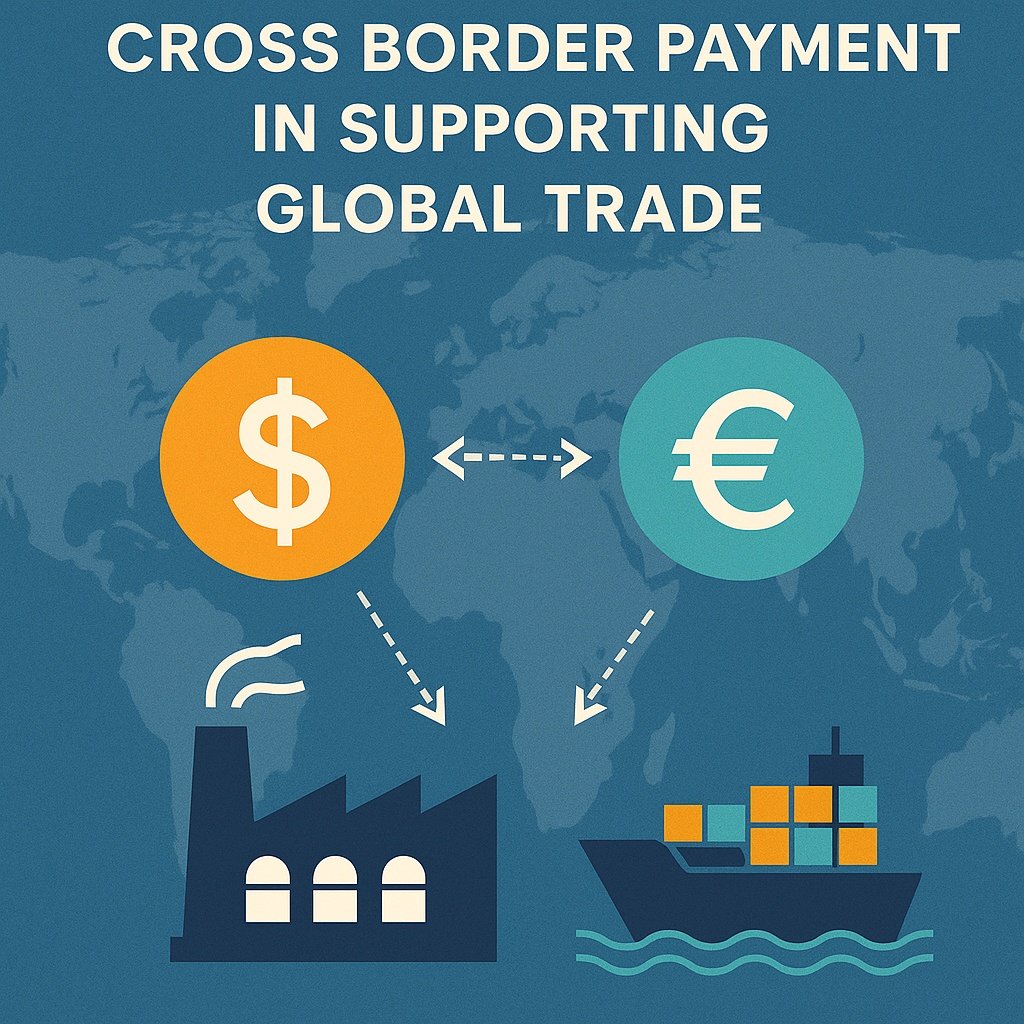
In today’s connected world, businesses are no longer limited to one country. Companies are working with clients, suppliers, and partners across different regions. This has made cross border payments an essential part of business operations.
However, in the past, sending money across countries was slow, expensive, and sometimes risky. Payments could take several days, involve high fees, and lack transparency. Today, things are changing quickly. Modern technology and advanced systems are making cross border payments faster, safer, and more reliable.
In this blog, we will understand how cross border payments are improving and why businesses are benefiting from these changes.
What Are Cross Border Payments?
Cross border payments are transactions where money is transferred between two parties located in different countries. These payments can be used for:
- Paying international suppliers
- Receiving payments from global customers
- Managing overseas business operations
- Supporting global e-commerce
As global trade continues to grow, the need for efficient cross border payment systems is also increasing.
Challenges in Traditional Cross Border Payments
Before understanding the improvements, it is important to look at the common problems businesses faced earlier:
1. Slow Processing Time
Payments often took 3–5 business days or even longer due to multiple banks involved.
2. High Transaction Costs
Currency conversion fees, processing charges, and hidden costs made transactions expensive.
3. Lack of Transparency
Businesses had limited visibility on where the payment was and when it would arrive.
4. Security Risks
Older systems had weak security measures, increasing the risk of fraud and data breaches.
These challenges made cross border payments complex and difficult to manage.
How Cross Border Payments Are Becoming Faster
Modern systems are solving the issue of slow payment processing. Here’s how:
1. Real-Time Payment Processing
New technologies allow payments to be processed instantly or within a few hours. This is a major improvement compared to traditional methods.
Faster payments help businesses:
- Maintain smooth operations
- Avoid delays in deliveries
- Improve relationships with partners
2. Reduced Intermediaries
Earlier, payments passed through multiple banks before reaching the final destination. Each step added time and cost.
Modern systems reduce the number of intermediaries, making transactions quicker and more efficient.
3. Advanced Payment Networks
Global financial networks are improving their infrastructure to support faster transactions. These networks are designed to handle large volumes of payments without delays.
This helps businesses send and receive money across borders without waiting for days.
4. Smart Currency Conversion
Modern platforms offer real-time exchange rates and faster currency conversion. This reduces delays and ensures better value for money.
Businesses can now make payments without worrying about fluctuating exchange rates.
How Cross Border Payments Are Becoming More Secure
Speed is important, but security is equally critical. Businesses need to ensure that their money and data are safe.
Modern cross border payment systems focus heavily on security. Here’s how:
1. Data Encryption
Advanced encryption technology protects sensitive financial information during transactions. This ensures that data cannot be accessed by unauthorized users.
2. Multi-Factor Authentication
Many payment systems now require multiple steps to verify transactions. This reduces the chances of unauthorized access and fraud.
3. Fraud Detection Systems
Modern platforms use intelligent systems to detect unusual activity. If something suspicious is identified, the transaction can be stopped or verified.
This protects businesses from financial losses.
4. Regulatory Compliance
Payment providers follow strict international regulations and standards. These rules ensure that transactions are safe, legal, and transparent.
Compliance also builds trust between businesses and payment providers.
Role of Technology in Improving Cross Border Payments
Technology is the main reason behind the transformation of cross border payments.
1. Blockchain Technology
Blockchain helps create secure and transparent payment systems. Every transaction is recorded in a digital ledger, making it easy to track and verify.
This reduces fraud and improves trust.
2. Artificial Intelligence
AI is used to analyze transactions and detect risks. It helps improve security and ensures smooth payment processing.
3. Digital Payment Platforms
Modern platforms combine multiple features like payment processing, reporting, and security in one place. This simplifies financial management for businesses.
Benefits for Businesses
The improvements in cross border payments offer several benefits:
1. Faster Business Operations
Quick payments help companies run their operations smoothly without delays.
2. Better Cash Flow
Faster transactions improve cash flow and financial planning.
3. Lower Costs
Reduced intermediaries and transparent pricing help businesses save money.
4. Increased Global Reach
Businesses can easily expand into international markets.
5. Improved Trust
Secure payment systems build trust with customers and partners.
Impact on E-commerce and Global Trade
E-commerce businesses benefit greatly from faster and secure cross border payments. Customers from different countries expect smooth payment experiences.
Modern payment systems allow businesses to:
- Accept payments in multiple currencies
- Offer faster checkout processes
- Build trust with international customers
This leads to higher sales and better customer satisfaction.
Choosing the Right Cross Border Payment Solution
To get the best results, businesses should choose the right payment solution.
Here are some key points to consider:
- Speed of transactions
- Security features
- Currency support
- Ease of use
- Transparent pricing
A reliable solution can make a big difference in managing global payments efficiently.
Future of Cross Border Payments
The future of cross border payments looks promising. We can expect:
- Instant global transactions
- Even stronger security systems
- Lower transaction costs
- Wider adoption of digital payment technologies
Businesses that adopt modern systems early will have a strong advantage in global markets.
Conclusion
Cross border payments have come a long way from being slow and complex to becoming fast and secure. With the help of modern technology, businesses can now manage international transactions with ease.
Faster processing, better security, and improved transparency are helping companies operate efficiently across borders. As global trade continues to grow, adopting modern cross border payment solutions will be essential for businesses that want to stay competitive and succeed in the international market.


Leave a Comment