


Ribbon Mixer Maintenance Guide for Maximum Uptime
In any food processing or industrial manufacturing facility, unplanned downtime is the enemy of profitability. If your production line grinds to a halt because of a preventable equipment failure, the...

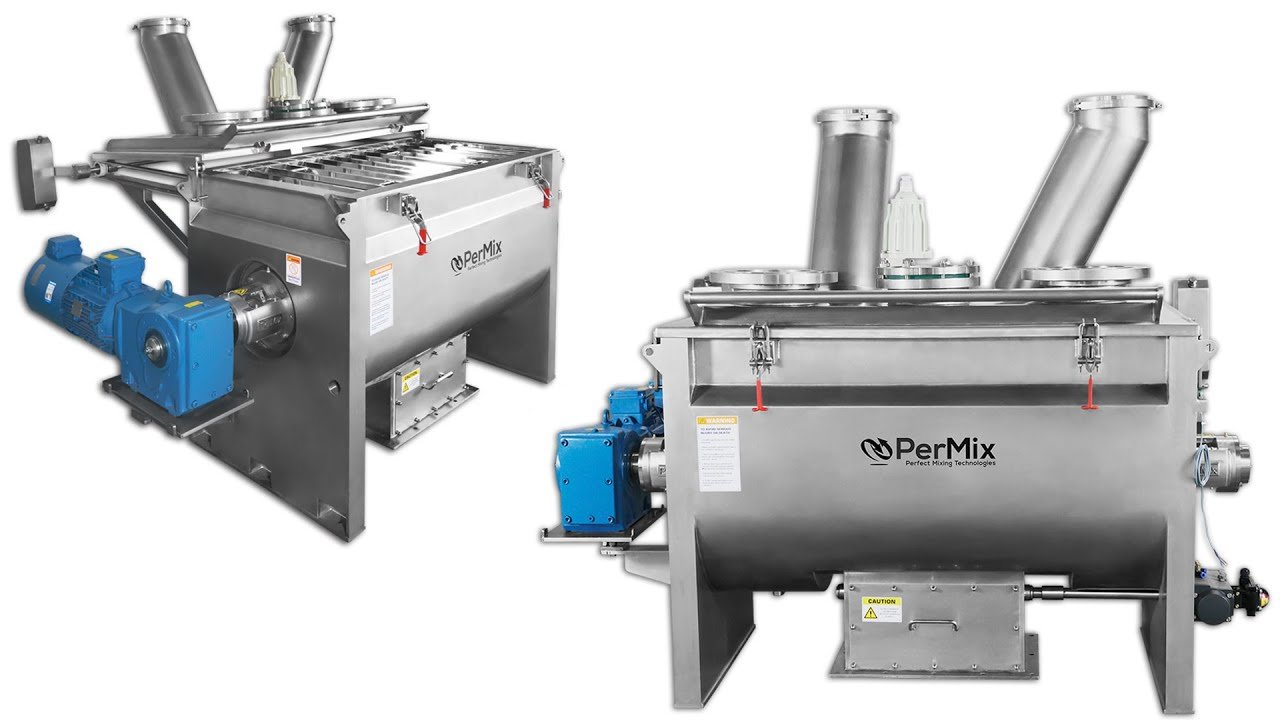
In any food processing or industrial manufacturing facility, unplanned downtime is the enemy of profitability. If your production line grinds to a halt because of a preventable equipment failure, the cost is rarely just the repair bill — it’s delayed orders, wasted raw materials, and frustrated clients. For factory managers and plant operators who rely on a ribbon mixer as part of their daily operations, a structured maintenance routine is not optional. It is the single most effective way to protect your investment and keep your output consistent.
Table Of Content
What is a Ribbon Mixer?
A ribbon mixer is an industrial blending machine used to achieve uniform mixing of dry powders, granules, semi-moist materials, and sometimes liquids. It gets its name from the double helical ribbon agitator inside the mixing trough — an inner ribbon that moves material in one direction and an outer ribbon that moves it in the opposite direction simultaneously.
This counter-current action produces thorough, homogeneous blends in relatively short cycle times, making ribbon mixers a staple in food processing, chemical manufacturing, pharmaceuticals, and animal feed production. Their ability to handle large batch volumes with minimal product degradation makes them one of the most trusted blending solutions across South Asian industrial facilities.
Key Features & Benefits
Understanding what a well-maintained ribbon mixer delivers helps reinforce why upkeep is worth the effort:
- Consistent Blending Uniformity: The counter-rotating ribbon design ensures every particle in the batch is exposed to equal mixing action, producing a homogeneous blend that meets strict quality specifications batch after batch.
- High-Capacity Processing: Ribbon mixers are available in configurations ranging from small pilot batches to several thousand liters, making them suitable for both growing SMEs and large-scale industrial producers.
- Versatility Across Materials: From spice blends and flour mixes to detergent powders and fertilizers, the same machine can handle a wide range of dry and semi-moist materials with simple adjustments.
- Low Maintenance Design: When properly cared for, the straightforward mechanical layout — motor, gearbox, shaft, ribbons, and trough — means fewer failure points compared to more complex mixing technologies.
- Easy Cleaning and Discharge: Most industrial ribbon mixers feature a full-length bottom discharge valve that empties the trough completely, reducing cross-contamination risk and cleaning time between product changeovers.
Industrial Applications
The ribbon mixer’s versatility means it serves a broad spectrum of industries across Pakistan and the wider South Asian market:
- Food and Spice Processing: Blending flour, premixes, masala powders, baking ingredients, and nutritional supplements where uniform distribution of flavor and active ingredients is critical
- Animal Feed Manufacturing: Mixing grain-based feed ingredients with vitamins, minerals, and binders to produce nutritionally consistent pellet or mash feed
- Chemical and Detergent Industry: Combining dry chemical powders, washing agents, and abrasives for cleaning products and industrial compounds
- Pharmaceutical and Nutraceuticals: Blending active ingredients with excipients for tablet and capsule manufacturing, where batch uniformity is a regulatory requirement
- Fertilizer Production: Homogenizing nutrient compounds and micro-elements in granular fertilizer blends for agricultural supply chains
How to Choose the Right One
Whether you’re purchasing your first ribbon mixer or replacing an aging unit, these buying considerations will sharpen your decision:
- Match Capacity to Your Batch Size: Overfilling a ribbon mixer reduces blending quality; underfilling wastes energy and cycle time. Choose a trough volume where your typical batch fills 40–70% of the working capacity.
- Material Compatibility: If you’re processing sticky, hygroscopic, or abrasive materials, confirm that the trough lining and ribbon material — typically stainless steel for food-grade applications — can handle your product without excessive wear or contamination.
- Drive and Motor Specifications: Heavier, denser materials require higher torque. Ensure the gearbox and motor rating are appropriate for your product’s bulk density, not just its volume.
- Discharge Valve Type: Butterfly valves suit free-flowing powders; slide gates are better for sticky or clumping materials. Specifying the wrong discharge type leads to incomplete emptying and product buildup.
- After-Sales Service and Spare Parts: Gearboxes, shaft seals, and ribbon agitators are wear components. Before purchasing, confirm that replacement parts are locally available and that the supplier offers technical support.
Why Quality Matters
A ribbon mixer operates under continuous mechanical stress — the agitator shaft rotates through dense material for hours at a time, session after session. In this environment, material quality and build precision are not details; they are the difference between a machine that lasts a decade and one that begins failing within the first two years.
Substandard welds on the ribbon agitator can crack under load, contaminating your product batch and requiring a full strip-down to repair. Undersized bearings overheat and seize. Poorly fitted shaft seals allow product to pack into the drive assembly, accelerating wear on expensive gearbox components.
For food-grade operations in particular, stainless steel construction is non-negotiable. It prevents rust contamination, survives wet cleaning cycles, and meets the hygiene standards required by PSQCA and food safety auditors. Investing in a robustly built machine from the start eliminates the recurring costs and production disruptions that come with inferior equipment.
Conclusion
A proactive maintenance culture is what separates high-performing food processing facilities from those that constantly firefight equipment failures. Keeping your ribbon mixer in peak condition — through scheduled lubrication, seal inspections, ribbon alignment checks, and gearbox monitoring — directly translates into higher uptime, longer machine life, and consistent product quality. As you build or upgrade your processing line, choosing the right equipment from a reliable source is equally important as the maintenance routine itself. For industrial buyers exploring dependable mixing and processing solutions, you can review detailed equipment specifications and configurations for a trusted Ribbon Mixer to find the right fit for your facility’s output requirements.
Meta Description: Learn essential ribbon mixer maintenance tips to maximize uptime, reduce breakdowns, and protect your food processing investment in Pakistan and South Asia.






No Comment! Be the first one.