


Cytokine Profiling in Reactive Lymph Nodes with Corresponding Human Serum Samples
Advances in immunology and translational science increasingly depend on access to high-quality, well-characterized human biospecimens. For senior researchers Principal Investigators, translational...

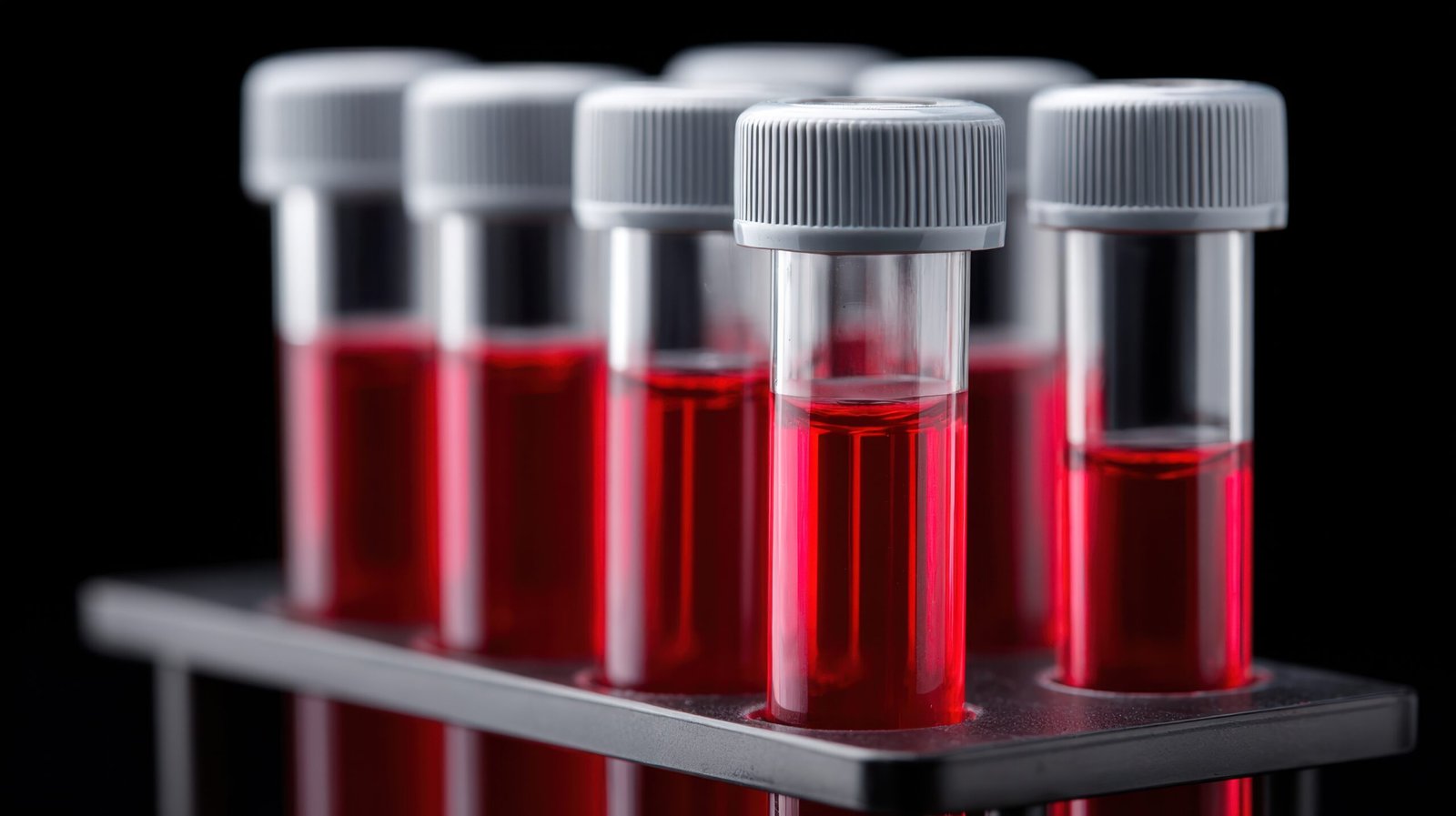
Advances in immunology and translational science increasingly depend on access to high-quality, well-characterized human biospecimens. For senior researchers Principal Investigators, translational scientists, and clinical research leaders the ability to correlate tissue-level immune responses with systemic biomarkers is critical for uncovering disease mechanisms and accelerating therapeutic development. Among the most valuable resources in this space are Reactive Lymph Nodes Samples paired with Human serum samples, which together enable robust cytokine profiling across localized and systemic immune environments.
Table Of Content
- Understanding Reactive Lymph Nodes and Immune Activation
- The Role of Cytokine Profiling in Translational Research
- Why Matched Lymph Node and Serum Samples Matter
- Key advantages include
- Applications in Immunology and Disease Research
- Infectious Disease Research
- Autoimmune Disorders
- Oncology and Pre-Malignant Conditions
- Vaccine Development
- Quality Considerations for Research-Ready Biospecimens
- Bridging the Gap Between Discovery and Clinical Application
- Building a Reliable Biospecimen Strategy
- Conclusion
This article explores how integrating lymph node tissue analysis with matched human serum and plasma samples provides deeper insights into immune activation, inflammation, and disease progression while addressing the practical needs of researchers seeking reliable, research-ready biospecimens.
Understanding Reactive Lymph Nodes and Immune Activation
Reactive lymph nodes are a hallmark of immune system activation. Unlike malignant lymph nodes, reactive nodes enlarge in response to infections, autoimmune conditions, or other inflammatory stimuli. This condition, often referred to as reactive lymphadenopathy, reflects a dynamic immunological process involving lymphocyte proliferation, cytokine release, and antigen presentation.
From a clinical perspective, common swollen lymph nodes causes include viral infections, bacterial pathogens, and immune-mediated disorders. These processes lead to lymph node inflammation, which is often accompanied by observable lymph node swelling symptoms such as tenderness, enlargement, and localized discomfort.
For researchers, reactive lymph nodes represent a powerful model for studying immune signaling in a controlled, non-malignant context. When combined with matched serum samples, they offer a unique opportunity to compare localized cytokine production with systemic immune responses.
The Role of Cytokine Profiling in Translational Research
Cytokines are key signaling molecules that regulate immune responses, inflammation, and cellular communication. Profiling cytokine expression in both lymph node tissue and circulating blood provides a multidimensional view of immune activity.
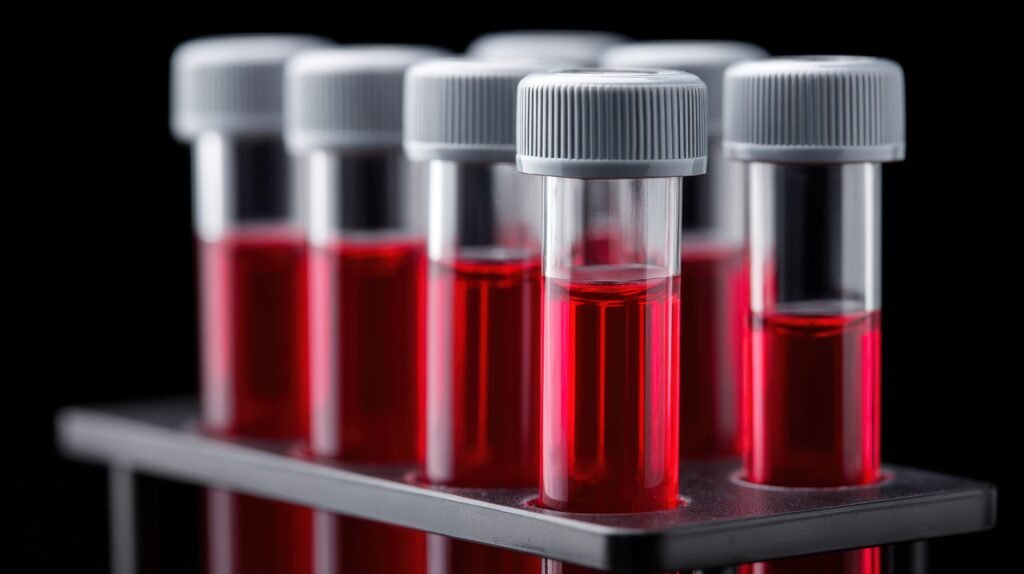
Using Human Serum Samples and Their Impact on Translational Research Work, scientists can:
- Identify disease-specific cytokine signatures
- Track immune response progression over time
- Evaluate therapeutic efficacy in clinical trials
- Discover predictive and prognostic biomarkers
When cytokine data from Reactive Lymph Nodes Samples is paired with data from Human serum samples, researchers can determine whether localized immune responses are mirrored systemically—or whether they remain compartmentalized within lymphatic tissue.
This distinction is particularly important in diseases where systemic biomarkers may not fully capture localized pathology.
Why Matched Lymph Node and Serum Samples Matter
For translational scientists, sample integrity and consistency are non-negotiable. Matched biospecimens—collected from the same donor under controlled conditions enable accurate correlation between tissue and blood-based biomarkers.
Key advantages include:
1. Enhanced Biomarker Discovery
By comparing cytokine levels in lymph nodes and serum, researchers can identify biomarkers that are both tissue-specific and systemically detectable.
2. Improved Study Reproducibility
Using standardized human serum and plasma samples alongside lymph node tissue reduces variability and strengthens experimental outcomes.
3. Deeper Insights into Immune Mechanisms
Reactive lymph nodes provide a localized snapshot of immune activation, while serum reflects the broader physiological response. Together, they offer a comprehensive immunological profile.
4. Support for Drug Development
Pharma and biotech teams can use these paired samples to evaluate drug effects on both local and systemic inflammation, improving translational relevance.
Applications in Immunology and Disease Research
The integration of Reactive Lymph Nodes Samples with Human serum samples supports a wide range of research applications:
Infectious Disease Research
In infections, reactive lymph nodes are often the first site of immune activation. Cytokine profiling helps identify early immune signals and understand pathogen-host interactions.
Autoimmune Disorders
Conditions such as lupus or rheumatoid arthritis involve dysregulated cytokine production. Studying both lymph node tissue and serum allows researchers to map immune imbalances more precisely.
Oncology and Pre-Malignant Conditions
While reactive lymphadenopathy is benign, distinguishing it from early malignancy is critical. Cytokine patterns can help differentiate between reactive and pathological states.
Vaccine Development
Cytokine responses in lymph nodes provide insight into antigen-specific immune activation, while serum analysis reveals systemic immunity both essential for evaluating vaccine efficacy.
Quality Considerations for Research-Ready Biospecimens
For senior researchers, the value of biospecimens lies not just in availability, but in quality, traceability, and compliance. Inconsistent samples can compromise entire studies, leading to delays and increased costs.
When sourcing Human serum samples and Reactive Lymph Nodes Samples, key factors to consider include:
- Ethical sourcing and regulatory compliance
- Standardized collection and processing protocols
- Comprehensive clinical annotation
- Cold chain integrity and storage conditions
- Batch consistency for longitudinal studies
High-quality human serum and plasma samples should be processed to preserve cytokine stability, minimizing degradation and variability. Similarly, lymph node tissues must be handled with precision to maintain cellular architecture and molecular integrity.
Bridging the Gap Between Discovery and Clinical Application
ne of the central challenges in translational research is bridging the gap between laboratory findings and clinical outcomes. This is where Human Serum Samples and Their Impact on Translational Research Work becomes particularly evident.
By integrating tissue-based and serum-based cytokine data, researchers can:
- Validate preclinical findings in human systems
- Identify clinically actionable biomarkers
- Reduce the risk of failure in later-stage trials
- Accelerate the transition from discovery to therapeutic development
For organizations operating in competitive research environments whether in pharma, biotech, or academia access to reliable, high-quality biospecimens is a strategic advantage.
Building a Reliable Biospecimen Strategy
Given the complexity of cytokine profiling and the importance of sample quality, many research teams are moving toward long-term partnerships with trusted biospecimen providers. The goal is not just procurement, but collaboration ensuring that samples meet specific study requirements and are delivered consistently.
A strong biospecimen strategy should include:
- Custom cohort selection based on study design
- Availability of matched tissue and serum samples
- Scalable supply for multi-phase research
- Transparent documentation and quality assurance
For translational scientists focused on immune-related research, the combination of Reactive Lymph Nodes Samples and Human serum samples represents a powerful foundation for discovery and innovation.
Conclusion
Cytokine profiling in reactive lymph nodes, when paired with corresponding Human serum samples, offers a comprehensive approach to understanding immune responses at both local and systemic levels. From investigating swollen lymph nodes causes to analyzing complex patterns of lymph node inflammation and reactive lymphadenopathy, these biospecimens provide critical insights that drive modern research forward.
For senior researchers seeking dependable, high-quality human serum and plasma samples, the emphasis must remain on quality, consistency, and scientific rigor. By leveraging matched biospecimens and advanced cytokine analysis, research teams can unlock new pathways in biomarker discovery, therapeutic development, and translational success.
In an era where precision and reliability define research outcomes, investing in the right biospecimen strategy is not just beneficial it is essential.






No Comment! Be the first one.