


Common Mistakes to Avoid When Buying a Coffee Packaging Machine
The journey from a raw green bean to a perfectly roasted cup of coffee is a delicate process that requires precision at every step. For roasting businesses looking to scale, the most critical...

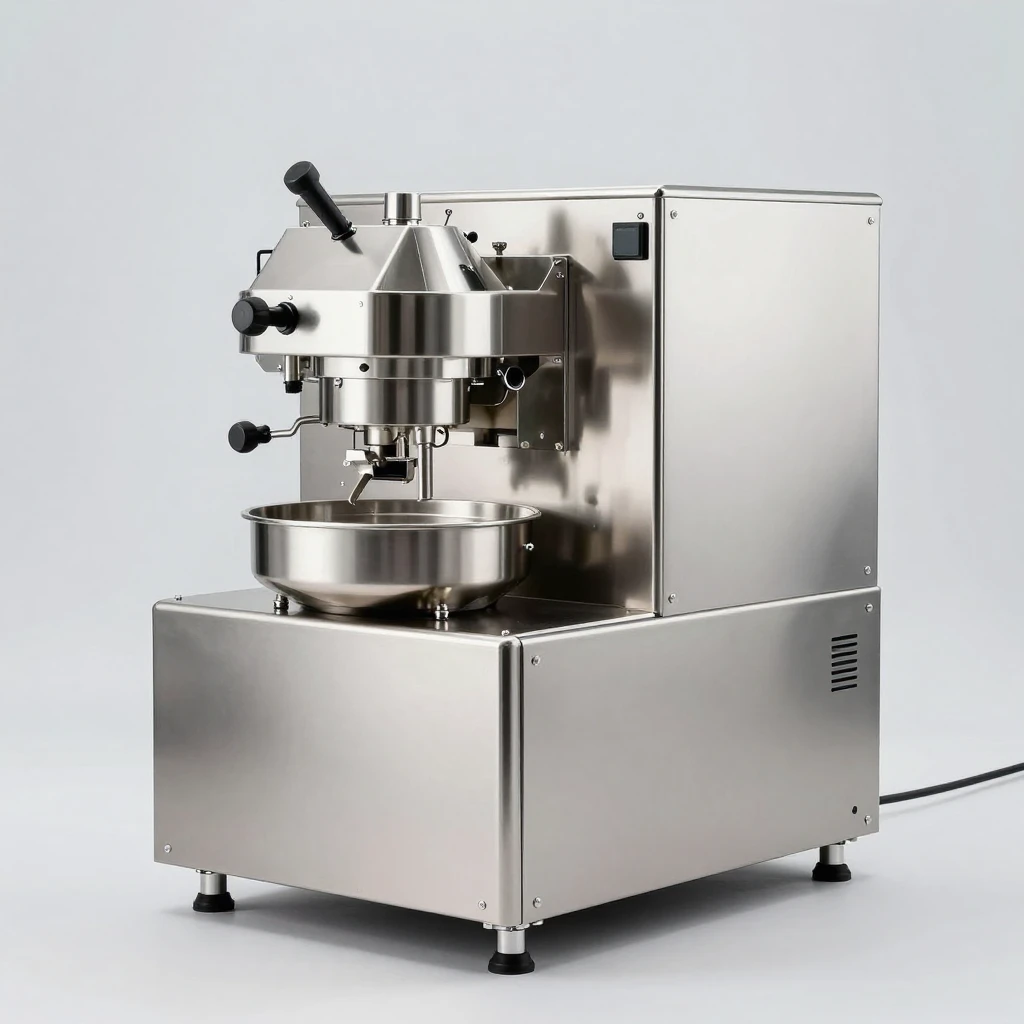
The journey from a raw green bean to a perfectly roasted cup of coffee is a delicate process that requires precision at every step. For roasting businesses looking to scale, the most critical transition occurs during the packaging phase. Investing in a coffee packaging machine is often the single largest capital expenditure a roastery will make, and it is a decision that can either propel the brand to new heights or create years of operational frustration. When done correctly, automation preserves the delicate oils and aromas that coffee lovers crave. However, many business owners fall into common traps that lead to wasted product and inefficient workflows.
Table Of Content
- Underestimating Capacity and Scalability
- Neglecting Freshness and Degassing Requirements
- Ignoring Material Compatibility
- Focusing on Initial Price Instead of Total Cost of Ownership
- Overlooking Technical Support and Part Availability
- Failing to Account for Changeover Time
- The Importance of an Automatic Packaging Machine
- Conclusion
- Frequently Asked Questions
- Does every coffee bag need a degassing valve?
- What is the difference between VFFS and Pre-made pouch machines?
- How does nitrogen flushing work in coffee packaging?
- Can one machine handle both ground coffee and whole beans?
- How long should a coffee packaging machine last?
In this guide, we will explore the most frequent mistakes made during the procurement process and how you can avoid them to ensure your production line remains profitable and reliable.
Underestimating Capacity and Scalability
One of the most frequent errors is purchasing a machine based strictly on today’s production numbers without considering where the business will be in two or three years. If you currently produce 500 bags a day, buying a machine that caps out at 600 bags might seem logical. However, if your brand lands a major retail contract, that machine quickly becomes a bottleneck.
Choosing a system that lacks scalability often leads to a “double investment” where the owner has to sell the small machine at a loss and buy a larger one much sooner than expected. Always look for equipment that offers modular upgrades or has a maximum speed significantly higher than your current average requirement.
Neglecting Freshness and Degassing Requirements
Coffee is a biological product that continues to “breathe” after roasting. Freshly roasted beans release carbon dioxide (CO2). If you pack coffee into a completely sealed bag without a degassing valve, the bag will eventually bloat and potentially burst.
Many buyers make the mistake of choosing a budget machine that does not easily integrate one-way degassing valve applicators or nitrogen flushing systems. Nitrogen flushing is essential because it replaces the oxygen in the bag, preventing the oxidation of coffee oils. If your equipment cannot maintain a low oxygen residual, your coffee’s shelf life will drop from months to weeks.
Ignoring Material Compatibility
Not all packaging films are created equal. The coffee industry often uses thick, high-barrier laminates or eco-friendly compostable materials to protect the beans from light and moisture. A major mistake is assuming that any machine can run any type of film.
Before finalizing a purchase, you must ensure the sealing jaws and the forming tubes of the equipment are compatible with your specific film structure. Some materials require precise heat control or specialized “cool touch” sealing to prevent melting or improper bonds. Always test your intended film on the machine before it leaves the factory floor.
Focusing on Initial Price Instead of Total Cost of Ownership
It is tempting to choose the lowest quote, especially when comparing machines that look similar in photos. However, the purchase price is only a fraction of the total cost of ownership. Low-cost machines often utilize generic parts that are difficult to source locally, or they may lack a robust frame, leading to excessive vibration and frequent mechanical failure.
Consider the following hidden costs:
- Downtime: How much money do you lose every hour the machine is not running?
- Waste: A machine that produces a 5 percent seal failure rate will waste thousands of dollars in coffee and film annually.
- Maintenance: Is the machine easy to clean and grease, or does it require a specialized engineer for basic tasks?
Overlooking Technical Support and Part Availability
Even the best equipment will eventually need a replacement sensor, heating element, or belt. A common pitfall is buying a machine from a vendor that does not have a local support presence. If your production line goes down on a Friday morning and your support team is in a different time zone or speaks a different language, your weekend orders are in jeopardy.
Ensure your partner provides:
- A comprehensive spare parts kit upon delivery.
- Remote diagnostic capabilities via the internet.
- On-site training for your operators to handle basic troubleshooting.
Failing to Account for Changeover Time
If your roastery offers various bag sizes (such as 12oz retail bags and 5lb food service bags), the time it takes to switch between these sizes is vital. Some machines require two hours and a set of specialized tools to change a forming tube. Others utilize “tool-less” designs that allow for a changeover in fifteen minutes. If you change products three times a day, the difference in efficiency can result in hours of extra production time every week.
The Importance of an Automatic Packaging Machine
As your business matures, the transition toward a fully automatic packaging machine becomes a necessity rather than a luxury. While manual or semi-automatic systems are great for startups, they rely heavily on human consistency, which inevitably fluctuates. An automated system provides a level of repeatability that human hands simply cannot match.
By integrating an automatic packaging machine into your facility, you ensure that every seal is identical, every weight is precise, and every degassing valve is placed in the exact same spot. This level of professionalism is what retail buyers look for when deciding which brands to place on their shelves. Beyond the aesthetic benefits, these systems significantly reduce labor costs, allowing your team to focus on the art of roasting and the strategy of sales rather than the repetitive motion of bag filling.
Conclusion
Buying a packaging system is a complex process that requires a balance of technical knowledge and future-focused strategy. By avoiding the trap of low-cost, low-support alternatives and focusing on material compatibility and freshness technology, you can protect your brand’s reputation. A well-chosen system will not only preserve the quality of your roast but will also provide a stable foundation for your company to grow into a market leader.
Frequently Asked Questions
Does every coffee bag need a degassing valve?
Not necessarily for ground coffee that has already off-gassed, but for whole bean coffee packaged shortly after roasting, a degassing valve is essential. It allows CO2 to escape without letting oxygen in, preventing the bag from inflating or bursting.
What is the difference between VFFS and Pre-made pouch machines?
A VFFS (Vertical Form Fill Seal) machine creates the bag from a roll of flat film, which is generally more cost-effective for high volumes. A pre-made pouch machine picks up an existing bag, opens it, and fills it, which is often preferred for premium branding and specific bag shapes like stand-up pouches.
How does nitrogen flushing work in coffee packaging?
Nitrogen flushing involves injecting food-grade nitrogen into the bag just before sealing. Since nitrogen is heavier than oxygen, it pushes the oxygen out. This process is vital for preventing the oils in the coffee from turning rancid.
Can one machine handle both ground coffee and whole beans?
Yes, most modern machines can handle both. However, the dosing system might need to change. Whole beans usually require a linear scale or multi-head weigher, while fine ground coffee is often better served by an auger filler to prevent dust and ensure accuracy.
How long should a coffee packaging machine last?
With proper maintenance and a high-quality build, an industrial-grade machine can last 10 to 15 years or more. The key is regular servicing and using high-quality replacement parts to prevent wear and tear on the motor and drive systems.




No Comment! Be the first one.