


Preserving Heritage Through Skilled Hands and Timeless Himalayan Craft
Craft traditions across the Himalayan region reflect a deep relationship between culture, spirituality, and skilled manual work. Every item created carries a sense of origin, shaped not just by...

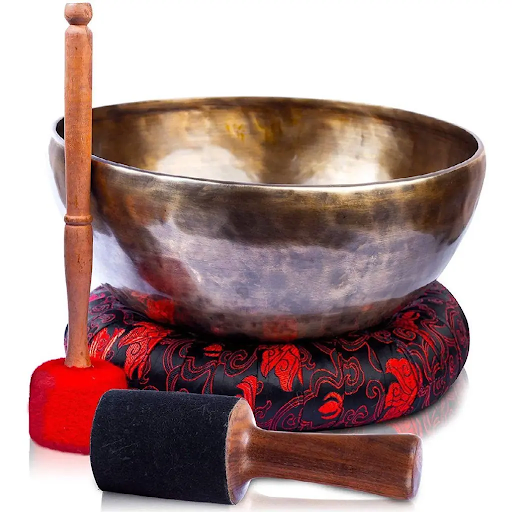
Craft traditions across the Himalayan region reflect a deep relationship between culture, spirituality, and skilled manual work. Every item created carries a sense of origin, shaped not just by materials but by generations of knowledge passed through artisan communities. These objects are not simply decorative or functional but are rooted in lived traditions.
Table Of Content
- Understanding the Depth of Himalayan Craft Traditions
- The Role of Artisans in Sustaining Cultural Identity
- Materials That Define Himalayan Craftsmanship
- Product Categories That Reflect Regional Expertise
- Exploring the Craftsmanship Behind Everyday Objects
- Handcrafted Singing Bowl Formation
- Traditional Jewelry Crafting
- Prayer Flag Production
- Textile Weaving Practices
- Market Demand for Ethical and Handmade Products
- The Value of Authentic Sourcing and Distribution
- Why Authenticity Matters in Himalayan Craft Products
- Integrating Himalayan Crafts into Modern Spaces
- Final Thoughts
At the core of this ecosystem is artisan led Himalayan craftsmanship, where products are shaped through human skill rather than industrial automation. This approach ensures authenticity in both form and process, resulting in pieces that maintain cultural relevance while serving modern lifestyles with integrity.
Understanding the Depth of Himalayan Craft Traditions
Himalayan craftsmanship is influenced heavily by geography and spiritual practices. Materials such as wool, brass, copper, and natural fibers are sourced locally and adapted into products used in both everyday life and ritual settings. These traditions are embedded within community structures rather than external production systems.
The methods used remain consistent across generations, with subtle refinements introduced over time. This continuity ensures that craft practices remain alive rather than preserved as static artifacts. The result is a living tradition that evolves without losing its identity.
The Role of Artisans in Sustaining Cultural Identity
Artisans act as carriers of cultural memory, preserving techniques that define regional identity. Their work reflects both technical expertise and symbolic meaning, often tied to spiritual or ceremonial use. Many artisans operate within family systems where knowledge is transferred through observation and practice.
Sustaining these crafts also supports rural livelihoods. Continued demand for handmade goods allows artisans to remain within their communities while contributing economically. This balance strengthens both cultural continuity and local economies.
Materials That Define Himalayan Craftsmanship
Material selection is central to the authenticity of Himalayan products. Metals such as brass and bronze are widely used in crafting singing bowls and ritual items, while natural fibers are utilized in textiles and prayer flags. These materials are chosen for both durability and symbolic relevance.
Natural processing methods enhance the individuality of each piece. Slight variations in texture, tone, and finish are inherent to handmade production and serve as indicators of authenticity rather than defects.
Product Categories That Reflect Regional Expertise
Himalayan Bazaar offers a curated range of products that reflect authentic regional craftsmanship. These categories align closely with traditional practices and spiritual usage.
- Handcrafted Tibetan singing bowls made from traditional metal blends
- Prayer flags and spiritual decor items used in Himalayan cultures
- Handmade jewelry inspired by Tibetan and Nepalese designs
- Wool-based and textile products rooted in traditional weaving methods
Each category reflects a specific aspect of Himalayan craftsmanship, combining function with cultural expression.
Exploring the Craftsmanship Behind Everyday Objects
Even everyday objects within Himalayan traditions are created with intention and precision. Items are not mass-produced but carefully shaped to meet both practical and symbolic needs. This approach results in products that feel purposeful and enduring.
Design choices are influenced by cultural practices, ensuring that objects remain relevant within both traditional and modern contexts. This balance allows handcrafted goods to integrate seamlessly into contemporary lifestyles.
Handcrafted Singing Bowl Formation
Singing bowls are shaped using traditional hammering techniques that influence their structure and sound quality. Each bowl is tuned through repeated manual adjustments, resulting in distinct tonal properties. This process requires both experience and precision.
Traditional Jewelry Crafting
Jewelry pieces are designed using culturally significant motifs and handcrafted methods. Materials are selected for their symbolic meaning as well as their durability. Each piece reflects regional identity while remaining adaptable for modern use.
Prayer Flag Production
Prayer flags are created using natural fabrics and traditional printing techniques. The symbols and mantras printed on them hold spiritual significance and are intended for outdoor display. Their production follows established cultural guidelines.
Textile Weaving Practices
Textile products are woven using manual techniques that emphasize durability and texture. These items often serve both decorative and functional purposes. The weaving process reflects a deep understanding of material behavior.
Market Demand for Ethical and Handmade Products
Consumer preferences have shifted toward products that offer transparency and authenticity. Handmade Himalayan goods meet this demand by providing clear connections between artisans and finished products. This transparency adds value beyond visual appeal.
As global markets expand, maintaining authenticity becomes increasingly important. Genuine handcrafted products stand apart from imitations through their material quality and production methods.
The Value of Authentic Sourcing and Distribution
Authentic sourcing ensures that products remain true to their origin. This involves working directly with artisan communities and maintaining clarity around materials and processes. Responsible distribution supports both quality and ethical practices.
Curated platforms help connect these products with global audiences while preserving their integrity. They act as intermediaries that uphold standards without diluting authenticity.
Why Authenticity Matters in Himalayan Craft Products
Authenticity encompasses more than appearance. It includes the entire journey of a product, from raw material to finished form. Handmade items carry subtle variations that reflect human involvement, making each piece unique.
Within this context, authentic Nepalese handicrafts represent a system rooted in sustainability, skill, and cultural continuity. Their relevance extends beyond tradition into modern spaces where authenticity is increasingly valued.
Integrating Himalayan Crafts into Modern Spaces
Himalayan handcrafted items adapt well to contemporary environments due to their natural textures and understated design. They introduce depth and cultural meaning without overwhelming modern aesthetics. This adaptability makes them suitable for a variety of interior styles.
These products serve as focal elements that connect modern living spaces with traditional craftsmanship. Their presence adds both visual and cultural richness to everyday environments.
Final Thoughts
What truly defines value in handcrafted goods when compared to industrial alternatives? The answer lies in authenticity, cultural depth, and the human effort embedded in every piece. Himalayan Bazaar stands as a platform that brings these elements together through carefully sourced collections that remain true to their origins.
Understanding the benefits of Tibetan singing bowls reveals how these products extend beyond visual appeal into experiential and functional use. Their sound properties, combined with traditional crafting methods, highlight the depth of Himalayan artistry. Through responsible sourcing and curated offerings, such platforms ensure that these traditions continue to thrive in modern markets.




No Comment! Be the first one.