


Chronic Back Pain Relief: Proven Treatments That Actually Work in 2026
Chronic back pain is one of the most common health challenges affecting adults today. It can limit mobility, reduce productivity, disturb sleep, and significantly impact overall quality of life....

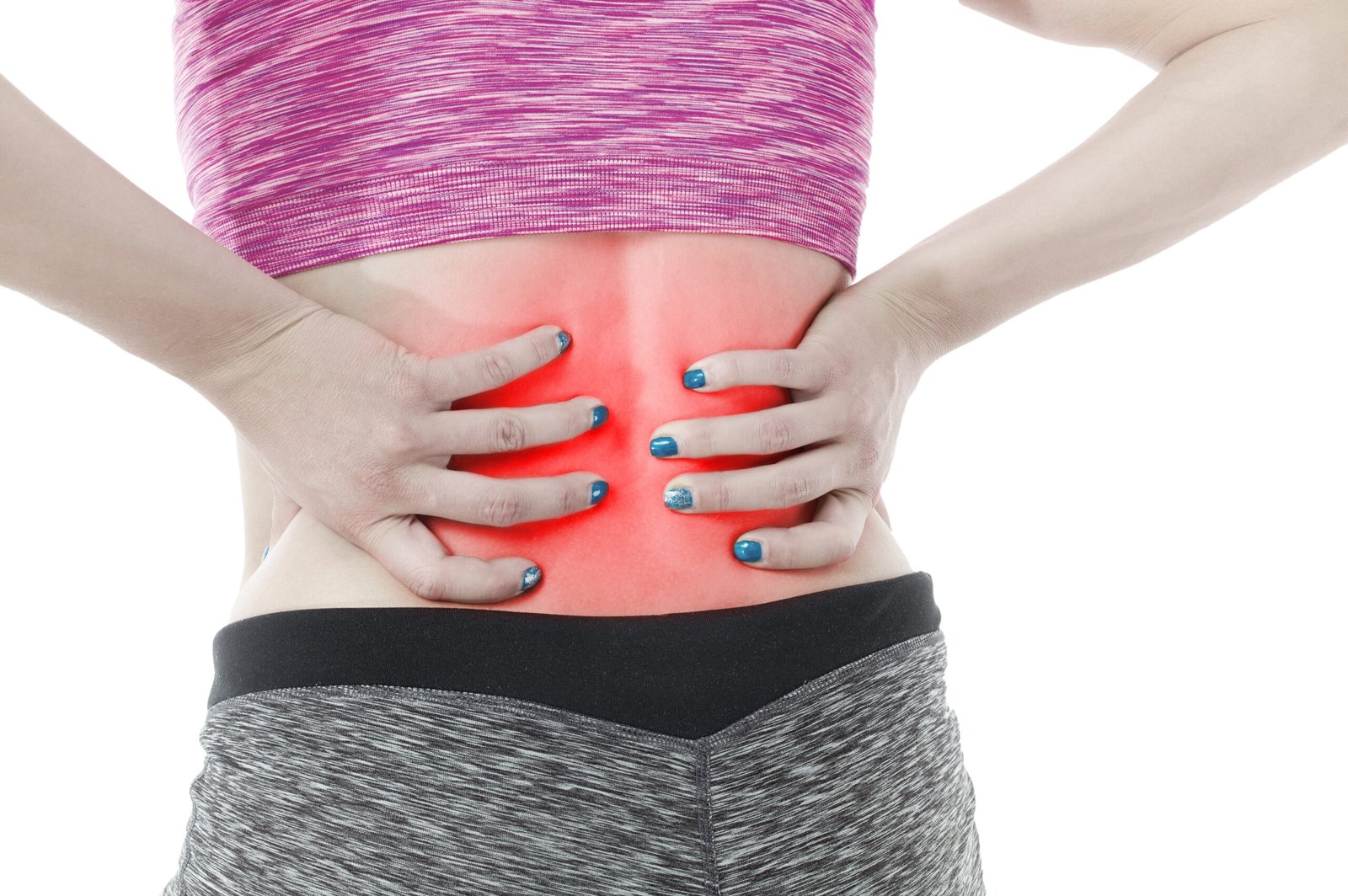
Chronic back pain is one of the most common health challenges affecting adults today. It can limit mobility, reduce productivity, disturb sleep, and significantly impact overall quality of life. While many people try temporary fixes, long-term relief requires a more structured and evidence-based approach.
Table Of Content
- Understanding Chronic Back Pain
- 1. Physical Therapy: The Foundation of Long-Term Relief
- 2. Targeted Exercise Therapy
- 3. Manual Therapy and Hands-On Care
- 4. Posture and Ergonomics
- 5. Pain Management Techniques
- 6. Lifestyle Improvements
- 7. Integrated Wellness Approach
- Why Choose Us
- Frequently Asked Questions
- 1. What is the most effective treatment for chronic back pain?
- 2. Can chronic back pain be cured completely?
- 3. How long does physical therapy take to show results?
- 4. Is exercise safe for chronic back pain?
- 5. When should I seek professional help?
- Final Thoughts
In 2026, advancements in rehabilitation, physical therapy, and integrative wellness approaches have made it more possible than ever to manage and significantly reduce chronic back pain without relying heavily on medication or invasive surgery.
This guide explores proven, practical, and modern approaches to chronic back pain relief that actually work.
Understanding Chronic Back Pain
Chronic back pain is generally defined as pain lasting 12 weeks or longer, even after the initial injury or cause has healed. Unlike acute pain, which signals immediate injury, chronic pain often continues due to:
- Muscle imbalances
- Nerve irritation
- Poor posture habits
- Degenerative disc conditions
- Long-term inflammation
- Previous untreated injuries
Over time, pain can create a cycle: reduced movement increases stiffness and discomfort.
That is why modern treatment focuses on restoring movement, strength, and function—not just masking pain.
1. Physical Therapy: The Foundation of Long-Term Relief
Physical therapy remains one of the most effective approaches for relieving chronic back pain. In 2026, treatment is more personalized, combining manual therapy, corrective exercises, and functional movement training.
Benefits include:
- Strengthening core stability
- Improving flexibility
- Correcting posture
- Reducing spinal pressure
- Preventing recurrence
Unlike temporary solutions, physical therapy targets the root cause of pain for lasting results.
Patients seeking chronic pain treatment in Gloucester County NJ, often benefit from integrated wellness programs that combine multiple therapies for better outcomes.
2. Targeted Exercise Therapy
Movement is essential for healing. However, the right type of exercise is critical.
Common therapeutic exercises include:
- Core strengthening
- Low-impact aerobic activity
- Stretching for the hips and hamstrings
- Functional movement training
Even short daily sessions can reduce stiffness, improve circulation, and support spinal health.
3. Manual Therapy and Hands-On Care
Manual therapy helps restore movement and reduce muscle tension through skilled hands-on techniques.
These include:
- Soft tissue release
- Spinal mobilization
- Trigger point therapy
- Myofascial release
When combined with exercise therapy, it accelerates recovery and improves mobility more effectively.
4. Posture and Ergonomics
Poor posture is a leading cause of chronic back pain in modern lifestyles.
Treatment focuses on:
- Proper sitting posture
- Desk ergonomics
- Standing alignment
- Movement awareness
Small daily adjustments can significantly reduce strain on the spine.
5. Pain Management Techniques
Non-invasive pain management supports recovery and improves comfort during rehabilitation.
These may include:
- Electrical stimulation
- Therapeutic ultrasound
- Heat and cold therapy
- Relaxation techniques
These methods reduce inflammation and muscle tension, making movement easier.
6. Lifestyle Improvements
Long-term relief depends heavily on daily habits.
Key changes include:
- Staying active
- Maintaining a healthy weight
- Improving sleep posture
- Reducing stress
- Avoiding prolonged sitting
Consistency in lifestyle habits plays a major role in the success of recovery.
7. Integrated Wellness Approach
Modern care combines multiple therapies into one structured plan for better results.
A comprehensive program may include:
- Physical therapy
- Exercise rehabilitation
- Manual therapy
- Postural training
- Lifestyle coaching
This approach ensures both short-term relief and long-term healing.
Why Choose Us
Choosing the right care provider is essential for lasting recovery. Our approach focuses on treating the root cause of pain rather than just symptoms.
- Personalized treatment plans based on your condition.
- Experienced professionals in physical therapy and rehabilitation.
- Advanced non-invasive pain relief techniques.
- Focus on long-term recovery and mobility restoration.
- Integrated wellness approach for complete care.
- Patient-centered support throughout your healing journey.
We are committed to helping you regain strength, improve movement, and return to a pain-free lifestyle through proven, evidence-based care.
Frequently Asked Questions
1. What is the most effective treatment for chronic back pain?
Physical therapy combined with targeted exercises and manual therapy is considered one of the most effective long-term solutions.
2. Can chronic back pain be cured completely?
While not all cases are “cured,” most people experience significant improvement and long-term management with proper treatment.
3. How long does physical therapy take to show results?
Many patients notice improvement within a few weeks, but long-term recovery depends on the severity and consistency of the condition.
4. Is exercise safe for chronic back pain?
Yes, but it must be guided. Incorrect exercise can worsen pain, so professional supervision is recommended.
5. When should I seek professional help?
If pain persists for more than 12 weeks or impairs daily activities, professional evaluation is strongly recommended.
Final Thoughts
Chronic back pain can feel limiting, but it is highly manageable with the right approach. In 2026, treatment focuses on long-term recovery rather than temporary relief.
A combination of physical therapy, exercise, manual therapy, posture correction, and lifestyle improvements provides the most reliable results.
With consistent care and the right guidance, lasting chronic back pain relief is absolutely achievable.




No Comment! Be the first one.