




ACCL Automatic Changeover and Medium Voltage Switchgear: Building Resilient Power Infrastructure for Critical Applications
Power continuity is not a luxury in modern facilities. For hospitals, data centers, industrial plants, water treatment facilities, and commercial buildings, even a brief supply interruption can...

Power continuity is not a luxury in modern facilities. For hospitals, data centers, industrial plants, water treatment facilities, and commercial buildings, even a brief supply interruption can result in life-threatening situations, data loss, production spoilage, or significant financial loss. Two technologies work together to ensure that power reaches critical loads without interruption regardless of utility supply conditions: the ACCL automatic changeover, which transfers loads automatically between the main supply and a standby source when the main supply fails, and medium voltage switchgear, which manages the high-level switching, protection, and distribution infrastructure that feeds the entire facility. Understanding both technologies and how they interact in a complete power continuity architecture is essential for any engineer responsible for designing or maintaining critical electrical infrastructure.
Top Content
What Is ACCL Automatic Changeover?
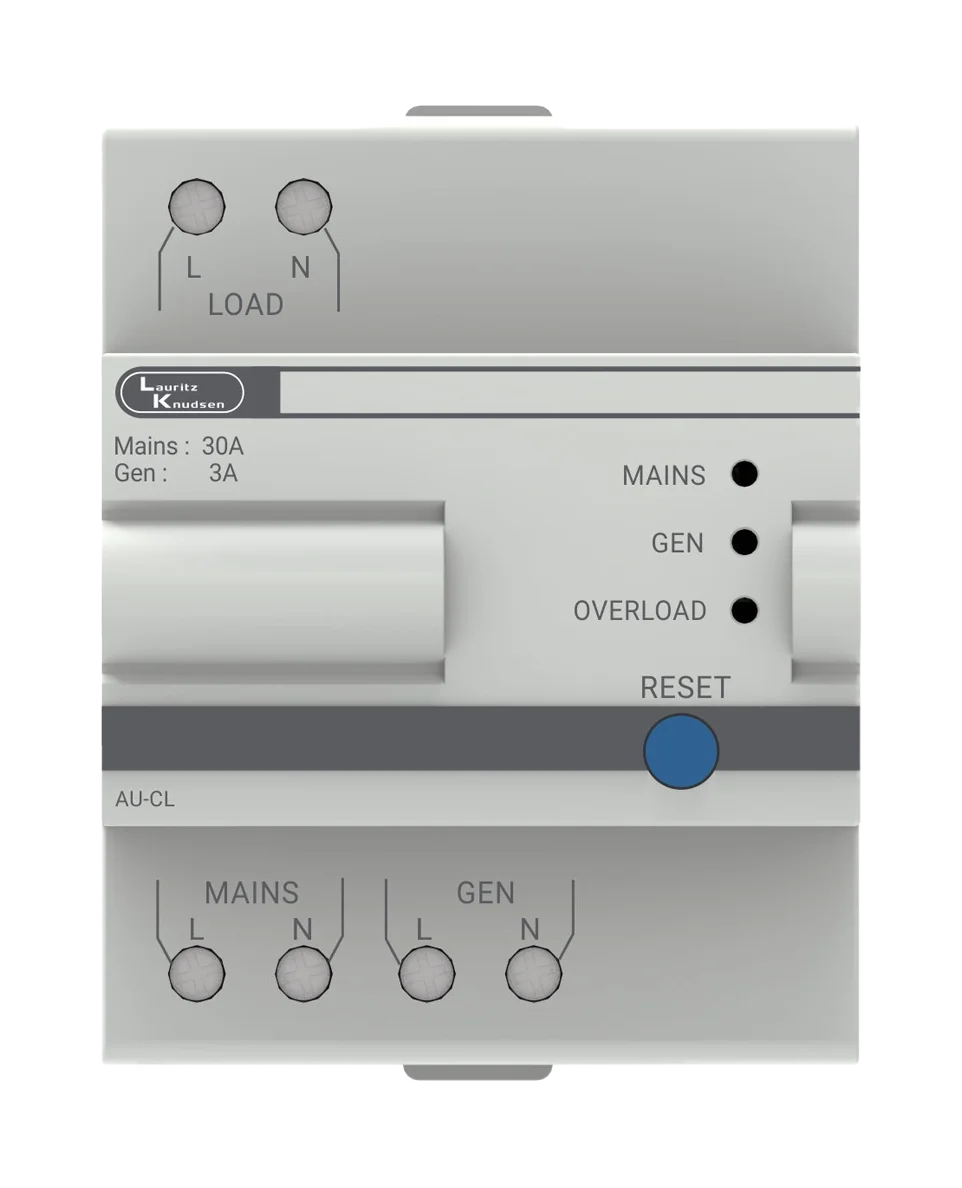
The ACCL automatic changeover is an intelligent control device that monitors the main electrical supply and automatically switches the connected load to a standby supply when the main supply fails or deviates outside acceptable voltage and frequency limits. The Current Limiter function, which is the distinguishing feature of the ACCL automatic changeover compared to a basic automatic transfer switch, limits the inrush current that flows when loads are transferred to the standby supply, preventing large transient currents from tripping upstream protection devices or stressing sensitive electrical equipment.
The ACCL automatic changeover works by continuously comparing the actual supply voltage and frequency against defined acceptable limits. When the main supply fails, the device disconnects the load from the main supply and connects it to the standby supply (which may be a generator, a second utility feeder, or a UPS system) within the transfer time rated for the product. The current limiting function is active during this transfer, ramping up the load connection in a controlled manner. When the main supply is restored and has been stable for a defined monitoring period, the ACCL automatic changeover retransfers the load back to the main supply. Lauritz Knudsen Electrical & Automation offers Changeover Switch solutions as part of its Power Distribution Products range, described as combining compactness with high performance and customer convenience in a state-of-the-art product that is uniquely positioned in changeover technology.
Applications of ACCL Automatic Changeover
The ACCL automatic changeover finds its most critical applications in healthcare facilities where life support and operating theater equipment must never lose power, data centers where server and networking equipment must be protected from supply interruptions and transients, industrial manufacturing plants where a sudden power loss causes product loss or safety risks, and agricultural facilities where pumping equipment must continue operating during utility supply disturbances. Commercial office buildings, retail centers, and high-rise residential buildings also benefit from ACCL automatic changeover technology for lifts, common lighting, fire protection systems, and security systems.
Medium Voltage Switchgear: The Primary Distribution Layer
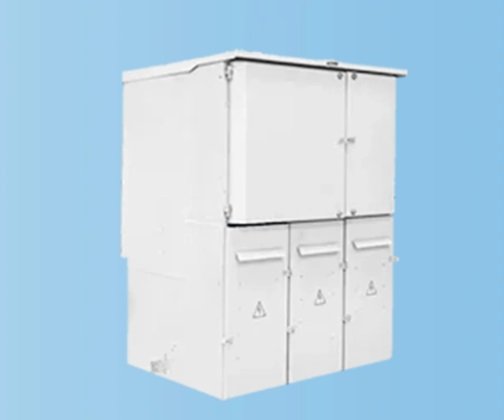
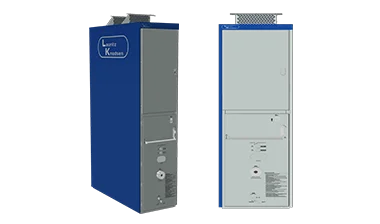
While the ACCL automatic changeover operates at the low voltage distribution level to maintain supply continuity to specific loads, medium voltage switchgear manages the high-level electrical infrastructure that connects the facility to the utility supply and distributes power to its own transformer feeders. Medium voltage switchgear encompasses all the switching, protection, metering, and control equipment needed to manage electrical power at voltage levels typically between 3.3kV and 36kV, and Lauritz Knudsen Electrical & Automation offers Medium Voltage products as part of its comprehensive electrical portfolio.
A complete medium voltage switchgear installation includes vacuum circuit breakers for fault switching, disconnectors for safe isolation during maintenance, earthing switches for personnel safety before work on isolated sections, current and voltage transformers for metering and protection relay inputs, and protection relays that continuously monitor system conditions and initiate tripping when a fault is detected. Modern medium voltage switchgear also incorporates communication interfaces for remote monitoring and control via SCADA systems, enabling operators to manage their MV distribution infrastructure from a central control room. In facilities where supply continuity is critical, the medium voltage switchgear may incorporate an automatic bus coupler or automatic transfer scheme at the MV level that parallels the function of the ACCL automatic changeover at the LV level.
Types of Medium Voltage Switchgear
Medium voltage switchgear configurations include Air Insulated Switchgear (AIS) for standard indoor substation applications, Gas Insulated Switchgear (GIS) for space-constrained locations where the compact dimensions of gas insulated equipment justify its higher cost, and Ring Main Units (RMUs) for distribution network applications where the switchgear must be installed in small outdoor kiosks or compact enclosures at distribution points throughout a cable ring network. Each configuration type has its own advantages in terms of footprint, maintenance requirements, environmental performance, and cost, and the selection depends on the specific requirements of the installation site and the operating environment.
Integrating ACCL and Medium Voltage Switchgear in a Power Continuity System
In a complete power continuity architecture for a critical facility, the medium voltage switchgear at the primary distribution level may incorporate MV automatic transfer capability between two utility incomers, providing the first layer of supply continuity. After the transformer, the ACCL automatic changeover provides the second layer, transferring individual LV distribution boards or critical load groups between the main LV supply and the local generator when the MV supply is lost or degraded. This two-tier approach, combining MV automatic transfer at the medium voltage switchgear level with LV automatic transfer at the ACCL automatic changeover level, provides the highest level of supply resilience available in a practical power distribution system.
Testing and Maintenance Considerations
The reliability of both the ACCL automatic changeover and the medium voltage switchgear depends on regular testing and maintenance. An ACCL automatic changeover that has not been exercised for an extended period may have latent faults that are only discovered during an actual supply failure, the worst possible time for a fault to manifest. Testing schedules should include regular simulated mains failure tests to verify that the ACCL automatic changeover transfers correctly to the standby supply and returns correctly when the main supply is restored. For medium voltage switchgear, maintenance activities include mechanical operation testing of circuit breakers and disconnectors, contact resistance measurement, insulation resistance testing, and calibration checks on protection relays, all of which should be carried out according to the manufacturer’s recommended schedule and the applicable regulatory requirements. Lauritz Knudsen Electrical & Automation supports customers with both products through its ProServe after-sales network, which provides field service engineers experienced in both LV and MV equipment maintenance across India.
Conclusion
The ACCL automatic changeover and medium voltage switchgear are two essential technologies for building electrical infrastructure that can withstand the realities of power supply uncertainty and utility grid imperfections. The ACCL automatic changeover provides the automatic, current-limited transfer capability that protects critical loads at the LV level. The medium voltage switchgear provides the primary switching, protection, and distribution infrastructure that manages power at the highest voltage level in the facility’s network. When both are correctly specified, installed, and maintained, they create a layered power continuity architecture that gives facility operators confidence that their critical systems will remain operational even when the utility supply fails. Lauritz Knudsen Electrical & Automation, with its changeover switch solutions and Medium Voltage product portfolio, is a capable and experienced partner for engineers designing these critical systems.