


Why Insurance Licensing and Appointment Processes Feel Difficult
In modern insurance operations, compliance teams often deal with increasing complexity when managing licensing and carrier appointments. These processes are fundamental to regulatory compliance, yet...

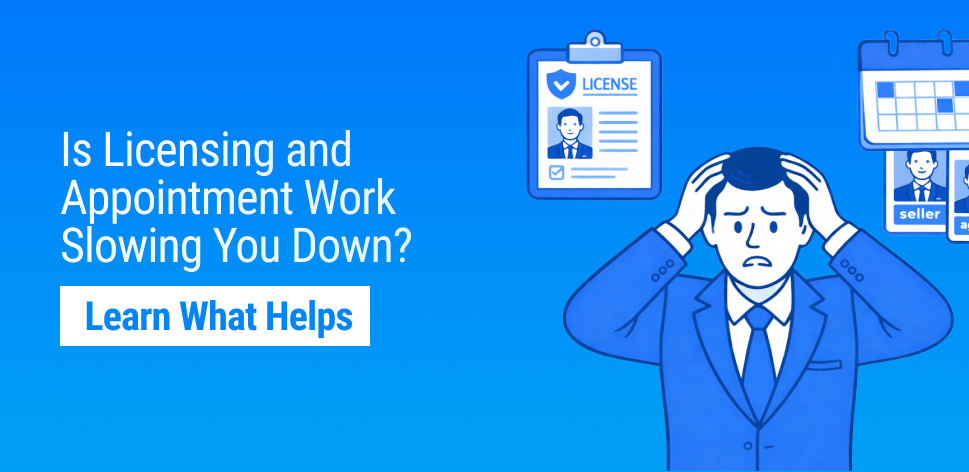
In modern insurance operations, compliance teams often deal with increasing complexity when managing licensing and carrier appointments. These processes are fundamental to regulatory compliance, yet they frequently become inefficient due to fragmented systems and manual workflows.Insurance compliance means meeting regulatory requirements defined by state authorities. In the United States insurance industry, each state has its own licensing rules, renewal timelines, and appointment requirements. This creates challenges for insurance agencies, carriers, and MGAs operating across multiple states.A producer license allows an individual to legally sell insurance. A carrier appointment authorizes that individual to represent a specific insurance carrier. Both must remain active and aligned to ensure compliance.
Table Of Content
Where Compliance Complexity Begins
The primary issue is system fragmentation. Licensing data, appointment tracking, and producer code management are often handled across separate platforms.A producer code is a unique identifier assigned by a carrier to track a producer’s activity. Without accurate producer code tracking, compliance gaps can develop.For example, a producer may have an active license but lack a valid appointment. In other cases, outdated producer code records can create inconsistencies.
How Compliance Workflows Function
Insurance compliance workflows typically follow structured steps:
- Verify license through NIPR
- Confirm carrier appointment
- Assign producer code
- Track renewal deadlines
- Generate compliance reports
Each step depends on real-time and accurate data.
👉 Learn more: https://www.tumblr.com/agenzee1/812495551532859392/new-york-2025-premium-tax-rules-brokers
Compliance Risks Organizations Face
Regulatory guidelines require carriers to verify licensing and appointment status before allowing producers to conduct business.
Common risks include:
- Expired licenses
- Missing or inactive appointments
- Incorrect producer code records
- Missed renewal deadlines
Why Manual Processes Create Challenges
Many organizations still rely on spreadsheets and manual tracking systems. As operations scale, these processes become inefficient.
Manual workflows lead to:
- Data entry errors
- Delayed updates
- Limited visibility
- Increased administrative workload
How Automation Improves Compliance
Modern insurance organizations use platforms like Agenzee to centralize workflows.
Automation enables:
- Real-time license tracking
- Automated appointment validation
- Centralized producer code management
- Renewal alerts and reporting
Conclusion
Insurance licensing and appointment workflows often feel difficult due to fragmented systems and manual processes. Centralized automation platforms help reduce complexity and improve compliance accuracy.
👉 https://agenzee.com/why-licensing-and-appointment-work-feels-harder-than-it-should/






No Comment! Be the first one.