


Female Fertility: Age and Its Impact Explained Clearly
Female fertility naturally changes with age. While many women can conceive without difficulty in their younger years, fertility gradually declines over time. Understanding how age affects female...

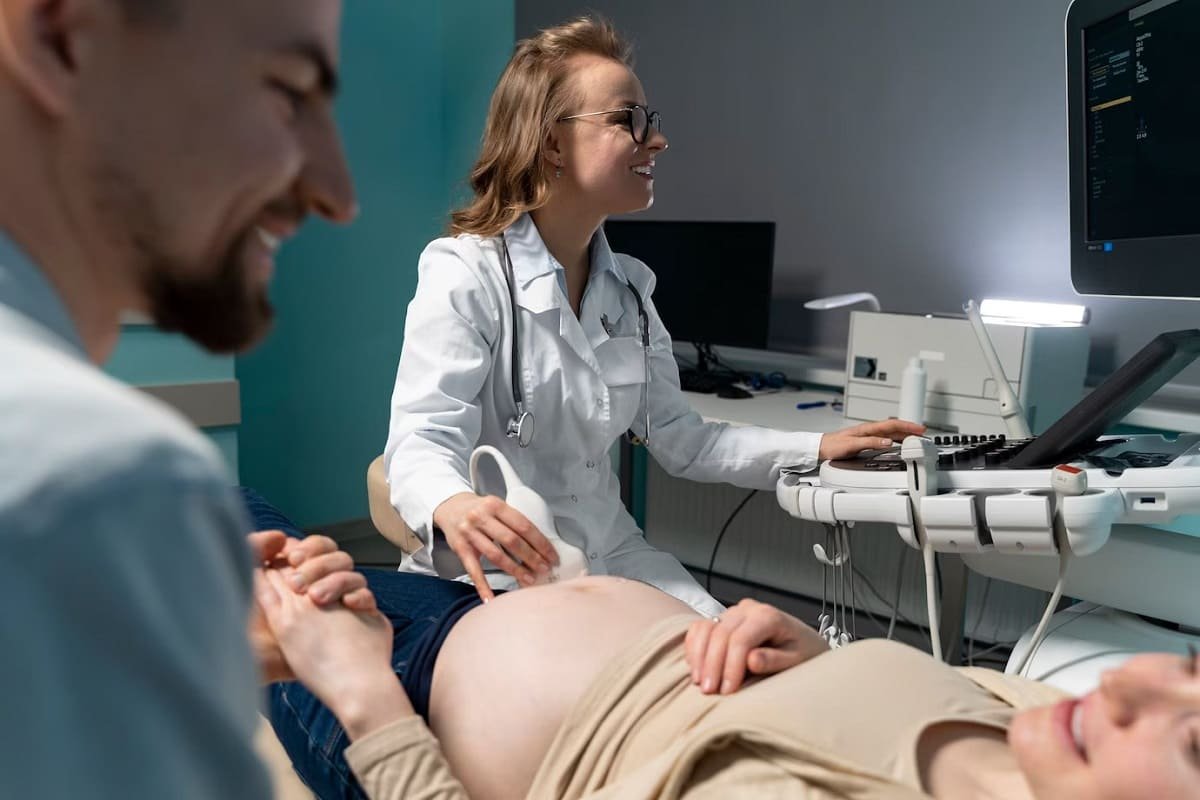
Female fertility naturally changes with age. While many women can conceive without difficulty in their younger years, fertility gradually declines over time. Understanding how age affects female fertility helps you make informed decisions about family planning. This guide explains the impact of age, signs to watch for, and when to consider female infertility treatment or fertility treatment for women.
Table Of Content
- Why Age Matters in Female Fertility
- Fertility in Your 20s
- Fertility in Your Early 30s
- Fertility After 35
- Fertility After 40
- How Age Affects Egg Quality
- Signs of Age-Related Fertility Decline
- Can You Improve Fertility with Age?
- When to Seek Female Infertility Treatment
- Fertility Treatment for Women
- Emotional Impact of Age and Fertility
- Tips for Women in Dubai
- Final Thoughts
- Disclaimer
Why Age Matters in Female Fertility
Age is one of the most important factors in female fertility. Women are born with a fixed number of eggs, and this number decreases over time. In addition, the quality of eggs also declines with age.
As a result, both the chances of conception and the likelihood of a healthy pregnancy change. Therefore, being aware of age-related fertility changes can help you plan better and take timely action.
Fertility in Your 20s
The 20s are considered the peak years for female fertility. During this time, egg quality and quantity are at their highest. In addition, ovulation is usually regular, which increases the chances of natural conception.
Most women in their 20s have a higher success rate when trying to conceive. Moreover, the risk of complications during pregnancy is generally lower. Therefore, this age group offers the best chances for natural fertility.
Fertility in Your Early 30s
Fertility remains relatively high in the early 30s, although it begins to decline slowly. Egg quality is still good, but there may be a slight reduction compared to the 20s.
However, many women in this age group conceive without difficulty. In addition, healthy lifestyle choices can support fertility during this stage. Therefore, while there is a gradual decline, the chances of pregnancy are still strong.
Fertility After 35
After the age of 35, the decline in female fertility becomes more noticeable. Both the number and quality of eggs decrease more rapidly. As a result, it may take longer to conceive.
In addition, the risk of miscarriage and chromosomal abnormalities increases. Therefore, women in this age group are often advised to seek medical advice if they face difficulty in conceiving.
Despite these challenges, many women still achieve successful pregnancies with the right support and care.
Fertility After 40
Fertility declines significantly after 40. Egg quality is lower, and ovulation may become irregular. As a result, natural conception becomes more difficult.
In addition, the chances of pregnancy complications are higher. However, fertility treatment for women, such as IVF, can improve the chances of success. Therefore, consulting a specialist is important at this stage.
How Age Affects Egg Quality
Egg quality is a key factor in female fertility. As women age, the likelihood of genetic abnormalities in eggs increases. This can affect embryo development and pregnancy outcomes.
Therefore, even if ovulation occurs regularly, egg quality may still impact fertility. Understanding this helps explain why age plays such a significant role in conception.
Signs of Age-Related Fertility Decline
There are several signs that may indicate age-related fertility changes. These include irregular menstrual cycles, lighter or heavier periods, and difficulty conceiving.
In addition, hormonal changes may cause symptoms such as fatigue or mood swings. Therefore, paying attention to these signs can help you seek timely care.
Can You Improve Fertility with Age?
Although age cannot be reversed, certain steps can support reproductive health. Maintaining a healthy lifestyle is one of the most effective ways to improve fertility.
Eating a balanced diet, staying active, and managing stress can help regulate hormones. In addition, avoiding smoking and limiting alcohol intake are important.
While these steps may not completely prevent age-related decline, they can improve overall fertility and increase your chances of conception.
When to Seek Female Infertility Treatment
Knowing when to seek help is essential. Women under 35 are usually advised to try for one year before consulting a doctor. However, women over 35 should seek medical advice after six months of trying.
Early evaluation can identify potential issues and improve treatment outcomes. Female infertility treatment options vary depending on the cause and age.
Therefore, timely consultation with a fertility specialist can make a significant difference.
Fertility Treatment for Women
There are several fertility treatment options available today. Doctors may recommend medications to stimulate ovulation or regulate hormones.
In more complex cases, assisted reproductive techniques such as IUI or IVF may be suggested. These treatments can increase the chances of pregnancy, especially for older women.
In addition, some women may consider options like egg freezing at a younger age. This allows them to preserve fertility for the future.
Emotional Impact of Age and Fertility
Age-related fertility challenges can be emotionally difficult. Many women feel stress, anxiety, or pressure when trying to conceive later in life.
Therefore, emotional support is very important. Talking to a partner, family, or counselor can help you cope with these feelings. Maintaining a positive mindset also supports your overall well-being.
Tips for Women in Dubai
Women in Dubai often balance busy careers and personal goals. As a result, family planning may be delayed. However, understanding the impact of age on female fertility can help in making informed decisions.
Regular health check-ups, healthy lifestyle habits, and early consultation with specialists can support better outcomes. In addition, access to advanced fertility treatment for women in Dubai provides more options for those facing challenges.
Final Thoughts
Age plays a major role in female fertility, affecting both egg quality and quantity over time. While fertility is highest in the 20s and early 30s, it gradually declines after 35 and more significantly after 40.
However, understanding these changes allows you to plan ahead and seek help when needed. Whether through natural methods or female infertility treatment, many options are available today. With the right care and guidance, achieving your fertility goals is still possible.
Disclaimer
This content is for informational purposes only and should not be considered medical advice. Always consult a qualified healthcare provider or fertility specialist before starting any treatment or making medical decisions related to female fertility or infertility.




No Comment! Be the first one.