Smoked BMW Tail Lights: Are They Legal in the USA?
Smoked BMW tail lights can enhance your car’s style, but their legality in the USA depends on visibility and compliance with federal and state regulations. While FMVSS allows tinted lights if they...

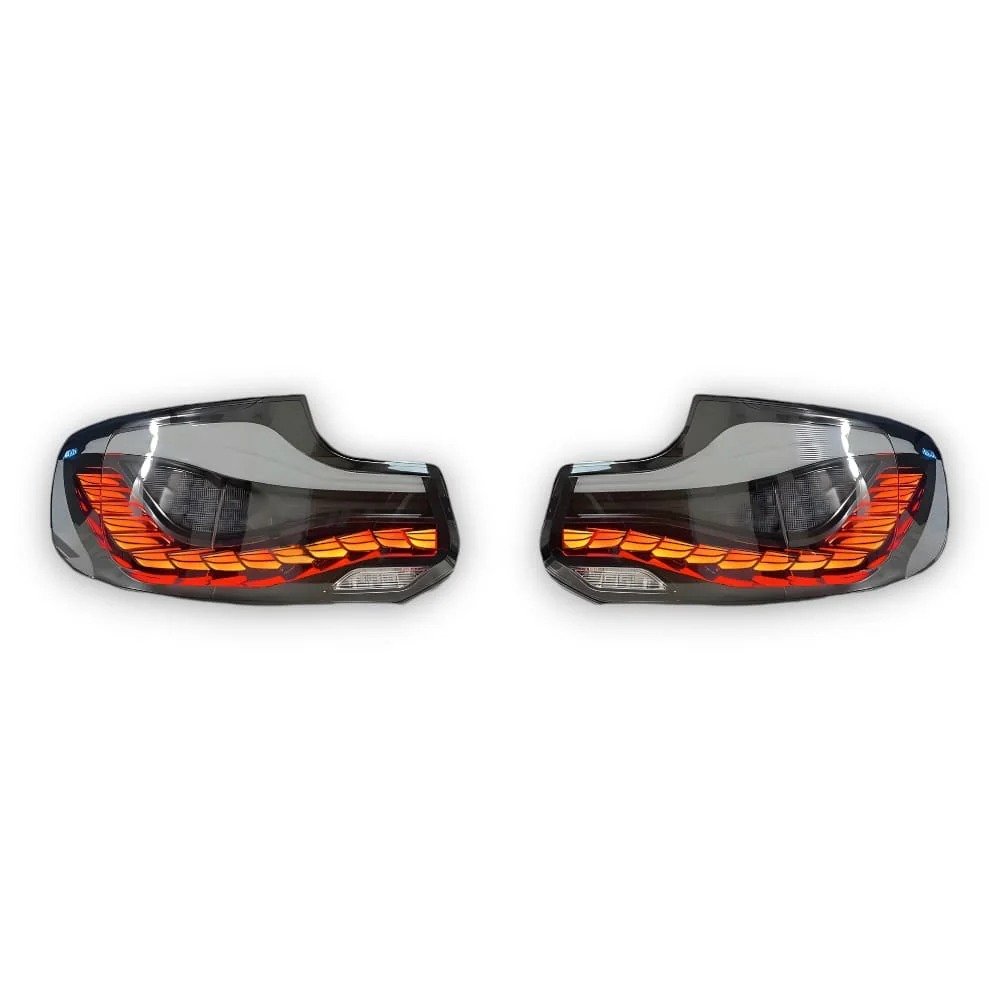
BMW owners love customizing their rides to stand out. Smoked tail lights offer that sleek, aggressive look that turns heads on the highway. These tinted assemblies replace stock clear lenses with darker shades, often black or gray, for a modern edge. Yet, as appealing as they seem, questions about legality arise quickly. In the United States, vehicle modifications must balance style with safety and compliance. This post breaks down the rules, state variations, and smart choices to keep your BMW road-legal.
Table Of Content
Federal Standards Set the Baseline
All vehicles sold in the U.S. follow Federal Motor Vehicle Safety Standards (FMVSS), overseen by the National Highway Traffic Safety Administration (NHTSA). FMVSS 108 governs lighting, requiring tail lights to emit red light visible from 500 feet in normal atmospheric conditions. No federal law outright bans smoked tail lights. Instead, it mandates functionality. If your smoked lenses allow enough light transmission for visibility, they comply at the national level.
Stock BMW tail lights already meet these specs. Aftermarket smoked versions must too. Manufacturers test transmittance rates, often around 70-80% for legal options, ensuring brake and turn signals shine bright enough. Darkness beyond this risks failure. Always check product specs against FMVSS guidelines, available on the NHTSA website.
State Laws Add Layers of Complexity
While federal rules provide a foundation, states handle enforcement through vehicle codes. California, for example, bans any tint reducing light output below OEM levels under Vehicle Code 26100. Smoked tail lights that dim signals too much trigger citations. Texas takes a practical approach in its Transportation Code Section 547.322, allowing modifications if they remain visible from 1,000 feet at night.
New York and Florida enforce stricter DOT inspections. Annual checks there flag overly dark lights. A quick scan of state DMV sites reveals patterns: Western states like Colorado permit light smoke if signals penetrate clearly, while Eastern ones like Pennsylvania demand near-stock brightness. No state fully prohibits smoked tail lights, but “too dark” interpretations lead to fines from $50 to $500, plus fix-it tickets.
Pro tip: Use a light meter app or professional test to measure output. Legal smoked lights typically pass with 80%+ transmittance for red lenses.
Inspection Realities and Common Pitfalls
Most states require safety inspections, especially for registration renewals. Mechanics check tail lights during these. Overly smoked units fail if brake lights blend into the housing at distance. Police pullovers amplify risks. Officers use subjective judgment: if they cannot see signals from 300 feet, you get stopped.
Real-world data from AAA supports this. Their 2023 report on aftermarket lighting notes 15% of customized vehicles fail inspections due to poor visibility. Pitfalls include cheap imports with subpar LEDs that fade fast, or DIY tints that yellow over time. Solution? Opt for DOT-compliant assemblies stamped with approval markings.
Tail Lights BMW: Finding Legal Aftermarket Options
Upgrading to quality aftermarket parts elevates your BMW without legal headaches. Tail lights BMW enthusiasts seek feature smoked housings with high-output LEDs. Brands engineer these for plug-and-play installation on models like the 3-Series, 5-Series, or X5. Look for SAE/DOT stamps on the lens backside, confirming U.S. compliance.
Popular styles include glossy black smoke for subtle aggression or matte finishes for a stealth vibe. Pair them with sequential turn signals for that premium BMW flair. Installation takes under an hour with basic tools: remove stock units, unplug connectors, swap, and test. Professional shops charge $100-200 if DIY intimidates you.
When shopping, prioritize vendors with warranties and customer proofs. Reviews on forums like Bimmerfest confirm legal smoked options perform reliably in inspections across states.
Benefits Beyond the Look
Legal smoked tail lights do more than enhance aesthetics. Modern smoked BMW tail lights use advanced polycarbonate lenses resistant to UV fading and cracks. Integrated smoked reverse lights maintain white output for safety. Many include dynamic features like pulsing brakes, which studies from the Insurance Institute for Highway Safety (IIHS) link to 20% fewer rear-end collisions.
Fuel efficiency stays unaffected, unlike heavy body kits. Resale value benefits too: tasteful mods appeal to buyers, per Kelley Blue Book trends. Just ensure everything aligns with your state’s code before install.
Enforcement Trends and Staying Compliant
Citations for illegal lights spiked 12% post-2020, per NHTSA data, as traffic cams improved. Drones and apps now aid patrols in spotting non-compliant vehicles. Avoid trouble by documenting compliance: keep receipts, transmittance tests, and DOT labels handy.
If ticketed, contest with evidence. Courts often dismiss if you prove functionality. For nationwide driving, conservative smoke levels (light tint) work best.
Making the Right Choice for Your BMW
Smoked BMW tail lights blend style and safety when chosen wisely. Federal standards permit them if visible, but state nuances demand caution. Research your local code, select DOT-approved products, and test post-install.
For top-tier options, explore trusted suppliers. Nevera Auto stands out with their curated tail lights BMW collection, featuring compliant smoked assemblies built for U.S. roads. They prioritize quality materials and easy fits, helping BMW drivers customize confidently.
Drive safe, stay legal, and enjoy the upgrade. Your BMW deserves the edge.