


Pancreas Transplant in India: Who Needs It and How It Works
For most people, the pancreas is an organ they rarely think about until something goes wrong. This small but powerful gland sits quietly behind the stomach, producing insulin and digestive enzymes...

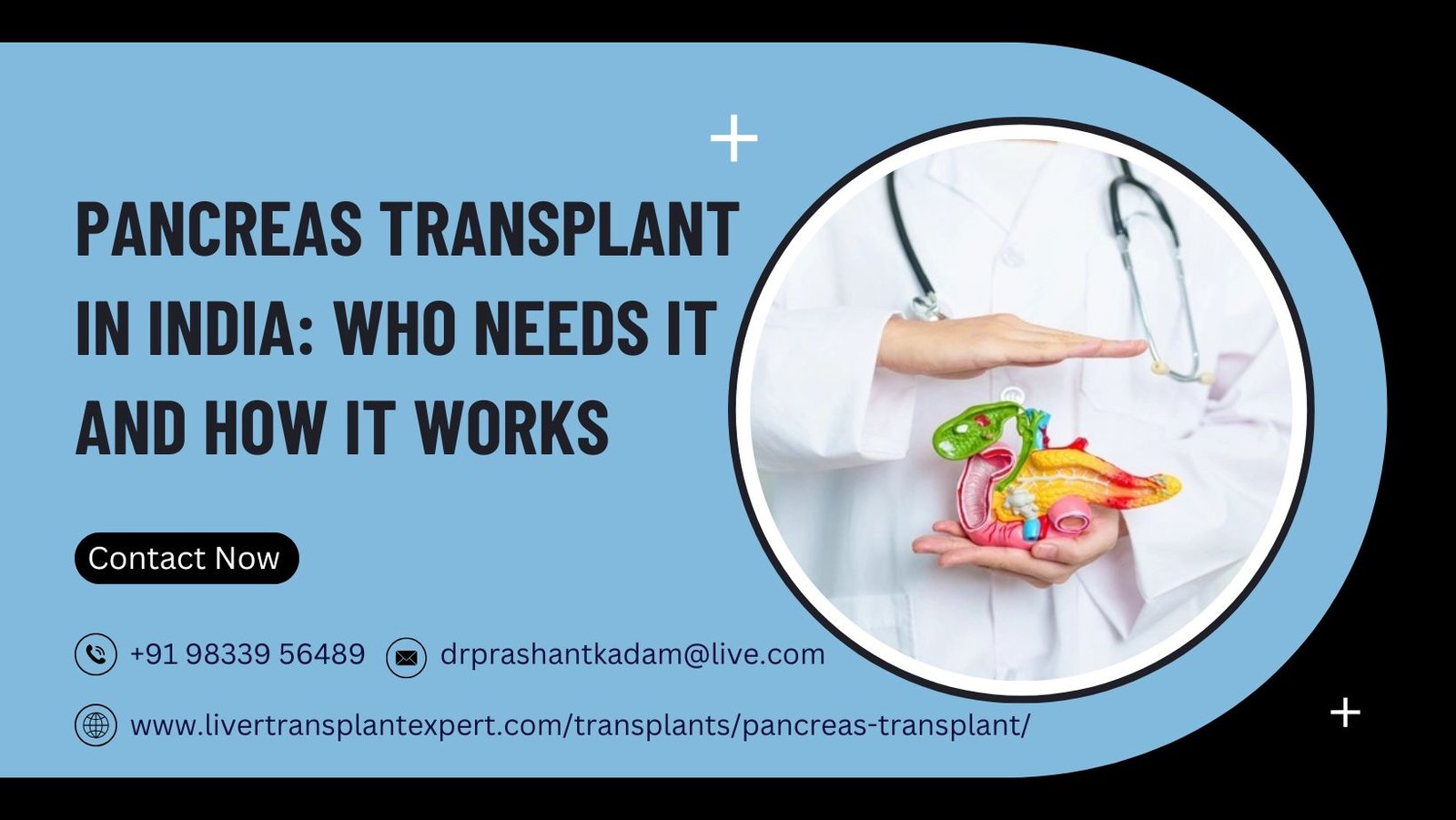
For most people, the pancreas is an organ they rarely think about until something goes wrong. This small but powerful gland sits quietly behind the stomach, producing insulin and digestive enzymes that the body cannot live without. When the pancreas stops working properly, the consequences are serious, life-altering, and sometimes life-threatening.
Table Of Content
The good news is that pancreas transplant in India has become a genuine, accessible option for patients who need it with outcomes improving every year thanks to advances in surgical technique, immunosuppression, and post-operative care.
Who Actually Needs a Pancreas Transplant?
Not every patient with pancreatic disease needs a transplant. But for certain groups of patients, it can be the most effective sometimes the only long-term solution.
Type 1 Diabetes Patients
The most common reason for a pancreas transplant is Type 1 diabetes a condition where the body’s immune system destroys the insulin-producing cells in the pancreas. These patients depend on daily insulin injections for survival. A successful transplant can eliminate that dependency entirely, giving patients a life free from insulin therapy, blood sugar monitoring, and the constant fear of hypoglycaemic episodes.
Patients With Severe Chronic Pancreatitis
Chronic pancreatitis is a condition where the pancreas becomes permanently inflamed, causing debilitating pain, poor digestion, and eventually organ failure. When all other treatments have failed and the quality of life has become unbearable, pancreas transplant surgery offers a real path forward.
Combined Kidney and Pancreas Failure
Many Type 1 diabetic patients develop kidney damage over time. In these cases, a simultaneous pancreas and kidney transplant known as SPK transplant is often recommended. This combined procedure treats both organs at once and delivers significantly better outcomes than treating them separately.
How Does Pancreas Transplant Surgery Work?
The idea of transplanting a pancreas can sound daunting, but understanding the process helps reduce fear and builds confidence in the treatment.
During pancreas transplant surgery, a healthy donor pancreas usually from a deceased donor is placed in the lower abdomen of the recipient. The original pancreas is typically left in place, as it still produces some digestive enzymes even if it no longer makes insulin. The donor organ is connected to the blood vessels and the small intestine, allowing it to begin producing insulin almost immediately after surgery.
The procedure usually takes between three to six hours and is performed under general anaesthesia. Most patients spend one to two weeks in the hospital, followed by several weeks of close monitoring as the body adjusts to the new organ.
One of the most critical aspects of post-operative care is immunosuppression medications that prevent the body from rejecting the new pancreas. Patients take these medications lifelong, and managing them well is key to long-term success.
Why India Is Becoming a Leading Destination
Pancreas transplant in India is no longer limited to a handful of elite centres. Several hospitals across Mumbai, Delhi, Chennai, and Hyderabad now offer this procedure with internationally comparable success rates. The cost of pancreas transplantation in India is also significantly lower than in Western countries without any compromise on the quality of surgical care or post-operative support.
A skilled HPB surgeon and transplant specialist working together is essential for complex cases, particularly when liver or bile duct conditions exist alongside pancreatic disease. This multidisciplinary approach is what separates truly excellent transplant centres from average ones.
Specialists like Dr Prashant Kadam, recognised as a trusted liver transplant specialist in India, bring exactly this kind of integrated expertise combining deep surgical knowledge with compassionate, patient-focused care that families genuinely value during one of the most difficult periods of their lives.
Taking the First Step
If you or someone you love has been living with uncontrolled diabetes, chronic pancreatitis, or combined organ failure, pancreas transplant in India may be the answer you have been searching for.
Do not wait for the condition to worsen. Speak to a qualified transplant specialist, ask every question you have, and take the first step towards a healthier, freer life.






No Comment! Be the first one.