



The Sugar-Anxiety Connection: What Parents Need to Know
“The purpose of this article is to explore the connection between sugar consumption and anxiety for children and how high levels of sugar may impact your child’s moods, behaviors, sleep...

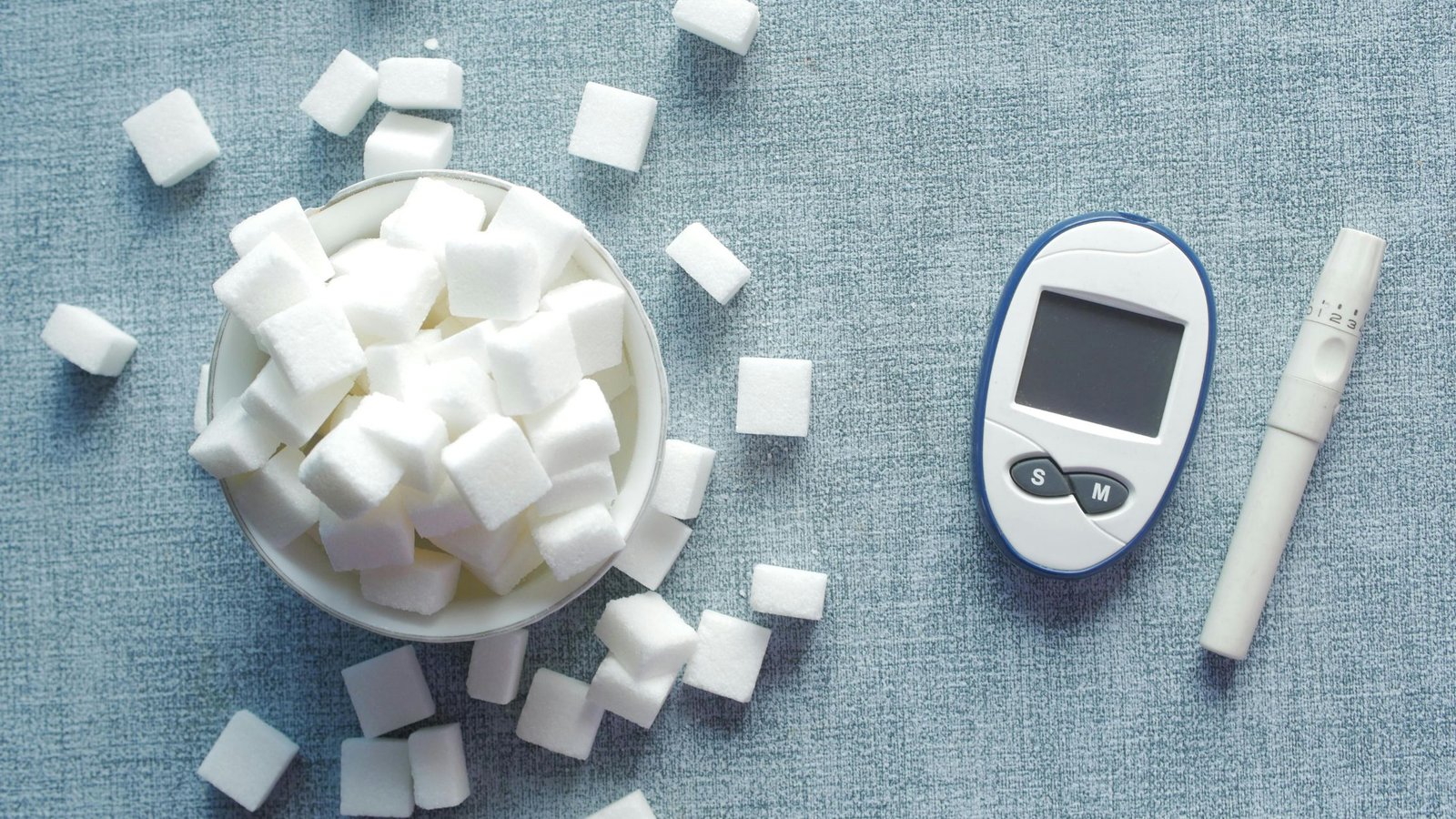
“The purpose of this article is to explore the connection between sugar consumption and anxiety for children and how high levels of sugar may impact your child’s moods, behaviors, sleep patterns and emotional well being. You will learn about healthy parenting practices, what signs of anxiety to look for in children and what you can do to help support children’s emotional health naturally.”
Table Of Content
- Physiological & Psychological Effects of Sugar on Children
- Energy spikes and Messy Crashes
- Persistence of Mid-consumption Crashes
- Reasons for Frustration
- Role of Sugar in Causing Anxiety
- Triggers Sugar Instability
- Less Emotionally Patient Children
- Sugar and Stress Responses
- Poor Sleep Can Increase Anxiety
- Signs Parents Should Pay Attention to
- Symptoms of Sugar Anxiety Attacks May Resemble
- Some foods might cause anxiety
- Soda Pop
- Packaged Snacks and Candy
- Other Hidden Sweets Found in Everyday Items
- Helpful Ways to Parent
- Balance Your Meals
- Make Healthier Snack Selections
- Promote Restful Sleep and Active Lifestyle
- Do not Use Sugar as a Source for Comfort
- When Should Parents Consult an Expert?
- Conclusion
- Disclaimer
Sugar consumption has increased due to the presence of sugar in common foods. Children frequently consume foods without being aware of their sugar content. While many parents have experienced the physical effects of excess sugar; many parents have not experienced its effect on behavior and emotional health.
As a result of their children eating too many sugary foods, many parents have noticed how their child may have sudden mood swings. Some children may exhibit characteristics such as being hyper, nervous, restless or emotionally overstimulated after ingesting excessive amounts of sugar. This has increased discussions in parenting about the possible links between sugar consumption and anxiety symptoms in children.
Although all their behaviors are different, parents will make thoughtful changes and educate themselves on the different effects sugar has on the body. They will plan better and eat better so they can be more healthy.
Physiological & Psychological Effects of Sugar on Children
Sugar has a different effect on children compared to adults because normally, children have still-developing nervous systems. Because of this fact, children exhibit more sensitivity to the neurochemical spikes caused by sugar ingestion as a result of their sugar consumption.
Energy spikes and Messy Crashes
A common effect sugar has is the immediate post-consumption energy spike. Children readily exhibit hyperactive behavior after eating sugary foods.
Most parents also notice sugar consumption followed by a messy post-sugar crash period characterized by increased irritability and emotional outbursts.
Persistence of Mid-consumption Crashes
Developing emotional regulation and lacking skills to cope with post-consumption frustration, children exhibit messy behavioral changes and emotional irritability.
Some parents notice their children have more of a nervous outburst of excitement, while many have more of difficult post-consumption irritability.
Reasons for Frustration
Influencing children to more hyperactive and emotional behavior is not a singular reason, but rather the result of their lack of healthy coping skills and sleepy behavior caused by sugar-restricted consumption and frustration from post-consumption irritability.
A child’s emotional sensitivity is normally dependent on their general health and injury.
Role of Sugar in Causing Anxiety
Many parents and researchers are trying to better understand the sugar and anxiety connection and the role sugar may play in mental health. While sugar does not directly cause anxiety disorders, it may worsen anxiety-like symptoms, mood swings, irritability, or restlessness in some children.
Triggers Sugar Instability
Having an ability to bring sugar can cause a child to be excited and happy, then sudden changes can occur and cause a child to be agitated, moody and nervous with a low tolerance becoming contagious of sugar.
Less Emotionally Patient Children
Most sugar can transformation may affect children with high levels of stress or low tolerance for anger and those with sugar can be contagious as nervous and moody themselves.
Sugar and Stress Responses
Sugar and stress are personally the cause of childhood anxiety, with large and sugar potentially altering the body’s levels due to.
Some children from this can experience a sugar system and mood and can be contagious as nervous and moody themselves.
These signals suggest a child is emotional with constant thoughts or restlessness in remaining rational and lack of ability and loss.
Poor Sleep Can Increase Anxiety
In addition to processed foods, sugar may disrupt normal sleep. After consuming sugar, some children fall into the habit of arguing or resisting sleep.
Insufficient sleep often affects children’s mood and ability to concentrate. Little sleep may make children anxious and overly sensitive the following day. Insufficient sleep may lead children to be emotionally reactive and disruptive.
For these reasons, sugar and anxiety associations in children may be extensive.
Signs Parents Should Pay Attention to
Behavior changes are often first noticed by parents or guardians. Observing how children respond after consuming sugary foods may help families better understand the effects of sugar on children’s behavior and emotional wellbeing.
Common signs include:
- Hyperactivity, pauses in activity or lack of focus
- Swinging, lability or lack of emotional control
- Difficulty or an inability, to rest or return to passive states
- Difficulty calming down
- Sleep Problems
While not all of these behaviors may be sugar induced, statistically, sugar and inadequate emotional coping mechanisms are associated.
Symptoms of Sugar Anxiety Attacks May Resemble
There are instances when children react strongly to large amounts of sugar and exhibit some mild symptoms that resemble those displayed during a sugar anxiety attack.
Symptoms of a possible sugar anxiety attack may include:
- Rapid heart rate
- Sweating
- Evidence of panic
- Shaking
- Restlessness
Experiencing these symptoms can be extremely stressful for both children and parents.
Parents who understand what might happen to their child’s behavior with sugar present can better handle situations with a calming effect and identify patterns more easily.
Some foods might cause anxiety
Many parents focus on candies and cake when they think about sweets, however hidden sweeteners are often found in everyday items.
Soda Pop
All soft drinks, juice drinks, energy drinks and sweetened milk have high sugar content. Sugary drinks will affect your mood and energy almost immediately.
Packaged Snacks and Candy
Packaged cookies/snacks, pastries and candy are often made with sugar as well as preservatives and other additives, which may over stimulate some children.
Other Hidden Sweets Found in Everyday Items
Many foods that are marketed to kids have more added sugars than we realise, such as:
- Breakfast Cereals
- Fruit Flavored Yogurts
- Granola Bars
- Instant Oatmeal
- Jarred Sauces
By reading the ingredient label closely you can find products that may serve as sugar anxiety triggers for your children.
Helpful Ways to Parent
You do not have to remove all sweet foods. Our aim is not strict elimination but instead, an appropriate balance.
Balance Your Meals
When you include protein, healthy fats, fruits and vegetables with fiber you will maintain steadier levels of energy throughout the day.
Good nutrition can help regulate emotions and reduce the incidence of sugar dip or crash.
Make Healthier Snack Selections
Choices for more nutritious snacks include fresh produce, homemade snacks, yogurt, smoothies and nuts rather than processed sweetened products.
Making gradual changes to their eating habits will be easier for children than making sudden restrictions.
Promote Restful Sleep and Active Lifestyle
Playing outside, engaging in physical activity and having a healthy sleep schedule will provide children with the opportunity to effectively manage their emotions.
Reducing sugar consumption as an evening “comfort” food will help children sleep better as well.
Do not Use Sugar as a Source for Comfort
Many parents use sweets as rewards for good behaviour and comfort for stressful situations. While treats once in a while are acceptable, using sugar as a source to satisfy your child’s need for comfort creates unhealthy habits.
A thoughtful approach by parents will help them learn how to manage their emotions in healthy ways.
When Should Parents Consult an Expert?
Sugar spikes can degrade emotional control in children. This may be of concern if anger or tears are often expressed in combination with a sugar event.
Parents may want to see a clinician if they note a child with sugar consumption exhibiting:
- Ongoing nervousness
- Severe mood swings
- Persistent sleep problems
- Panic like reactions
- Trouble functioning at school or home
You may want to consider a clinician if sugar seems to be a self-imposed barrier to anxiety. Creative and actual underlying emotional and health issues may be illuminated after and are more likely to be addressed.
Conclusion
In modern family life, emotional and food well-being is of paramount concern. Not all child behavior has the same correlation with the sugar impairment and anxiety relationship, however the greater exposure and understanding advocates parents to note emotional behavior and patterns.
Over the long term, emotional well being and health can be significantly enhanced through simple daily habit modifications and designs. Small adjustments can improve both physical health and emotional well being.
Disclaimer
This blog is for information purposes only. It is not for (and should not be seen as) medical advice. The response to dietary alterations is specific to each child. Before making a major decision with respect to a child’s dietary or mental health concerns, parents are advised to speak to a qualified doctor or pediatrician.





No Comment! Be the first one.