



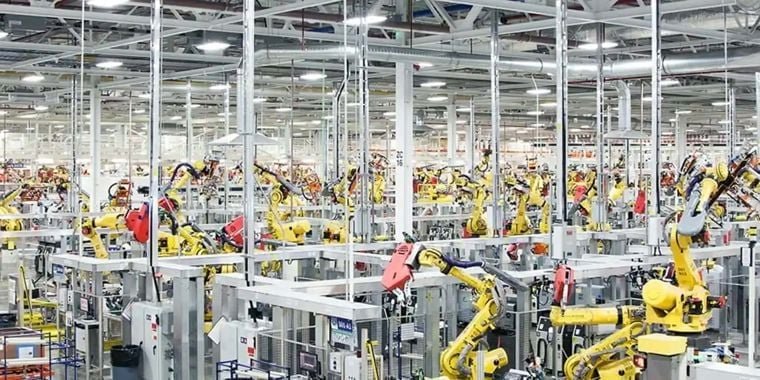
The Factories Act, 1948 is one of the most important labour laws in India. It was introduced to protect factory workers and improve working conditions in industrial workplaces.
Table Of Content
- The Act applies when
- 1. Ensure Worker Safety
- 2. Improve Employee Health
- 3. Regulate Working Hours
- 4. Provide Welfare Facilities
- 5. Protect Women and Young Workers
- Health Provisions
- Employers are required to provide
- Factories must ensure
- Factories may need to provide
- Important overtime rules
- Leave eligibility
- Leave calculation
- Key provisions include
- Important rules
- They must
- HR responsibilities include
Factories involve machinery, heavy equipment, chemicals, and long working hours. Without proper rules, workers may face unsafe environments, health risks, and exploitation. To solve these issues, the Government of India enacted the Factories Act, 1948.
This law ensures that factories maintain proper safety standards, employee welfare facilities, fair working hours, and healthy working conditions.
In this article, we will understand the meaning, objectives, applicability, important provisions, and compliance requirements of the Factories Act, 1948 in simple language.
What is the Factories Act, 1948?
The Factories Act, 1948 is a labour law that regulates the working conditions of employees working in factories across India.
The Act mainly focuses on:
- Employee health and safety
- Welfare facilities
- Working hours and overtime
- Leave policies
- Protection of women and young workers
- Factory inspections and compliance
The main goal of the Act is to create a safe, secure, and healthy workplace for factory workers.
Why Was the Factories Act, 1948 Introduced?
Before this law was introduced, factory workers often worked in poor conditions with long working hours, low safety measures, and unhealthy environments.
The Factories Act was introduced to:
- Prevent workplace accidents
- Protect workers from exploitation
- Improve factory safety standards
- Regulate employee working hours
- Ensure employee welfare
Today, it remains one of the most important laws for factories and manufacturing businesses in India.
Applicability of the Factories Act, 1948
The Factories Act applies to factories involved in manufacturing activities.
The Act applies when:
| Factory Type | Minimum Number of Workers |
|---|---|
| Factory using power/electricity | 10 or more workers |
| Factory without power | 20 or more workers |
The Act covers industries such as:
- Textile factories
- Food manufacturing units
- Chemical industries
- Engineering companies
- Pharmaceutical factories
- Automobile manufacturing plants
Main Objectives of the Factories Act, 1948
1. Ensure Worker Safety
The Act makes it compulsory for employers to maintain safety measures inside factories.
This helps reduce:
- Workplace accidents
- Injuries
- Fire hazards
- Machine-related risks
2. Improve Employee Health
Factories must maintain proper cleanliness, ventilation, lighting, and sanitation facilities.
This helps employees work in a healthier environment.
3. Regulate Working Hours
The law sets limits on employee working hours to prevent overwork and physical stress.
It also includes rules related to:
- Overtime
- Weekly holidays
- Rest breaks
4. Provide Welfare Facilities
The Act requires factories to provide basic welfare amenities for workers.
These facilities improve employee comfort and productivity.
5. Protect Women and Young Workers
Special provisions are included for women employees and adolescent workers to ensure their safety and well-being.
Important Provisions of the Factories Act, 1948
Health Provisions
Factories must maintain proper hygiene and healthy working conditions.
Employers are required to provide:
- Clean working areas
- Safe drinking water
- Proper ventilation
- Adequate lighting
- Clean washrooms
- Waste disposal systems
These measures help prevent diseases and health problems.
Safety Provisions Under the Factories Act
Worker safety is one of the most important parts of the Act.
Factories must ensure:
- Safe machinery operation
- Fire safety equipment
- Emergency exits
- Protective safety gear
- Proper machine maintenance
- Safety training for workers
Factories dealing with hazardous chemicals or dangerous processes must follow stricter safety rules.
Welfare Provisions for Employees
The Factories Act also focuses on employee welfare.
Factories may need to provide:
- Restrooms
- Sitting facilities
- Washing facilities
- First-aid boxes
- Canteens
- Creche facilities for children
These facilities help improve employee well-being and workplace satisfaction.
Working Hours Under the Factories Act, 1948
The Act clearly defines maximum working hours for employees.
| Provision | Allowed Limit |
|---|---|
| Maximum weekly working hours | 48 hours |
| Maximum daily working hours | 9 hours |
| Rest break | After 5 hours |
| Weekly holiday | 1 compulsory day |
These rules protect workers from excessive working hours and fatigue.
Overtime Rules Under the Factories Act
If employees work beyond the prescribed working hours, employers must pay overtime wages.
Important overtime rules:
- Overtime wages are paid at double the normal salary rate
- Employers must maintain overtime records
- Attendance tracking must be properly managed
Proper overtime management is important for labour law compliance.
Annual Leave with Wages
The Factories Act also provides paid leave benefits to employees.
Leave eligibility:
Employees who work for at least 240 days in a year become eligible for annual leave.
Leave calculation:
- 1 day of leave for every 20 days worked
This helps employees maintain work-life balance and reduce workplace stress.
Employment of Women Under the Factories Act
The Act includes special provisions for women employees.
Key provisions include:
- Safe working conditions
- Welfare facilities
- Protection from hazardous work
- Regulated working hours
Many states now permit women to work night shifts with proper safety arrangements.
Employment of Young Workers
The Factories Act protects children and adolescents from unsafe labour practices.
Important rules:
- Children below 14 years cannot work in factories
- Adolescents need fitness certificates
- Working hours for young workers are restricted
These rules help prevent child labour and protect young employees.
Responsibilities of Factory Owners
Factory owners and managers have several legal responsibilities under the Factories Act.
They must:
- Register the factory
- Obtain required licenses
- Follow safety standards
- Maintain employee records
- Track attendance and overtime
- Report workplace accidents
- Ensure labour law compliance
Failure to follow these rules can result in penalties.
Penalties Under the Factories Act, 1948
If factories fail to comply with the Act, they may face:
- Monetary fines
- Legal action
- Imprisonment
- Factory closure in serious cases
Non-compliance can also damage the company’s reputation and employee trust.
Importance of the Factories Act for HR Professionals
HR departments play a major role in ensuring compliance with the Factories Act.
HR responsibilities include:
- Managing attendance
- Monitoring working hours
- Handling overtime calculations
- Managing employee leave
- Maintaining statutory records
- Conducting safety awareness programs
Proper HR management helps companies avoid legal issues and improve workforce efficiency.
How HRMS Software Helps with Factories Act Compliance
Managing compliance manually can be difficult, especially for large factories.
Modern HRMS software helps automate:
- Attendance management
- Shift scheduling
- Overtime calculations
- Payroll processing
- Leave management
- Compliance reporting
Automation reduces errors and helps organizations stay compliant with labour laws.
Conclusion
The Factories Act, 1948 is an important labour law that protects factory workers and ensures safe and healthy working conditions in India.
The Act covers employee safety, welfare, working hours, overtime, leave policies, and factory compliance requirements.
For employers and HR professionals, following the Factories Act is not only a legal requirement but also an important step toward building a safe, productive, and employee-friendly workplace.
Using modern HRMS software can make compliance management easier, improve operational efficiency, and help organizations maintain proper labour law compliance.







No Comment! Be the first one.