


Can a Weld Saver Improve Welding Efficiency and Safety?
In modern manufacturing and industrial production, welding plays a major role in creating strong and reliable products. From automotive factories to heavy machinery plants, welding systems are used...

In modern manufacturing and industrial production, welding plays a major role in creating strong and reliable products. From automotive factories to heavy machinery plants, welding systems are used every day to keep production moving smoothly. However, welding equipment can face many problems such as coolant leaks, overheating, and equipment failure. These issues can lead to downtime, expensive repairs, and even safety risks for workers.
Table Of Content
This is where a weld saver becomes extremely important. A weld saver is designed to monitor cooling systems and protect welding equipment from damage. It helps improve efficiency, reduce maintenance costs, and create a safer working environment.
But can a weld saver really improve welding efficiency and safety? The answer is yes. In this blog, we’ll explain how weld savers work, their benefits, and why they are becoming essential in industrial welding operations.
What Is a Weld Saver?
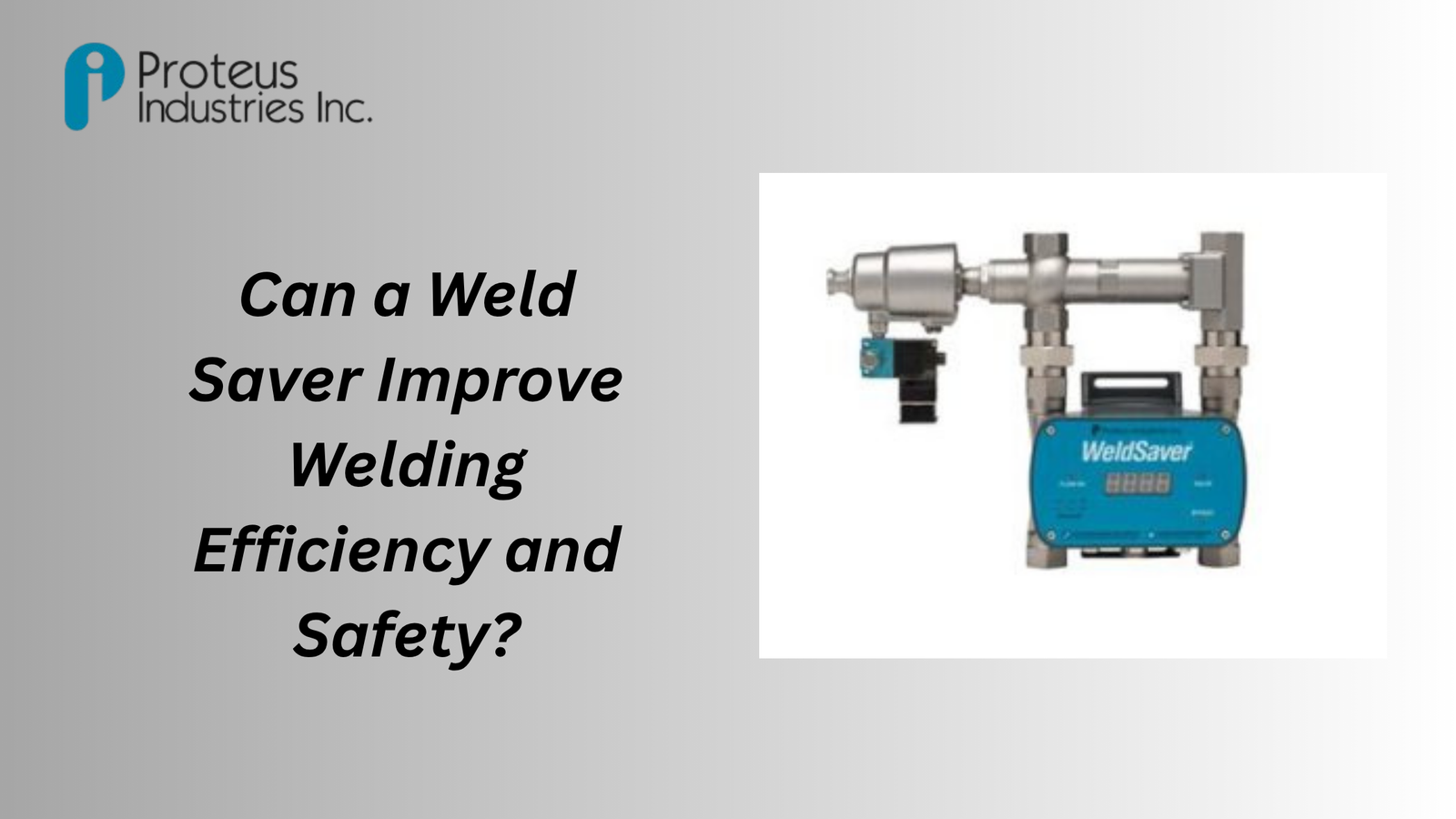
A weld saver is a monitoring and protection device used in welding systems. It is commonly installed in robotic welding and industrial cooling systems to detect coolant flow problems and prevent equipment damage.
Welding machines generate a large amount of heat during operation. Cooling systems are necessary to keep the equipment working properly. If coolant flow stops or becomes too low, the welding gun or machine can overheat quickly.
A weld saver helps prevent this by monitoring:
- Coolant flow
- Temperature changes
- Pressure levels
- Leak detection
When a problem is detected, the system can immediately stop the welding process or send alerts to operators.
Why Is Welding Equipment Protection Important?
Industrial welding equipment is expensive and often operates continuously for long hours. Even a small issue can lead to:
- Production delays
- Damaged welding guns
- Poor weld quality
- Increased repair costs
- Safety hazards for workers
Without proper monitoring, overheating or coolant failures may go unnoticed until serious damage occurs. This can reduce productivity and increase operational costs.
A weld saver acts like a safety system that helps protect both the equipment and the workers.
How Does a Weld Saver Improve Welding Efficiency?
Efficiency is one of the biggest concerns in manufacturing. Any interruption in welding operations can affect production schedules and business profits.
A weld saver helps improve efficiency in several ways.
1. Reduces Equipment Downtime
Unexpected equipment failure can stop production completely. A weld saver monitors the cooling system in real time and detects issues before they become serious.
By preventing overheating and equipment damage, businesses can reduce downtime and keep production running smoothly.
Benefits:
- Fewer production interruptions
- Faster workflow
- Better operational performance
- Improved manufacturing output
Continuous production is extremely important in industries where time and productivity matter.
2. Prevents Overheating Problems
Welding systems produce high temperatures during operation. If the cooling system fails, the equipment can overheat within minutes.
A weld saver continuously checks coolant flow and temperature levels. If something goes wrong, it immediately responds to prevent overheating.
This helps:
- Protect welding guns
- Extend machine lifespan
- Maintain stable performance
- Prevent sudden breakdowns
Overheating protection is one of the main reasons many manufacturers use weld savers today.
3. Improves Weld Quality
Consistent cooling is important for maintaining high-quality welds. Temperature fluctuations can affect welding accuracy and performance.
When equipment overheats, weld quality may decrease, leading to weak or inconsistent welds. A weld saver helps maintain stable operating conditions for better results.
Improved weld quality can lead to:
- Stronger welds
- Fewer defects
- Better product reliability
- Reduced material waste
High-quality welds are essential in industries like automotive, aerospace, and construction.
How Does a Weld Saver Improve Safety?
Safety is a top priority in any industrial workplace. Welding operations involve heat, electricity, and heavy equipment, which can create dangerous conditions if systems fail.
A weld saver helps reduce safety risks in several ways.
1. Detects Coolant Leaks Quickly
Coolant leaks can damage equipment and create slippery or hazardous work areas. If leaks are not detected early, they may lead to accidents or system failure.
A weld saver can quickly identify leaks and alert operators before the issue becomes dangerous.
This helps:
- Protect workers
- Prevent equipment damage
- Reduce workplace hazards
- Improve overall safety standards
Early leak detection can prevent costly accidents and repairs.
2. Protects Workers from Equipment Failur
Overheated or damaged welding systems can become dangerous for operators. Sparks, electrical issues, or sudden failures may increase injury risks.
By monitoring system performance continuously, weld savers help create a safer working environment.
Workers can feel more confident knowing the system is designed to detect problems before they become serious.
3. Supports Safer Automation Systems
Many industries now use robotic welding systems for faster production. Automated systems still require reliable cooling and monitoring to operate safely.
A weld saver supports robotic welding by ensuring the cooling system functions properly at all times.
This is especially important in:
- Automotive manufacturing
- Heavy machinery production
- Industrial automation facilities
Reliable monitoring improves both productivity and workplace safety.
Industries That Use Weld Savers
Weld savers are widely used across many industries where welding systems operate continuously.
Common industries include:
- Automotive manufacturing
- Aerospace industry
- Metal fabrication
- Heavy equipment production
- Robotics and automation
- Construction manufacturing
Any industry that relies on industrial welding can benefit from improved equipment protection and efficiency.
What Features Should You Look for in a Weld Saver?
Choosing the right weld saver is important for achieving the best results.
Important features include:
- Real-time monitoring
- Leak detection
- Temperature monitoring
- Flow control sensors
- Automatic shutdown systems
- Easy installation and maintenance
Advanced weld savers may also include digital displays and smart monitoring technology for better system control.
Can a Weld Saver Save Money?
Yes, investing in a weld saver can help businesses reduce long-term costs. Although there is an initial investment, the savings from preventing equipment damage and downtime can be significant.
Cost-saving benefits include:
- Fewer repairs
- Reduced downtime
- Longer equipment lifespan
- Lower maintenance costs
- Improved production efficiency
For many manufacturers, weld savers become a valuable long-term investment.
Why Are Weld Savers Becoming More Popular?
As industries move toward automation and high-speed manufacturing, equipment protection becomes even more important. Companies want systems that improve productivity while reducing operational risks.
Weld savers provide:
- Better system reliability
- Improved safety
- Higher efficiency
- Reduced equipment failure
- Consistent production performance
Because of these advantages, more businesses are adding weld savers to their industrial welding systems.
Final Thoughts
A weld saver is much more than just a monitoring device. It plays a critical role in improving welding efficiency, protecting expensive equipment, and creating a safer work environment. By detecting coolant flow issues, preventing overheating, and reducing downtime, weld savers help industrial operations run more smoothly and reliably.
In today’s fast-moving manufacturing industry, efficiency and safety are essential for success. Even small equipment failures can lead to major production delays and costly repairs. A weld saver helps businesses avoid these problems while improving overall system performance.
Whether used in robotic welding systems, automotive production, or industrial manufacturing, weld savers provide long-term value through better protection, improved weld quality, and safer operations. As technology continues to advance, weld savers are becoming an essential part of modern welding systems for companies that want reliable performance, higher productivity, and stronger workplace safety standards.




No Comment! Be the first one.