


Relevance of Spiritual Gurus in the Lives of Today’s Youth
Young people today are under pressure almost all the time. There is pressure to study well, build a successful career quickly, stay socially active, maintain relationships and still appear happy and...

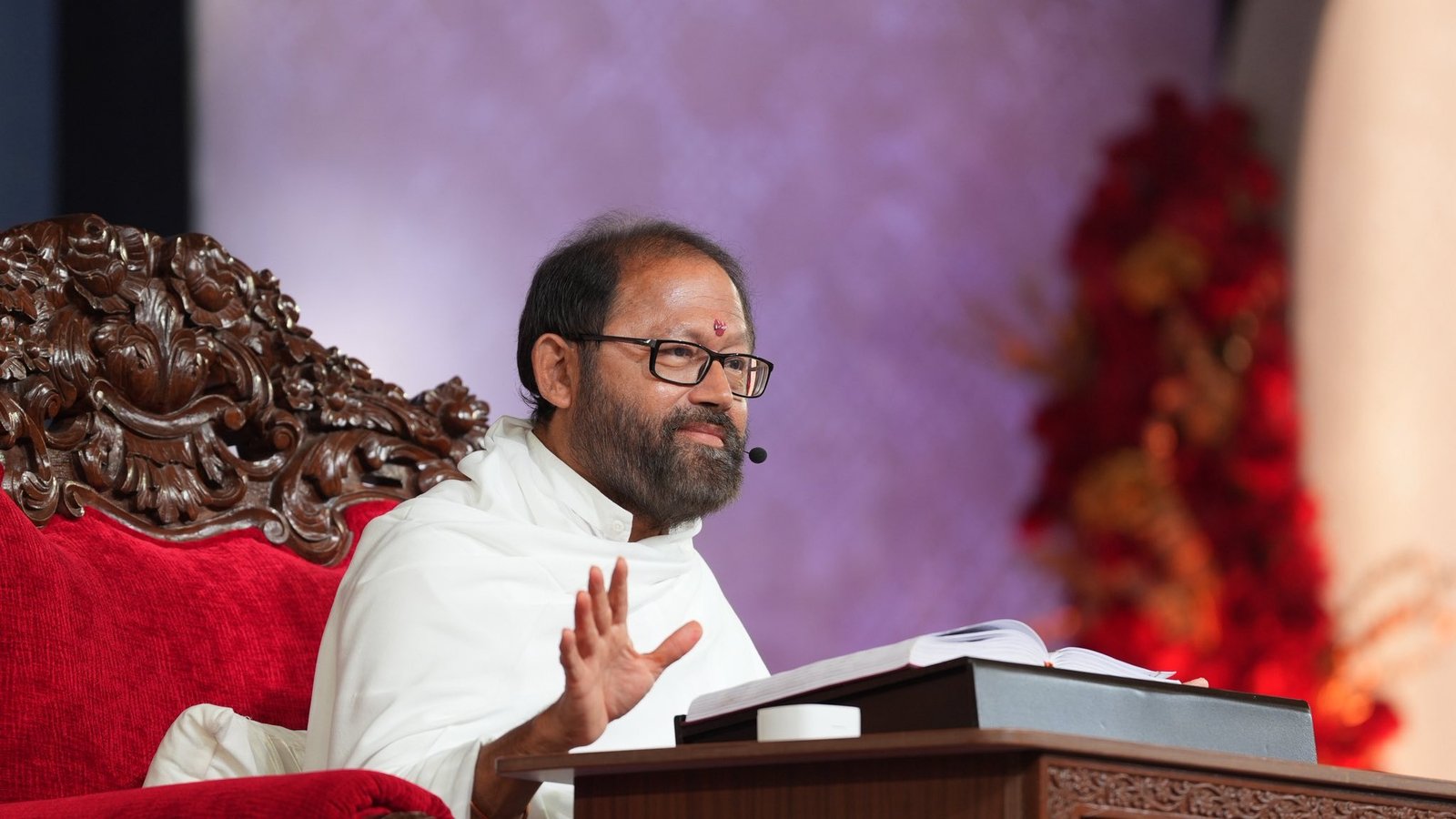
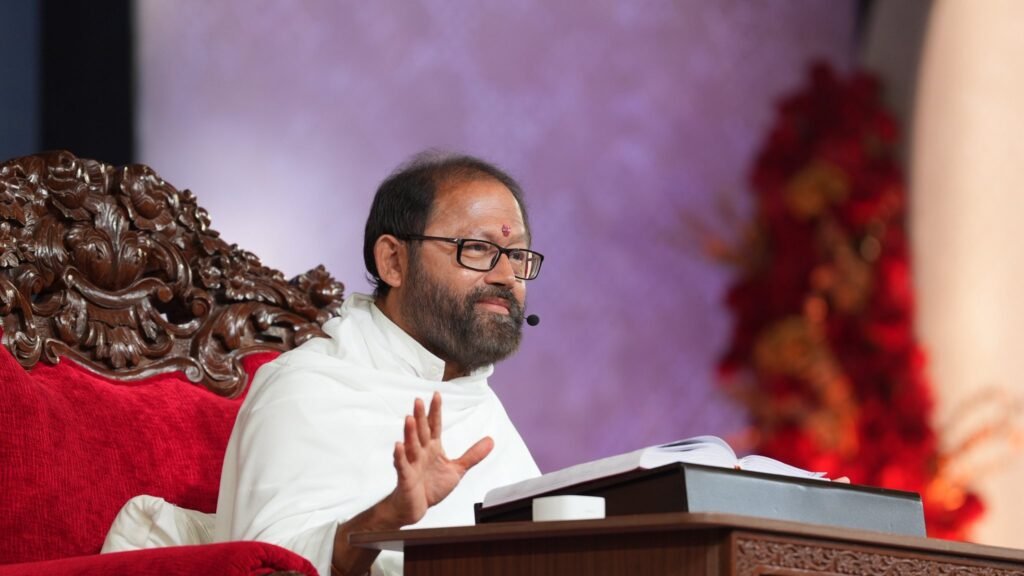
Young people today are under pressure almost all the time. There is pressure to study well, build a successful career quickly, stay socially active, maintain relationships and still appear happy and productive constantly. A lot of people are mentally exhausted even before they fully enter adult life.
One major reason behind this is that the mind rarely gets proper rest anymore. Most people wake up checking notifications and end the day scrolling through screens. Social media comparison, online validation, fear of missing out and constant exposure to information slowly affect emotional balance without people always noticing it immediately.
At the same time, many young people also struggle silently with:
- Anxiety about the future
- Academic and work pressure
- Emotional burnout
- Loneliness despite being socially connected
- Lack of concentration
- Sleep issues and overthinking
This is one reason conversations around spirituality for the youth have become more relevant now. Many people are not necessarily searching for rigid religious practices. They are simply looking for mental peace, emotional stability and ways to feel calmer internally.
Why Spiritual Guidance Still Matters?
The role of a spiritual guru in India has traditionally been connected with helping people understand the mind better. Spiritual teachers often guide people through emotional struggles, inner confusion and stressful phases of life with greater awareness and patience.
India has a long spiritual tradition shaped by famous Indian gurus and spiritual teachers whose teachings focused on self-discipline, compassion, balance and self-awareness. Even though lifestyles have changed over time, these ideas still connect naturally with modern emotional struggles.
A lot of younger audiences today are not looking for perfection or extreme discipline. Most are simply trying to manage stress better and feel more emotionally stable. This is where meditation, spiritual reflection and satsangs often become helpful.
Many people feel that spiritual practices help them:
- Slow down mentally
- React more calmly to situations
- Reduce overthinking
- Improve focus and emotional balance
- Spend time away from constant distractions
Why Younger Audiences Are Exploring Spiritual Spaces?
One thing many people struggle with today is that there is almost no mental silence left in daily life. Even while resting, the mind often remains occupied with work pressure, online content or personal stress.
Because of this, more people have started exploring meditation retreats, spiritual talks and satsangs as a way to disconnect from routine pressure for some time. Spending time in quieter environments often helps people think more clearly and feel mentally lighter.
This growing interest has also increased attention towards different spiritual organisations in India that focus on meditation, reflection and emotional wellbeing in a simple and accessible way.
Many younger audiences today also prefer spiritual guidance that feels practical and easy to understand, instead of something very formal or difficult to relate to. This is one reason online spiritual discourses and guided talks have become increasingly popular among students and working professionals.
How Contemporary Spiritual Discourses Reach Young People?
A large part of modern spiritual exposure now happens through online platforms, where people first come across teachings in short clips, talks or recordings during periods of stress or reflection.
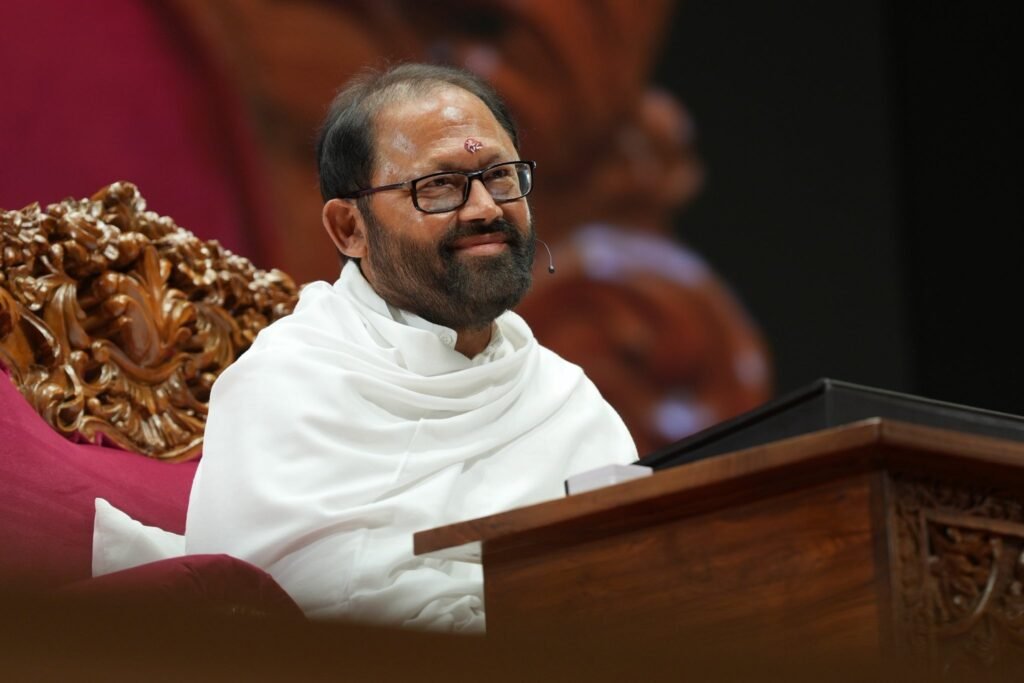
In this context, the discourses of Pujya Gurudevshri Rakeshji have become part of what many people encounter. The emphasis in these talks is often on observing thoughts, understanding emotional reactions and developing awareness in daily situations. The simplicity of expression is one reason younger audiences tend to stay connected with them.
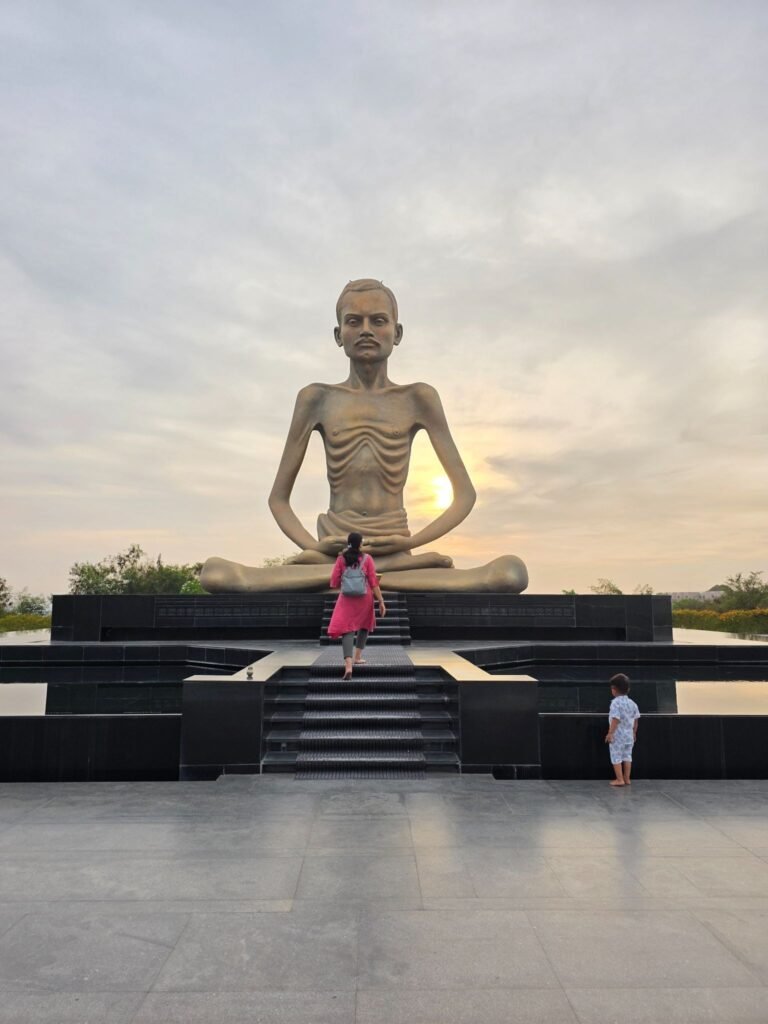
These teachings are rooted in the philosophy of Shrimad Rajchandraji, a 19th-century spiritual thinker whose writings on truth, self-awareness and inner purity continue to influence modern seekers. His ideas remain relevant for those trying to understand mental restlessness in today’s fast-paced lifestyle.
Over time, some people move from listening to these teachings casually to engaging more regularly through reflection and practice. In this wider landscape, Shrimad Rajchandra Mission Dharampur appears as one of the spiritual organisations inspired by these teachings and guided by Pujya Gurudevshri Rakeshji.
Through this, activities like satsangs, meditation sessions and structured retreats are offered. The SRMD retreats, often designed around silence, guided meditation and reflection, give individuals a break from constant routine pressure. For many, it is less about change and more about creating a small pause where the mind can settle and become more aware of itself.
Alongside this, many people also continue to engage with the discourses of Pujya Gurudevshri Rakeshji online, especially during phases of emotional fatigue or mental overload, where simple reflection feels more accessible than structured practice.
Spirituality Beyond Rituals
For many young people today, spirituality is becoming less about rituals alone and more about understanding emotions and learning how to manage the mind better.
Meditation, silence and self-reflection are slowly becoming part of wellness routines for people trying to improve emotional wellbeing naturally. Even spending a few minutes listening to spiritual talks or practising mindfulness regularly can sometimes help reduce mental clutter.
The continued relevance of Indian spiritual leaders shows that many people are still searching for guidance that helps them feel calmer and more balanced internally.
The Growing Need for Inner Balance
At a time when mental pressure has quietly become part of everyday life, many young people are looking for ways to slow down internally rather than constantly push through stress. The need is less about escaping life and more about learning how to carry it with a steadier mind.
Spiritual guidance, in different forms, often becomes part of that process. It begins with exposure to teachings, moves into reflection, and for some extends into meditation practices or short retreats that offer space away from constant noise and distraction.
The continued relevance of spiritual gurus in India, including famous Indian gurus, reflects this ongoing search for inner balance in a fast-moving environment. Spirituality today is less about changing life externally and more about learning how to stay more aware, steady and present within it.




No Comment! Be the first one.