


The Smartest Ways to Control Light, Privacy, and Style at Once
Walk into any well-designed home, and you’ll notice something almost immediately: the light feels right. Not too harsh, not too dim. The rooms feel private without feeling closed off. And...

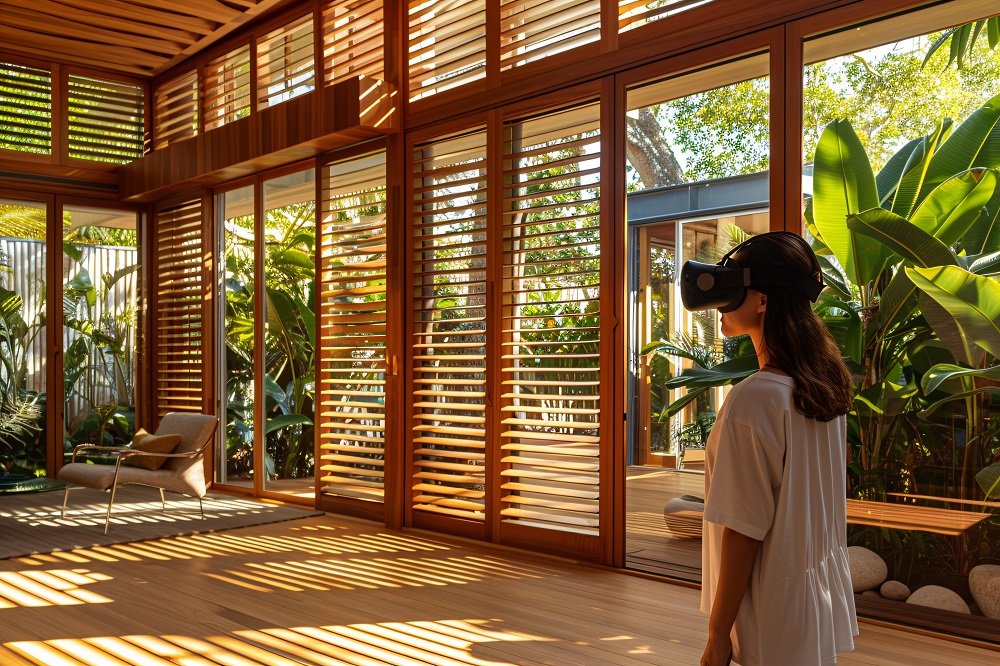
Walk into any well-designed home, and you’ll notice something almost immediately: the light feels right. Not too harsh, not too dim. The rooms feel private without feeling closed off. And everything looks pulled together without trying too hard. Most of the time, that balance isn’t accidental. It comes down to one thing most people overlook until they’re redecorating: window treatments.
Table Of Content
Choosing the right window treatment is one of the most impactful decisions you can make for a room. Done well, it shapes the entire mood of a space. Done poorly, it throws off everything else, no matter how nice the furniture or how fresh the paint. So if you’re thinking about upgrading your windows, here’s a breakdown of the smartest ways to get light control, privacy, and style working together instead of against each other.
Start With the Function, Then Build Toward Style
The biggest mistake homeowners make is choosing a window treatment based purely on looks. They pick something beautiful, hang it up, and then realize it lets in too much afternoon glare, or doesn’t offer enough privacy from the street. This is when regret sets in fast.
A smarter approach is to start with the function. Ask yourself three questions before anything else:
How much light do I want in this room? A bedroom calls for near-blackout control. A kitchen or living room usually benefits from filtered, diffused light rather than complete darkness. A bathroom needs privacy above all else.
Who can see in, and when? Street-facing windows, ground-floor rooms, and spaces close to neighbouring homes all require more consideration for privacy than, say, a second-floor bedroom with no nearby sightlines.
What does this room need to feel like? Try to figure out the vibe you want to create. Cozy and enclosed? Open and airy? Or maybe a mix of both based on your preferences.
Once you have answers to your questions, it becomes easier to choose the right style. It is because you have now filtered your options by what actually works, not just what looks good in a showroom.
The Types Worth Knowing
Not all window treatments are built the same. Here’s a quick breakdown of the main categories and what each does best.
Roller Blinds are one of the most versatile and underrated options available. They come in blackout, light-filtering, and sheer variants; they’re easy to clean, and they work in nearly every room. Their minimal profile makes them ideal for modern interiors where you want the window itself to be the focal point.
Roman Shades bring softness and a tailored look that roller blinds can’t quite match. When raised, they stack into neat horizontal folds. When lowered, they create a clean, flat panel of fabric. They work beautifully in living rooms and dining spaces where a little warmth and texture are welcome.
Cellular (Honeycomb) Shades are the go-to choice for energy efficiency. Their layered cell structure traps air and acts as insulation, making them popular in climates with extreme heat or cold. They also offer excellent light filtering and a clean, contemporary look.
Plantation Shutters sit in their own category entirely. Unlike fabric-based treatments, they’re rigid panels mounted directly to the window frame. They offer precise light control through adjustable louvres, strong privacy, and a timeless aesthetic that adds genuine architectural value to a home. Among the options in this category, Cabana Shutters stand out for their durability and coastal-inspired design. They’re built to withstand humidity and direct sunlight without warping or fading, making them a smart long-term investment.
Curtains and Drapes remain the classic choice for good reason. Floor-to-ceiling drapes can make a room feel dramatically taller. Sheer curtains let in diffused light while softening the edges of a window. Layering sheers under heavier drapes gives you flexibility throughout the day and across seasons.
Layering: The Technique Most People Skip
Here’s something professional interior designers rarely skip but most homeowners never try: layering.
Layering means combining two treatments on the same window, typically a sheer or light-filtering blind underneath with a heavier drape or shutter panel over it. The result is a window setup that can do everything. During the day, you roll up the drape and let the sheer filter natural light softly into the room. In the evening, you close everything for full privacy and a warmer, more intimate atmosphere.
This is especially effective in living rooms and master bedrooms. It also gives you design flexibility; you can change the look of a room simply by switching out the top layer without replacing the entire window treatment.
For outdoor spaces and patios, layering works similarly. Cabana Shutters, paired with outdoor curtains, for example, provide wind and sun protection while maintaining a relaxed, resort-like aesthetic. The combination is both practical and visually intentional, which is exactly what good design should be.
Don’t Ignore the Hardware
It’s easy to focus entirely on the treatment itself and forget that the hardware holding it up is equally visible. Curtain rods, brackets, finials, and track systems all contribute to the finished look of a window, and mismatched or cheap hardware can cheapen even the most beautiful fabric.
A few principles worth following:
- Match your hardware finish to other metals in the room, drawer pulls, light fixtures, and faucets
- Go slightly wider than your window frame when mounting a rod. Extending 4 to 6 inches on each side makes the window appear larger and lets more light in when the curtains are open
- Mount it higher than you think you need to, ideally just below the crown moulding or ceiling line, to maximize the perception of ceiling height
Where Custom Makes a Difference
Off-the-shelf treatments work fine in standard spaces. But in rooms with unusual window dimensions, awkward angles, or high-end finishes, custom is almost always worth the premium. Custom treatments are sized precisely to your window, finished to your specifications, and built to last longer than most pre-made alternatives.
This is particularly true for shutters. Cabana shutters, when custom-fitted, close flush against the frame with no gaps, which means:
- Better light blocking
- Better insulation
- A cleaner look overall
It’s one of those details that you don’t notice when it’s right, but you immediately notice when it’s wrong.
The Bottom Line
Controlling light, privacy, and style at once isn’t about picking the most expensive option or following whatever trend is dominating design feeds this season. It’s about understanding what your specific space needs, choosing a treatment that delivers on function first, and then letting style follow naturally from that foundation.
Get those fundamentals right, and the rest of the room tends to fall into place.







No Comment! Be the first one.