




Industrial Centrifugal Blowers Maintenance Guide
Industrial Centrifugal Blowers form the backbone of many manufacturing operations. These machines move air and gases efficiently. They support dust collection, material handling, and combustion...

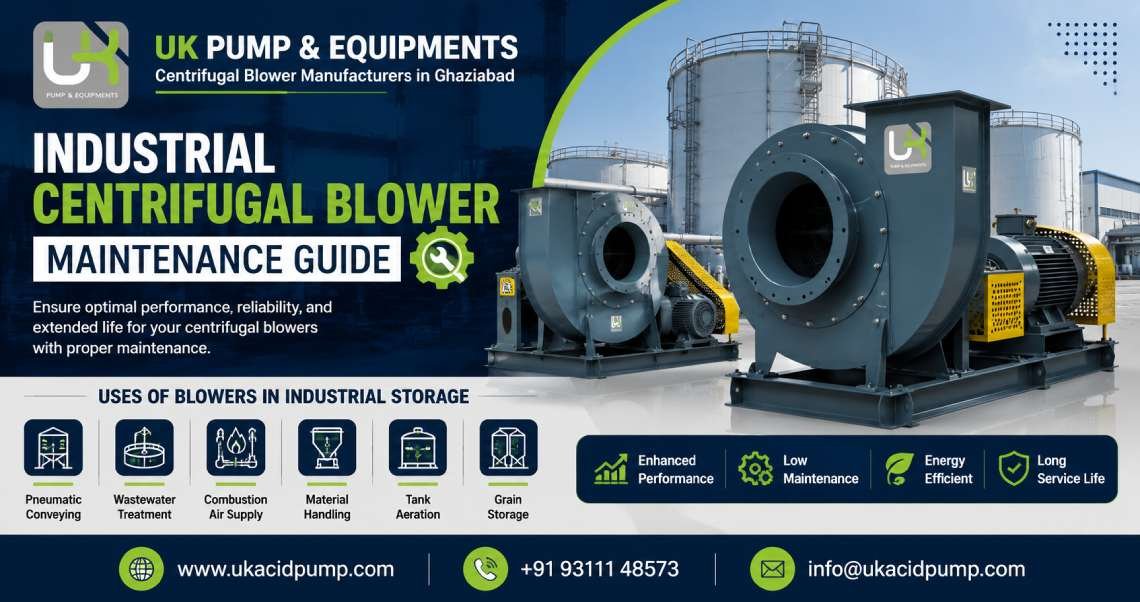
Industrial Centrifugal Blowers form the backbone of many manufacturing operations. These machines move air and gases efficiently. They support dust collection, material handling, and combustion processes. Proper maintenance extends their service life significantly. Neglect leads to costly breakdowns and production halts. This guide offers practical steps for keeping your equipment in top shape.
Top Content
- Why Maintenance Matters for Industrial Centrifugal Blowers
- The Cost of Neglect
- Daily Operational Checks
- Listen for Unusual Noises
- Monitor Vibration Levels
- Check Temperature Gauges
- Lubrication Best Practices
- Choosing the Right Lubricant
- Grease Application Intervals
- Oil Level Inspection
- Bearing Maintenance
- Identifying Bearing Wear
- Replacement Procedure
- Impeller Inspection
- Cleaning the Impeller
- Checking for Cracks
- Vibration Analysis
- Acceptable Vibration Limits
- Common Vibration Causes
- Temperature Monitoring
- Key Measurement Locations
- Acceptable Temperature Ranges
- Air Filtration System Care
- Filter Inspection Schedule
- Filter Types and Selection
- Pressure Drop Monitoring
- Belt and Coupling Alignment
- Checking Belt Tension
- Belt Wear Indicators
- Coupling Alignment Procedure
- High Pressure Centrifugal Blowers Specific Care
- Reinforced Casing Checks
- Seal Integrity Testing
- Cooling System Maintenance
- Seasonal Overhaul Procedures
- Pre-Overhaul Preparation
- Step-by-Step Teardown
- Inspection During Reassembly
- Post-Overhaul Testing
- Choosing Reliable Centrifugal Blower Manufacturers
- What to Look For
- UK PUMP & EQUIPMENTS Advantage
- Asking the Right Questions
- Record Keeping and Documentation
- Essential Data to Record
- Using Digital Tools
- Safety Protocols During Maintenance
- Lockout/Tagout Procedures
- Personal Protective Equipment
- Working Around Rotating Parts
- Emergency Response Planning
- Common Failure Scenarios
- Spare Parts Inventory
- When to Call Professionals
- Training Your Maintenance Team
- Basic Skill Requirements
- Advanced Certification Courses
- Conclusion
Why Maintenance Matters for Industrial Centrifugal Blowers
Regular upkeep reduces unexpected failures. It lowers energy consumption too. A well-maintained blower runs smoothly for years. You save money on repairs and replacements. Moreover, safety improves with consistent checks. Workers face fewer hazards from malfunctioning parts. Therefore, schedule maintenance as a priority task.
The Cost of Neglect
Ignoring small issues creates big problems. A loose bolt damages the impeller. Dirty filters overheat the motor. Unbalanced rotors shake the entire unit. Every hour of downtime costs thousands. Consequently, proactive care benefits your bottom line.
Daily Operational Checks
Perform these inspections every shift. They take only ten minutes. Yet they prevent major failures.
Listen for Unusual Noises
Turn on the blower. Stand close to the casing. Hear any rattling or grinding sounds? Stop the machine immediately. Investigate the source. Loose bearings often create rhythmic thumps. Foreign objects produce sharp clicks. Never ignore these audible warnings.
Monitor Vibration Levels
Place your hand on the housing. Feel for excessive shaking. Use a vibration pen for accuracy. Normal readings stay below 0.2 inches per second. Higher values indicate imbalance. Call a technician right away. Early detection saves the rotor.
Check Temperature Gauges
Look at the bearing temperature readouts. They should not exceed 180°F. The motor casing must feel warm but not hot. Overheating suggests lubrication failure. Alternatively, blocked air passages cause heat buildup. Record temperatures in a daily log.
Lubrication Best Practices
Proper lubrication reduces friction dramatically. It also removes heat from moving parts. Follow manufacturer guidelines for oil types. Never mix different greases.
Choosing the Right Lubricant
Standard industrial blowers use lithium-based grease. High-speed models need synthetic oil. Check your manual for specifications. High Pressure Centrifugal Blowers require heavier viscosity oils. These endure extreme loads without breaking down. Consult Centrifugal Blower Manufacturers for exact recommendations.
Grease Application Intervals
Apply fresh grease every 2,000 operating hours. Use only the recommended amount. Over-greasing damages seals. Under-greasing burns bearings. A grease gun with a metering device helps greatly. Wipe the fitting clean before each application.
Oil Level Inspection
For oil-lubricated bearings, check sight glasses daily. Oil should reach the halfway mark. Top up if needed. Change the oil every 6 months. Dispose of used oil properly. Contaminated oil looks dark or milky.
Bearing Maintenance
Bearings support the rotating shaft. They face constant stress. Thus, they need special attention.
Identifying Bearing Wear
Listen for metallic screeching sounds. Feel the housing for heat spikes. A faulty bearing raises temperature by 20 degrees. Infrared thermometers spot these changes easily. Replace bearings showing any roughness during rotation.
Replacement Procedure
Shut down and lock out power. Remove the bearing cover carefully. Use a puller to extract the old bearing. Clean the housing cavity thoroughly. Press the new bearing without damaging races. Apply fresh grease before sealing. Run the blower at low speed for testing.
Impeller Inspection
The impeller moves air inside the casing. Any damage affects performance significantly. Inspect it every three months.
Cleaning the Impeller
Dust and debris stick to blades. This buildup unbalances the rotor. Remove all dirt with a soft brush. Avoid metal scrapers that scratch surfaces. Compressed air works for light deposits. Wear safety goggles during cleaning.
Checking for Cracks
Look closely at blade roots. Small cracks appear as dark lines. Use a dye penetrant kit for hidden flaws. Cracked impellers must be replaced immediately. A broken blade destroys the entire blower. Therefore, never weld or patch damaged impellers.
Vibration Analysis
Vibration tells you exactly what goes wrong. Learn to interpret the signals.
Acceptable Vibration Limits
For most Industrial Centrifugal Blowers, 0.15 inches per second is excellent. Readings up to 0.25 are acceptable. Above 0.4 requires action. Above 0.6 means immediate shutdown. These limits apply at full operating speed.
Common Vibration Causes
Unbalance creates single-frequency vibration. Misalignment produces double peaks. Loose foundations cause random spikes. Bearing defects generate high-frequency noise. Keep a vibration log for trend analysis. Sharp increases demand investigation.
Temperature Monitoring
Heat destroys components silently. Monitor temperatures at multiple points.
Key Measurement Locations
Measure bearing housings first. Check the motor frame next. Inspect the inlet and outlet air. Finally, measure the casing itself. Create a baseline chart after a fresh overhaul. Compare new readings against this baseline.
Acceptable Temperature Ranges
Ball bearings handle up to 200°F. Sleeve bearings tolerate 180°F maximum. Motor windings fail above 250°F. Casing temperatures below 150°F are safe. Install thermocouples for continuous monitoring. Set alarms at 90% of maximum limits.
Air Filtration System Care
Clean air extends blower life tremendously. Dirty air erodes impellers and casings.
Filter Inspection Schedule
Check inlet filters weekly. Replace them monthly in dusty environments. For clean rooms, change every three months. Never run the blower without filters. Debris enters directly into the impeller. This causes severe damage quickly.
Filter Types and Selection
Panel filters work for general dust. Bag filters handle fine particles. HEPA filters suit sterile applications. Consult Industrial Blowers Manufacturers for sizing help. A clogged filter increases energy use by 30%. Clean filters pay for themselves quickly.
Pressure Drop Monitoring
Install a manometer across the filter. Clean filters show 0.5 inches water gauge. A reading of 1.5 indicates replacement time. At 2.0 inches, the blower strains heavily. Change filters before reaching this point.
Belt and Coupling Alignment
Power transmission components wear over time. Misalignment wastes energy and destroys parts.
Checking Belt Tension
Press the belt midway between pulleys. Deflection should be 1/64 inch per inch of span. Too loose belts slip and overheat. Too tight belts damage bearings. Use a tension gauge for accuracy.
Belt Wear Indicators
Cracks on the belt back mean replacement soon. Frayed edges show misalignment. Glazed surfaces indicate slipping. Replace all belts as a set. Mixing old and new belts causes uneven loading.
Coupling Alignment Procedure
Use a dial indicator for precision. Offset should not exceed 0.005 inches. Angular misalignment must stay under 0.001 inches per inch. Laser alignment tools simplify this task. Retighten all mounting bolts after alignment.
High Pressure Centrifugal Blowers Specific Care
These units operate under extreme conditions. They need enhanced maintenance protocols.
Reinforced Casing Checks
High Pressure Centrifugal Blowers have thicker walls. Inspect weld seams every 500 hours. Look for stress cracks near flanges. Use dye penetrant on suspect areas. A leaking casing reduces pressure dramatically. Welded repairs must follow original specifications.
Seal Integrity Testing
Mechanical seals prevent gas leaks. Test them weekly with soap solution. Bubbles indicate seal failure. Replace seals immediately. Escaping gas creates safety hazards. Order genuine parts from trusted suppliers.
Cooling System Maintenance
High pressure models generate extra heat. Check cooling fans and water jackets. Clean cooling fins with compressed air. Verify coolant flow rates monthly. Overheating reduces seal life by 50%.
Seasonal Overhaul Procedures
Schedule a complete teardown twice annually. This prevents surprise breakdowns.
Pre-Overhaul Preparation
Gather all tools and replacement parts. Order gaskets, seals, and bearings. Review the maintenance manual. Notify operators about downtime. Lock out the electrical supply completely.
Step-by-Step Teardown
Remove the inlet duct first. Unbolt the casing halves carefully. Lift the rotor assembly using a crane. Support the shaft at both ends. Remove bearings with proper pullers. Clean every part with solvent.
Inspection During Reassembly
Measure shaft runout with a dial gauge. It must stay under 0.002 inches. Check housing bore roundness. Replace worn fasteners with new ones. Apply anti-seize on all bolts. Torque each fastener to specification.
Post-Overhaul Testing
Run the blower without load for 30 minutes. Check vibration and temperature. Introduce load gradually over 2 hours. Measure flow rate and pressure. Document all readings for future reference. A successful test means ready for production.
Choosing Reliable Centrifugal Blower Manufacturers
Your maintenance success starts with quality equipment. Poorly built blowers fail constantly. Therefore, source from established Centrifugal Blower Manufacturers.
What to Look For
Check for ISO certifications first. Ask about material certifications too. Reputable Centrifugal Blower Manufacturers provide detailed manuals. They offer spare parts support for years. Moreover, they share maintenance training resources.
UK PUMP & EQUIPMENTS Advantage
We supply Industrial Centrifugal Blowers across India. Our units feature robust cast housings. Precision-machined impellers ensure balance. We include maintenance kits with every sale. Additionally, we provide on-site training for your team. Pan-India service support reaches you quickly.
Asking the Right Questions
Before buying, ask about bearing types. Inquire about grease compatibility. Request vibration test reports. Confirm seal replacement procedures. Good Centrifugal Blower Manufacturers answer clearly. They do not hide maintenance difficulties.
Record Keeping and Documentation
Write down every maintenance action. This creates a valuable history.
Essential Data to Record
Date and time of each inspection. Temperature and vibration readings. Lubrication amounts and types. Parts replaced with serial numbers. Operator names who performed checks. Any unusual observations or noises.
Using Digital Tools
Maintenance software tracks schedules automatically. It sends reminders for upcoming tasks. Photos of worn parts help training. Digital logs enable trend analysis. Cloud storage prevents data loss. Invest in a simple system for best results.
Safety Protocols During Maintenance
Protect your team from harm. Follow these rules strictly.
Lockout/Tagout Procedures
Turn off the main disconnect switch. Attach a personal lock to it. Place a danger tag on the lock. Verify zero energy state before touching. Keep the key with you only. Never remove another person’s lock.
Personal Protective Equipment
Wear safety glasses during all tasks. Use gloves when handling lubricants. Steel-toed boots prevent foot injuries. Hearing protection near running blowers. Hard hats in overhead areas. Respirators when cleaning dust accumulations.
Working Around Rotating Parts
Wait for complete stop before reaching inside. Spindown takes up to five minutes. Use barrier guards for test runs. Never wear loose clothing near shafts. Tie back long hair securely. Remove jewelry before starting work.
Emergency Response Planning
Despite best care, failures still occur. Be ready to act fast.
Common Failure Scenarios
Sudden vibration spike needs immediate stop. Smoke from bearings requires fire extinguishers. Unusual smells indicate electrical issues. Loss of pressure suggests blockage or break. Train operators on each emergency response.
Spare Parts Inventory
Keep critical spares on your shelf. Stock bearings, belts, and filters. Store one complete shaft assembly. Include gaskets and seals for all sizes. Rotate stock to prevent aging. Review inventory quarterly with suppliers.
When to Call Professionals
Some repairs exceed in-house skills. Dynamic balancing needs specialized rigs. Weld repairs require certified welders. Motor rewinding demands electrical experts. Know your limits clearly. Call UK PUMP & EQUIPMENTS for emergency support.
Training Your Maintenance Team
Skilled workers prevent most failures. Invest in regular training sessions.
Basic Skill Requirements
Every technician must read manuals. They should use vibration meters correctly. Lubrication techniques need hands-on practice. Alignment skills develop over time. Test knowledge annually with practical exams.
Advanced Certification Courses
Manufacturers offer certified training programs. These cover impeller balancing. Seal installation techniques come next. Troubleshooting complex faults follows. Online courses supplement onsite learning. Encourage team members to earn credentials.
Conclusion
Maintaining Industrial Centrifugal Blowers does not require magic. It needs consistent attention to details. Daily checks catch small problems early. Proper lubrication keeps parts moving smoothly. Vibration and temperature monitoring predict failures. Clean air filtration protects internal components. Seasonal overhauls restore original performance.
Partner with reputable Centrifugal Blower Manufacturers like UK PUMP & EQUIPMENTS. We supply high-quality equipment backed by pan-India support. Our maintenance guides help you maximize uptime. Follow this plan diligently. Your blowers will reward you with decades of reliable service. Start your maintenance log today. Every hour invested in care saves ten hours of repair later.