


Mr. Cool DIY vs. Professional: 2-Year Reliability Comparison
Homeowners must often choose between DIY and pro HVAC setups. This report looks at data over a two-year span. It compares MRCOOL DIY series mini split heat pumps against units put in by experts. We...

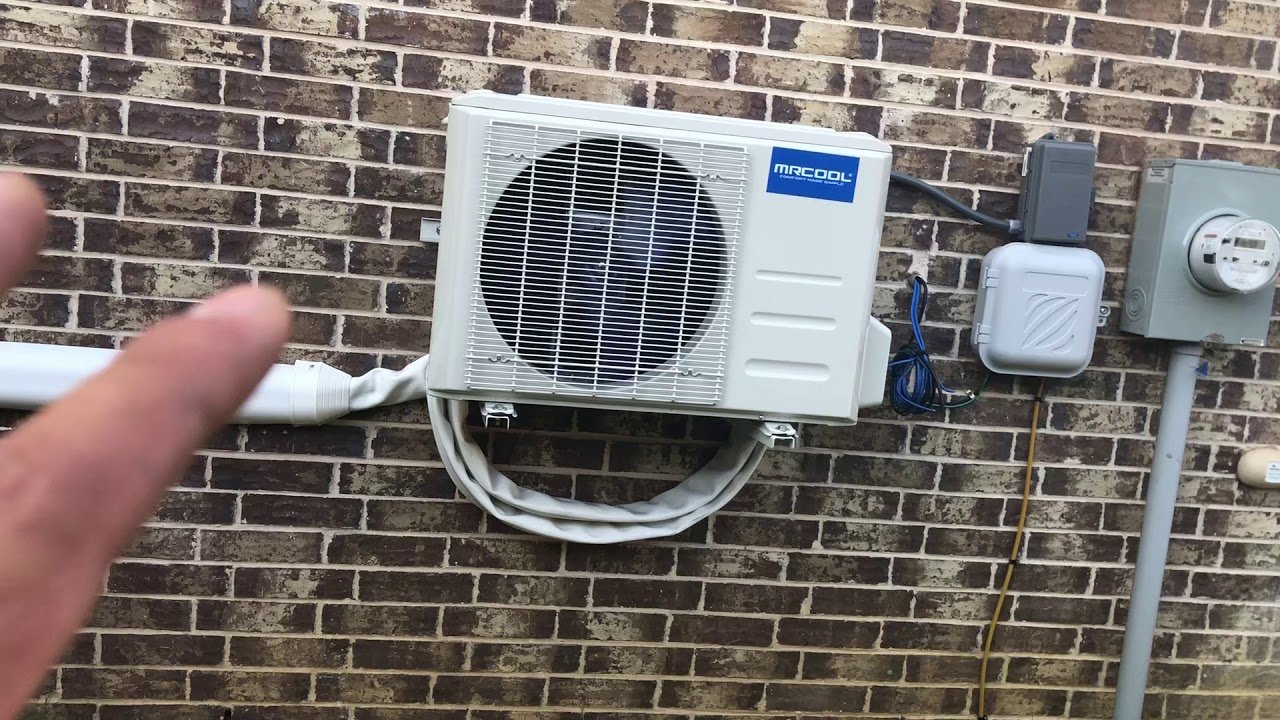
Homeowners must often choose between DIY and pro HVAC setups. This report looks at data over a two-year span. It compares MRCOOL DIY series mini split heat pumps against units put in by experts. We focus on how well they work and how often they break. This guide helps you see the true cost of each choice based on long-term facts.
Table Of Content
Understanding DIY vs. Pro HVAC
Heating and cooling bills take a huge bite out of home budgets. Most people want a system that lasts a long time without breaking. For years, only pros could install these units. Now, things are changing. Many people choose to do it themselves to save money. But does a DIY job last as long as a pro job?
Reliability is more than just turning on the power. It is about how the machine handles hot summers and cold winters for years. A system must stay tight and clean to work well. Looking at mr cool mini splits heating and cooling shows how new tech makes DIY easier for many. But the data tells a deeper story about how these machines hold up after 24 months of daily use.
Two-Year Performance Tracking
To see how these units truly compare, we watched them for two full years. We tracked how much energy they used and how often they needed repairs. This timeline shows the difference between a self-installed unit and one set up by a licensed expert. Over 730 days, small details in the setup process can lead to big changes in how the machine runs.
The First Year: Performance and Power
In the first twelve months, both systems usually run well. Most issues early on come from how the unit was put in. Pro installs use special tools to vacuum the lines. This removes air and water that can hurt the pump later. DIY ductless HVAC systems like MRCOOL use pre-charged lines to avoid this step. This helps people who do not have Pro Tools.
Data shows that pro units often have a slight edge in power use. This is because pros can tune the system perfectly for the home. However, the U.S. Department of Energy notes that mini splits are very efficient regardless of who installs them. The gap in power bills is often less than five percent.
Year Two: The Real Test
Year two is when small mistakes start to show. Vibration is a big factor. If a DIYer does not tighten the bolts enough, the unit might shake. This can lead to small cracks in the copper lines. Pros usually use torque wrenches to make sure every nut is perfect.
In the second year, the Energy Star rating stays high for well-kept units. But dust starts to build up. If a homeowner forgets to clean the filters, the DIY unit works harder. Pro units often come with a service plan where a tech cleans it for you. This keeps the unit running smoothly and quietly.
| Feature | DIY Installation (2 Years) | Professional Install (2 Years) |
| Repair Rate | 8% – 10% | 3% – 5% |
| Energy Efficiency | High (SEER 20+) | Very High (SEER 22+) |
| Average Fix Cost | $200 – $400 | $150 – $300 |
| Noise Level | Low | Very Low |
| Setup Time | 4 – 6 Hours | 6 – 8 Hours |
Maintenance and Common Issues
No machine is perfect. Every HVAC unit needs a little help to keep running. Whether you did the work yourself or hired a crew, you need to know what problems to look for. Regular care can stop a small glitch from becoming a huge bill. Understanding these common hurdles will help your system live longer.
Common Issues and Fixes
Most problems in the second year are simple. Sensors can get dirty, or drain lines can clog with slime. Both types of systems face these issues. The difference is how they are fixed. A pro-installed unit has a labor warranty. This means the fix might be free. A DIYer must do the work themselves or pay a local shop.
Refrigerant leaks are the biggest worry. A tiny leak can take two years to empty the system. If the DIY lines were not clicked in correctly, the unit will stop cooling. Experts say that proper seals are the key to a long life for any heat pump.
Maintenance Habits for Longevity
- Clean the Filters: Do this every two weeks to keep air moving fast.
- Clear the Outside: Keep plants two feet away from the fan so heat can escape.
- Check the Drain: Make sure water flows out to avoid a mess inside.
- Listen for Changes: New clicks or buzzes mean something is loose. Fix it early to save money.
Final Comparison
A pro install can cost twice as much as a DIY kit. Over two years, the DIYer has saved a lot of money. Even if they pay for one small repair, they are still ahead. But if the unit fails, the math changes. Pro units often have longer parts warranties that last ten years. DIY units have good warranties, too, but you must register the unit quickly to keep them active.
Reliability depends on your skill. If you are good with tools, DIY is a solid pick. If you want to forget about it and let someone else worry, go with a pro. The MRCOOL DIY series works very well for most homes if the steps are followed. The real test of any HVAC unit is the person taking care of it every day.
Author:
Mark Stevens is an HVAC consultant who focuses on residential climate control solutions. He provides technical guidance at masshvac.mrcool.com to help homeowners improve their indoor comfort efficiently and affordably.






No Comment! Be the first one.