



What Are Engineering Controls and How Do They Reduce Workplace Exposure Risks
Workplace safety is not just about wearing protective gear or following instructions; it is about designing systems that prevent hazards from reaching workers in the first place. In many industries...

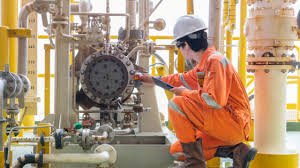
Workplace safety is not just about wearing protective gear or following instructions; it is about designing systems that prevent hazards from reaching workers in the first place. In many industries such as manufacturing, construction, laboratories, and oil and gas, exposure to dust, chemicals, noise, and machinery hazards is a daily concern. Without proper control measures, these risks can lead to long-term health issues or serious accidents.
Table Of Content
- What are Engineering Controls in Workplace Safety?
- Why Engineering Controls Matter for Risk Reduction?
- Types of Engineering Controls Used in Workplaces
- 1. Elimination and Substitution at the Design Stage
- 2. Isolation of Hazards
- 3. Ventilation Systems
- 4. Mechanical Guards and Safety Devices
- 5. Noise Control Measures
- How Engineering Controls Reduce Workplace Exposure Risks?
- Reducing Hazard at the Source
- Blocking the Transmission Path
- Reducing Duration and Intensity of Exposure
- Implementing Engineering Controls in the Workplace
- Step 1: Hazard Identification
- Step 2: Risk Assessment
- Step 3: Selection of Control Measures
- Step 4: Installation and Testing
- Step 5: Monitoring and Maintenance
- Step 6: Worker Training
- Mistakes When Applying Engineering Controls
- The Role of Safety Training and Career Development in Engineering Controls
- FAQs
- 1. What are engineering controls in simple terms?
- 2. Why are engineering controls important in safety management?
- 3. What is an example of an engineering control?
- 4. How are engineering controls different from PPE?
- 5. Are engineering controls expensive to implement?
- Conclusion
One of the most effective approaches to reducing these dangers is through engineering solutions that physically change how a workplace operates. This is where concepts like engineering controls become essential for safety professionals and learners pursuing a NEBOSH Course in Multan. These controls focus on modifying equipment, processes, or the work environment so that hazards are reduced at the source instead of relying only on worker behavior.
What are Engineering Controls in Workplace Safety?
Engineering controls are physical changes made to the workplace to eliminate or reduce exposure to hazards. Unlike personal protective equipment, which acts as a barrier between the worker and the hazard, engineering controls aim to remove the hazard itself or isolate people from it.
These controls are considered one of the most reliable methods in occupational health and safety because they are built into the system rather than depending on individual compliance.
Common examples include:
- Ventilation systems that remove harmful fumes
- Machine guards that prevent contact with moving parts
- Soundproofing materials to reduce noise exposure
- Enclosed systems for handling hazardous chemicals
The idea is simple but powerful: if the hazard is controlled at its source, the risk to workers significantly decreases.
Why Engineering Controls Matter for Risk Reduction?
Workplace hazards often arise from repeated exposure over time. Even small exposures to dust, chemicals, or loud noise can accumulate and lead to serious health conditions such as respiratory diseases, hearing loss, or skin disorders.
Engineering controls matter because they provide a long-term, sustainable solution to these risks. Instead of asking workers to constantly protect themselves, the system itself becomes safer.
For example, in a paint manufacturing unit, fumes released during mixing processes can be dangerous. Instead of relying only on masks, installing a local exhaust ventilation system removes the fumes directly from the source, reducing exposure for everyone in the area.
This proactive approach is a core principle in modern safety systems and is widely emphasized in professional safety education programs.
Types of Engineering Controls Used in Workplaces
Engineering controls can be applied in different ways depending on the nature of the hazard. Below are the most common categories used in industries.
1. Elimination and Substitution at the Design Stage
Although often considered higher-level controls, design-based engineering changes can eliminate hazards entirely. For example, replacing a toxic chemical with a safer alternative reduces exposure risk significantly.
2. Isolation of Hazards
Isolation involves separating workers from the hazard. This can be done by:
- Using enclosed machinery
- Creating restricted access zones
- Installing barriers or shields around dangerous equipment
This method is widely used in construction and heavy industries where machinery operates continuously.
3. Ventilation Systems
Ventilation is one of the most practical engineering controls in industries dealing with airborne contaminants. There are two main types:
- General ventilation: circulates fresh air across the workplace
- Local exhaust ventilation: captures contaminants at the source
For example, welding operations often use local exhaust systems to remove fumes before they spread.
4. Mechanical Guards and Safety Devices
Machine guards are physical barriers installed on equipment to prevent contact with moving parts. These are commonly seen in:
- Cutting machines
- Conveyor belts
- Press machines
They are simple but highly effective in preventing injuries such as cuts, amputations, and entanglement.
5. Noise Control Measures
Prolonged exposure to high noise levels can cause permanent hearing damage. Engineering solutions include:
- Soundproof enclosures
- Acoustic barriers
- Vibration damping materials
These controls are widely used in manufacturing plants and construction sites.
How Engineering Controls Reduce Workplace Exposure Risks?
The effectiveness of engineering controls lies in their ability to interrupt the pathway between hazard and worker. Instead of controlling human behavior, they control the environment.
Here is how they work in practice:
Reducing Hazard at the Source
By removing or modifying the hazard itself, exposure is minimized. For instance, enclosing a chemical mixing process prevents fumes from escaping into the workplace.
Blocking the Transmission Path
Controls like ventilation and barriers stop hazards from spreading through air or physical contact.
Reducing Duration and Intensity of Exposure
Even when hazards cannot be fully eliminated, engineering controls reduce how long and how intensely workers are exposed.
A practical example can be seen in woodworking workshops where dust extraction systems continuously remove fine particles from the air, preventing respiratory issues among workers.
Implementing Engineering Controls in the Workplace
To effectively apply engineering controls, organizations follow a structured approach. This ensures hazards are addressed systematically rather than randomly.
Step 1: Hazard Identification
Conduct workplace inspections to identify sources of risk such as machinery, chemicals, or environmental factors.
Step 2: Risk Assessment
Evaluate how likely the hazard is to cause harm and how severe the consequences could be.
Step 3: Selection of Control Measures
Choose appropriate engineering solutions based on feasibility, effectiveness, and industry standards.
Step 4: Installation and Testing
Install control systems and test their performance under real working conditions.
Step 5: Monitoring and Maintenance
Regular inspection ensures controls continue to function effectively over time.
Step 6: Worker Training
Employees must understand how engineering controls work and why they are important for safety compliance.
Mistakes When Applying Engineering Controls
Even though engineering controls are highly effective, improper implementation can reduce their effectiveness. Some common mistakes include:
- Relying only on personal protective equipment instead of upgrading systems
- Poor maintenance of ventilation systems
- Installing guards but leaving gaps or improper fittings
- Ignoring regular safety audits
- Not involving workers in safety feedback
Avoiding these mistakes ensures that safety systems remain reliable and effective in the long term.
The Role of Safety Training and Career Development in Engineering Controls
Understanding engineering controls is not only important for workplace safety but also for building a professional career in occupational health and safety. Structured learning helps individuals understand how hazards are controlled at different levels and how safety systems are designed.
Many learners choose professional qualifications to strengthen their understanding of workplace risk management. Programs like the NEBOSH Course in Multan provide a strong foundation in identifying hazards, applying control measures, and understanding international safety standards.
For those aiming to specialize further, the NEBOSH IGC Course in Multan is often considered a key step. It helps learners develop practical knowledge of hazard control strategies, including engineering controls, administrative controls, and personal protective equipment. This combination of theoretical and practical learning prepares individuals for real-world safety responsibilities across various industries.
FAQs
1. What are engineering controls in simple terms?
Engineering controls are physical changes made to a workplace to reduce or remove hazards at the source.
2. Why are engineering controls important in safety management?
They are important because they provide long-term protection by reducing hazards instead of relying only on worker behavior.
3. What is an example of an engineering control?
A ventilation system in a chemical factory that removes harmful fumes is a common example.
4. How are engineering controls different from PPE?
Engineering controls remove or reduce the hazard, while PPE only protects the worker from exposure.
5. Are engineering controls expensive to implement?
Initial setup may require investment, but they are cost-effective in the long run due to reduced accidents and health issues.
Conclusion
Engineering controls play a vital role in creating safer workplaces by addressing hazards at their source. Whether it is controlling dust, reducing noise, or preventing contact with dangerous machinery, these systems form the backbone of modern occupational safety strategies.
By focusing on prevention rather than reaction, organizations can protect workers more effectively and build sustainable safety cultures. Understanding these principles not only improves workplace conditions but also supports career growth for those entering the safety profession.
With proper training, practical knowledge, and awareness of control measures, safety professionals can make a real difference in reducing workplace risks and promoting healthier working environments.



No Comment! Be the first one.