


Why Vitamin C Serums Are Becoming a Key Part of Saudi Arabia’s Skincare Preferences
Skincare routines in Saudi Arabia are evolving as consumers increasingly focus on products that support hydration, skin brightening, and protection against environmental stressors. Among the products...

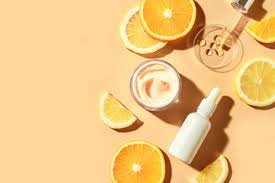
Skincare routines in Saudi Arabia are evolving as consumers increasingly focus on products that support hydration, skin brightening, and protection against environmental stressors. Among the products gaining attention, vitamin C serums have emerged as a preferred option due to their association with antioxidant support and skin tone enhancement. The growing awareness around ingredient-based skincare is influencing purchasing behaviour across both premium and mass-market beauty segments.
Table Of Content
- Growing Interest in Ingredient-Led Beauty Products
- Climate Conditions Supporting Demand for Protective Skincare
- Rise of E-Commerce and Omnichannel Beauty Retail
- Preference for Stabilized and Balanced Formulations
- Competitive Landscape Shaped by Global Beauty Brands
- Changing Beauty Habits Are Influencing Long-Term Skincare Trends
Digital beauty culture, social media influence, and the expansion of online skincare retail platforms are also contributing to stronger visibility for clinically formulated serums. According to a recent Saudi Arabia Vitamin C Serum industry report, the industry is projected to grow from USD 17.8 million in 2026 to nearly USD 28.6 million by 2032, expanding at a CAGR of 8.22% during the forecast period. The report highlights increasing demand for stabilized formulations and concentration ranges suitable for daily skincare use.
Growing Interest in Ingredient-Led Beauty Products
Consumers in Saudi Arabia are showing stronger interest in skincare products with transparent ingredient labeling and scientifically recognized formulations. Vitamin C serums are often positioned as part of preventive skincare routines aimed at addressing dullness, uneven skin texture, and environmental exposure. This shift reflects a broader movement toward dermatology-inspired skincare products rather than purely cosmetic solutions.
The increasing popularity of skincare education through beauty influencers and dermatologists has also improved awareness regarding formulation quality, ingredient stability, and concentration levels. Regulatory attention toward cosmetic product safety and labelling standards further supports consumer confidence in ingredient-led skincare categories.
The U.S. Food and Drug Administration (FDA) notes that cosmetic ingredient transparency and safe product formulation remain important considerations for consumers and manufacturers alike. This has encouraged skincare brands globally to emphasize clinically supported ingredients and product stability.
Climate Conditions Supporting Demand for Protective Skincare
Saudi Arabia’s climate conditions, including high temperatures, dry air, and prolonged sun exposure, are encouraging consumers to adopt skincare routines focused on hydration and antioxidant protection. Vitamin C is commonly associated with skincare formulations intended to help reduce visible effects linked to environmental stress and UV exposure.
As sun exposure awareness grows, consumers are increasingly combining antioxidant serums with sun protection products. This trend aligns with broader skincare practices observed across regions experiencing harsh weather conditions and elevated UV indexes.
Organizations such as the World Health Organization (WHO) have consistently highlighted the importance of skin protection measures against excessive ultraviolet exposure. Such awareness initiatives indirectly contribute to stronger demand for skincare products that support protective daily routines.
Rise of E-Commerce and Omnichannel Beauty Retail
The rapid expansion of e-commerce platforms in Saudi Arabia has improved accessibility to international and regional skincare brands. Consumers now have easier access to ingredient comparisons, dermatologist reviews, and educational skincare content before making purchasing decisions.
Online beauty retailers and pharmacy chains are increasingly integrating personalized recommendations and skincare education into their platforms. This approach is helping vitamin C serum products reach younger consumer groups interested in preventative skincare and beauty personalization.
In addition, omnichannel retail strategies are becoming more common among beauty brands operating in the Kingdom. Retail partnerships, pharmacy visibility, and direct-to-consumer channels are strengthening product availability across different income groups and consumer demographics.
The expansion of digital commerce in Saudi Arabia is also supported by the country’s broader digital transformation initiatives under Vision 2030. According to the Saudi Vision 2030 program, digital innovation and e-commerce development continue to remain central to economic diversification strategies.
Preference for Stabilized and Balanced Formulations
One of the notable developments in the skincare category is the growing preference for stabilized vitamin C formulations. Stability is an important factor because vitamin C ingredients can degrade when exposed to air, heat, or light. As a result, brands are increasingly focusing on derivative-based formulations and packaging innovations designed to preserve product effectiveness.
Consumers are also becoming more selective regarding concentration levels. Moderate concentration ranges are often preferred because they are generally associated with a balance between visible skincare benefits and lower irritation risks. This trend is encouraging manufacturers to invest in formulation research and product differentiation.
The National Center for Biotechnology Information (NCBI) has published research discussing the role of topical vitamin C in dermatology applications, including challenges associated with stability and absorption in skincare formulations. Such scientific discussions are contributing to informed consumer awareness across global skincare markets.
Competitive Landscape Shaped by Global Beauty Brands
The Saudi Arabian vitamin C serum segment includes a combination of multinational skincare companies, dermocosmetic brands, and premium beauty labels. International companies continue to expand their presence through pharmacies, beauty specialty stores, and online marketplaces.
Global skincare brands are increasingly introducing localized marketing strategies tailored to Middle Eastern consumer preferences. Product positioning around hydration support, brightening effects, and compatibility with regional climate conditions is becoming more visible in promotional campaigns.
At the same time, ingredient-focused skincare brands are leveraging social commerce, influencer partnerships, and dermatologist collaborations to strengthen consumer trust. The competitive landscape is expected to remain active as brands continue investing in innovation, packaging improvements, and digital retail engagement.
Changing Beauty Habits Are Influencing Long-Term Skincare Trends
Saudi Arabia’s skincare sector is gradually shifting from occasional beauty purchases toward more routine-based skincare consumption. Younger consumers, particularly digitally connected demographics, are showing greater willingness to experiment with specialized skincare products designed for targeted concerns.
Vitamin C serums are benefiting from this transition because they are increasingly viewed as part of everyday skincare regimens rather than niche cosmetic products. Continued innovation in formulations, digital retail accessibility, and growing skincare awareness are expected to shape the category’s future direction.
As skincare consumers become more informed about ingredients and formulation quality, the focus on scientifically backed and climate-appropriate skincare products is likely to remain an important factor influencing the Saudi Arabian beauty industry.






No Comment! Be the first one.